Life keeps piling it on. Make your hernia one less thing.

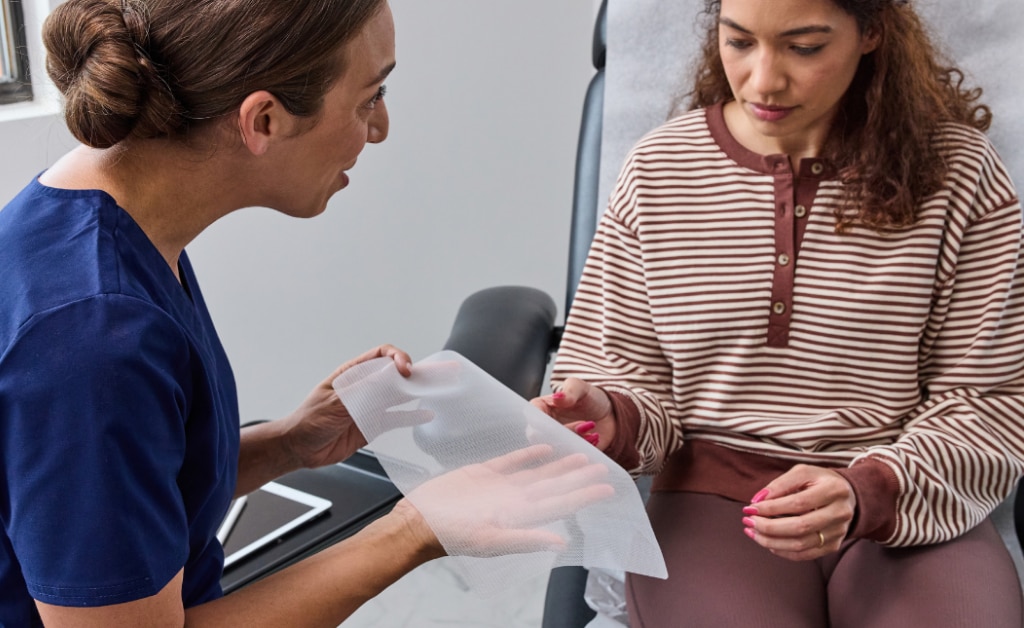
Being told to wait for hernia repair can feel like one more thing to juggle. Learn how BD® Phasix™ Mesh offers a different option.

Untitled design - 2
Untitled design - 1

Hernias are underdiagnosed in women1

Hernia symptoms in women are often subtle and mistaken for other medical issues, leaving many undiagnosed (or misdiagnosed) and potentially increasing the risk of complications.1,2 Yet even after diagnosis, women may still be advised to delay repair because of the possibility of a future pregnancy.3 

But women deserve care based on their health today, not what might happen tomorrow. Innovations like Phasix™ offer an absorbable repair designed for every stage of life, no matter what the future may bring.

Download our Doctor Discussion Guide

Hernia symptoms in women

So how do hernia symptoms typically show up in different life stages?

Hernias can develop or worsen during pregnancy due to the increased pressure on your abdominal wall.4 They may be missed because symptoms may overlap with normal pregnancy discomfort.5 Some of those symptoms can include:4,5

  • A soft bulge near the belly button or lower abdomen that appears or grows larger.
  • Discomfort when standing, coughing, or sneezing.
  • A bulge that seems to push outward during activity.
  • Pressure, aching, or pain around the belly button, pelvis, or groin.

Do you have any of these symptoms?

If you notice any of these signs, mention them to your OB/GYN. It's not always just 'normal stetching' due to pregnancy. Many hernias can safely be monitored during pregnancy and repaired after delivery.5

Download our Hernia Signs and Symptoms Guide — a checklist designed specifically for women experiencing possible hernia symptoms.

Download hernia symptoms checklist

Some women develop hernias after pregnancy and delivery. The abdominal wall can be under significant stress during that time, and a hernia may develop after delivery.3 Some of these symptoms can include:3

  • A bulge at or near the belly button that wasn't there before pregnancy or 'bumpiness' along your C-section scar.
  • A bulging 'outie' belly button.
  • Tenderness or pain.
  • A bulge that becomes more prominent during everyday activities like picking up your baby, laughing, coughing, sneezing, or exercising.
  • Abdominal separation (diastasis recti) that may be accompanied by a hernia.6

Do you have any of these symptoms?

If you're experiencing any of these symptoms, don't wait for your doctor to ask about them. Ask your OB or midwife specifically whether a hernia referral is appropriate.

Download our Hernia Signs and Symptoms Guide — a checklist designed specifically for women experiencing possible hernia symptoms.

Download hernia symptoms checklist

Hernias can affect women, whether or not pregnancy is a factor. For some, living with a hernia becomes part of everyday life, and they may put off seeking care for years. Others may be advised to wait, even when they feel ready to explore treatment options.

While many people associate hernias with a visible bulge, that doesn't always happen. Because hernias in women are often deeper and smaller, they may be more difficult to see. Instead of an obvious bulge, symptoms can be more subtle. Here are some other common signs to watch for:2

  • Discomfort or aching that increases with activity (coughing, laughing, or standing).
  • A feeling of pressure or heaviness in the lower abdomen, pelvis, or groin.1
  • Aching, sharp pains, or a burning sensation at the site of the hernia (pain that can be hard to explain and easy to dismiss).

Do you have any of these symptoms?

Hernias in women may be mistaken for gynecological issues, which can lead to delayed diagnosis and treatment.2 If something feels off, it's worth discussing with your doctor, including whether repair is an option.

Download our Hernia Signs and Symptoms Guide — a checklist designed specifically for women experiencing possible hernia symptoms.

Download hernia symptoms checklist

Common types of hernias in women

  • Untitled design - 2

    Groin hernia

    Inguinal


    This is the most common type among women, developing near the groin area, which can be missed easily because it may not produce a visible bulge.7,8

  • Untitled design - 4

    Belly button hernia

    Umbilical


    Umbilical hernias can form near the belly button and are common after pregnancy.7 A belly button that shifts from an innie to an outie may signal that a hernia has developed.9 If it becomes painful or grows quickly, seek medical care right away.5

  • Untitled design - 3

    Surgical hernia

    Incisional


    An incisional hernia can develop in the area of a previous surgical incision in the abdomen, such as a C-section scar.1

  • Untitled design - 2

    Femur hernia

    Femoral


    Occuring in the upper thigh (near the groin), femoral hernias are more common in women than men because women typically have a wider pelvis. They can carry a higher risk of strangulation (when the hernia gets stuck and loses blood supply) compared to other hernia types, leading to serious complications if not addressed.7

Phasix Mesh

You have options for hernia care with Phasix™

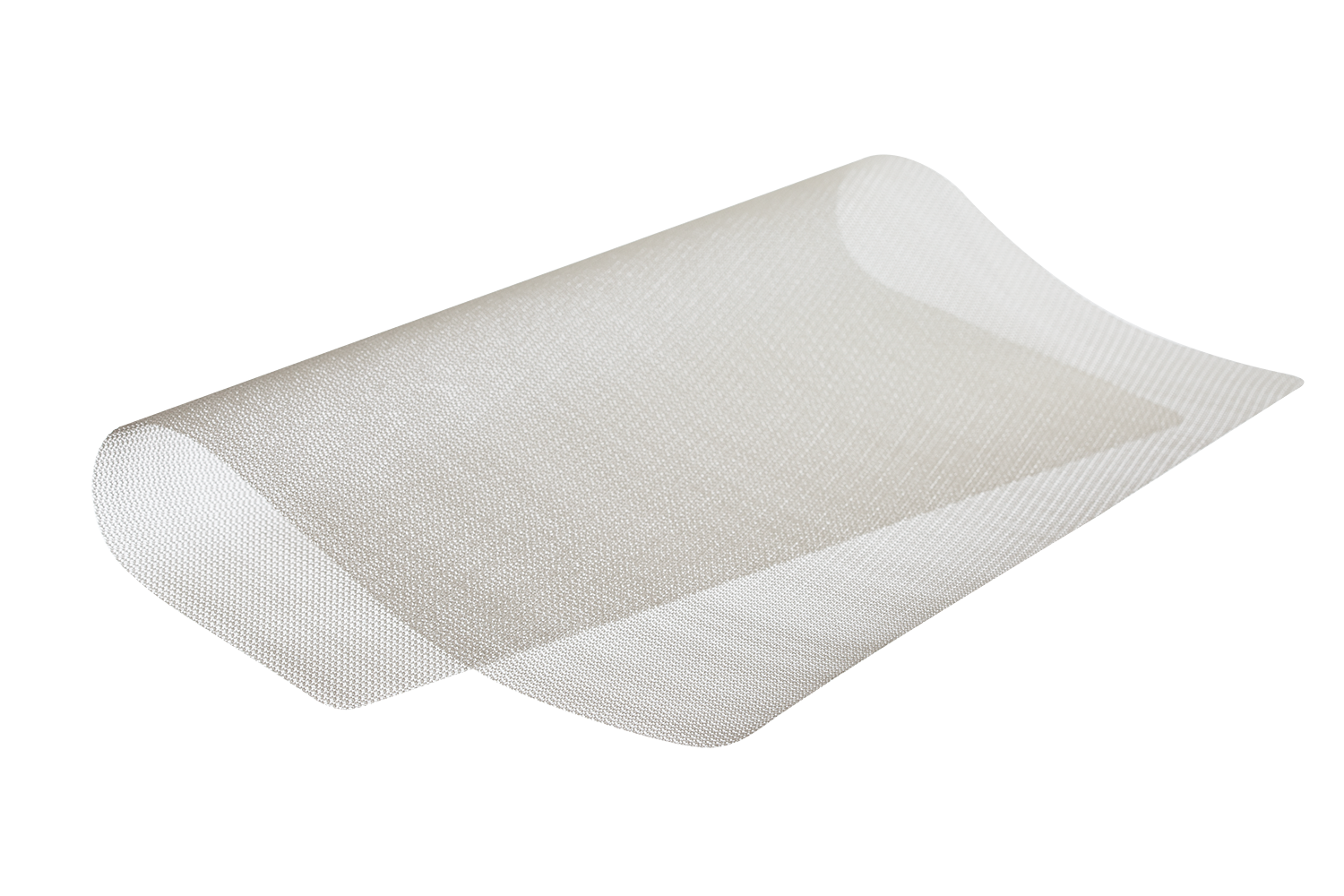
While mesh is often used in hernia repair to strengthen the weakened tissue, some women may prefer an option that doesn't involve a permanent mesh, especially if they are considering future pregnancy. Phasix™ Mesh offers another option—it's fully absorbable.

With Phasix™, the mesh is designed to gradually absorb into the body over about 18 months. As your body rebuilds its own tissue, Phasix™ Mesh helps to create a strong repair. No permanent material is left behind to stand between you and your future plans.

Learn how Phasix™ works

Phasix™ Mesh offers another option — so you can carry on with what matters

  • Phasix Mesh

    No permanent implant

    Phasix™ is designed to enable organized collagen to grow into it, allowing for tissue regeneration. That means strengthening your own tissue for a durable repair, not a permanent implant.

  • Care

    A strong, long-term repair

    Phasix™ is absorbed by your body over approximately 18 months. Although it goes away, it is designed to provide long-term support and is shown to have low rates of the hernia recurring.

  • Microscope

    Backed by clinical data

    Phasix™ Mesh is the most clinically studied bioabsorbable mesh with over 100 cliincal studies and more than 430,000 implants worldwide.

Ready to talk to a hernia specialist?

Use our Surgeon Finder tool to find a surgeon near you who can answer any questions you may have.


Find a local hernia surgeon

A real patient story

Meet Susana: A Phasix™ patient and new mom

A quick check

Is Phasix™ an option for me? 

Take this quick survey to help identify your hernia treatment goals before talking with your doctor. Please note: this questionnaire is for informational purposes only and does not provide medical advice or recommendations.

You have choices for hernia care

If you have a hernia, you have an option with Phasix™ Mesh 

Whether you're exploring hernia repair for comfort, confidence, or future planning — you have options you can discuss with your doctor. And remember:

  • Don't wait to experience severe symptoms to seek evaluation
  • A hernia won't go away on its own and can worsen over time
  • Bioabsorbable mesh options now exist — so you don't have to wait until after having children to repair a hernia
  • A second opinion is always your right
  • You can ask your surgeon specifically about Phasix™ by name
  • Prepare beforehand

  • At your appointment

    • Ask about repair options, including bioabsorbable mesh
    • Ask specifically: 'I've been reading about Phasix™ — is that an option for my repair?'
  • If you're not satisfied

    • A second opinion is always your right
    • Look for a surgeon who specializes in hernia repair
    • Write your questions down so nothing gets missed

Prefer a printable overview?

Download our Phasix™ Patient Brochure — a plain-language overview of Phasix™ Mesh to help you prepare for a conversation with your surgeon.

Download brochure

You've done the research. Now find care that's right for you.

Important Safety Information

Your doctor will give you a patient implant card for the Phasix™ Mesh. Please keep this card somewhere safe and easy to find. The mesh implant information may be helpful for your future medical care.

INDICATIONS: Phasix™ Mesh is used to reinforce (support) soft tissue, where weakness exists, in patients having surgery on their belly, to change the way their body looks or works, or for rebuilding their tissue (otherwise known as abdominal, plastic, and reconstructive surgery). For example, Phasix™ Mesh could be used for ventral (near your belly) hernia repair or to help support your surgical wound. 

DEVICE MODELS:1190616, 1190820, 1190830, 1190845, 1191025, 1191040, 1191530, 1192030, 1192040, 1193045, 1190200, 1190300, 1190400, 1190500, 1190808, 1190816, 1191010, 1191020, 1191525, 1192020, 1192540, 1193030, 1193535, 1194040, 1194545, 1190011, 1190100, 1195050.

IMPLANT MATERIAL: Phasix™ Mesh is made of poly-4-hydroxybutyrate (100%), that goes away slowly over time and is made from natural materials.

PURPOSE: Phasix™ Mesh is a sterile (germ-free) implant. It is a mesh implant used to fix soft tissue defects, like hernias or damage to the soft parts of your belly from trauma, illness, or prior surgeries, in adults. 

WARNINGS AND PRECAUTIONS: The safety and usefulness of Phasix™ Mesh has not been evaluated in:

  • Pregnant or breastfeeding women
  • Infants or children
  • Neurologic procedures or tissues (brain, spinal cord, and nerves)
  • Cardiovascular tissue (heart or blood vessels)
  • Breast reconstructive surgeries

The safety and effectiveness of Phasix™ Mesh in the proximity of (near) existing or excised (removed) cancer have not been established.

POTENTIAL ADVERSE REACTIONS (UNFAVORABLE):

  1. Adhesions: Adhesions form when internal scar tissue joins tissues together that are not usually joined. Adhesions to the bowel (the intestine) may lead to bowel obstruction (blockage). This can cause the need for multiple invasive procedures, prolonged hospitalization, long-term nursing care, intravenous nutrition, and/or staged surgery to fix the bowel.
  2. Allergic reaction: If you are allergic to tetracycline hydrochloride or kanamycin sulfate (antibiotics used to treat bacterial infections), please tell your doctor. An allergic reaction to the mesh may be difficult to diagnose after surgery due to distracting pain, fever, and use of sedatives and narcotics. These symptoms, if not recognized as an allergic reaction, may result in additional diagnostic and invasive procedures, which may include the need for reoperation or explanting (removing) the mesh.
  3. Mesh erosion: Erosion is the mesh rubbing against nearby soft tissue, and may result in the need for multiple invasive procedures, prolonged hospitalization, long-term nursing care, intravenous nutrition, and/or staged surgery to fix the bowel (or another organ). This may be followed by a hernia repair.
  4. Fistula formation: A fistula is an abnormal connection or passageway between an organ, vessel, or tissue. Fistula formation may result in the need for multiple invasive procedures, prolonged hospitalization, long-term nursing care, intravenous nutrition, and/or staged surgery to address the bowel (or another organ). This may be followed by a hernia repair.
  5. Hematoma: An accumulation of blood.
  6. Hemorrhage: Loss of blood.
  7. Surgical site infection: An infection localized at the surgical site may require oral or intravenous antibiotics and/or may result in additional diagnostic and invasive procedures, including the chance for reoperation and/or mesh removal.
  8. Inflammation: Swelling, redness, heat, and/or pain produced in an area of your surgery.
  9. Mesh extrusion: Mesh poking through the skin.
  10. Mesh migration: Mesh moves from where your doctor placed it during surgery.
  11. Pain: There is a possibility of pain which may affect quality of life and everyday functions, such as driving, walking up the stairs, and/or dressing oneself. Pain may continue and may require a second operation to remove the mesh.
  12. Recurrence: Return or reappearance of your hernia or soft tissue defect.
  13. Reoperation: If you require another operation in your belly before the Phasix™ Mesh has gone away, the mesh may need to be removed and may make that operation last longer.
  14. Seroma: An accumulation and pocket of clear fluid. This may result in unscheduled drainage or reoperation.
  15. Wound dehiscence: Your skin breaks open along the line where your belly was sewn closed after surgery. This may lead to exposure of the mesh to the open air, which may result in additional complications including an unscheduled reoperation.

true