
BD, Dharmais Hospital Strengthen Efforts to Expand Cervical Cancer Screening in Indonesia
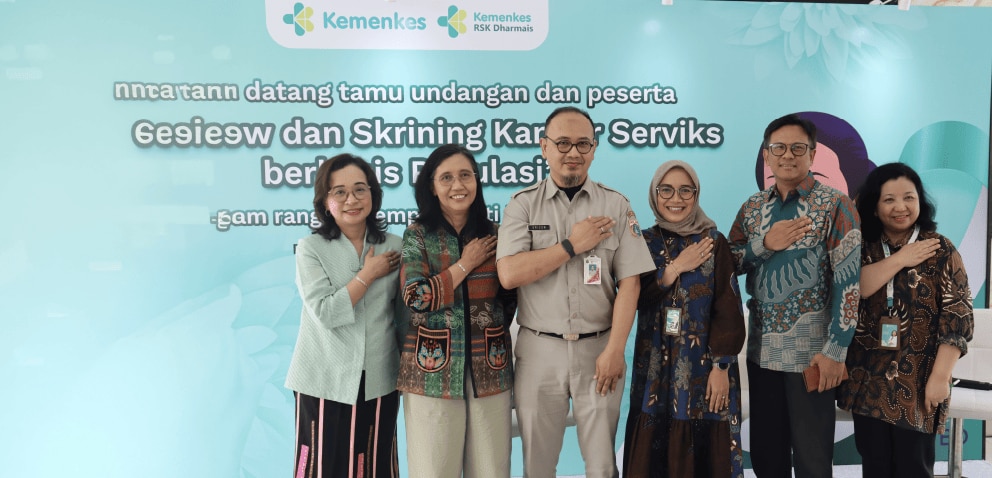
Supporting Indonesia’s goal to eliminate cervical cancer by 2030 through HPV-DNA self-collection technology
Jakarta, 22 April 2025 – BD (Becton, Dickinson and Company), a leading global medical technology company, today marks Kartini Day by launching an initiative focused on advancing early cervical cancer detection. This effort pays tribute to RA Kartini, a prominent advocate for women's rights and education in Indonesia.
Inspired by Kartini’s commitment to women’s empowerment, the initiative aims to improve access to healthcare and support communities in the fight against cervical cancer by introducing an innovative HPV-DNA dry self-collection approach. Developed by BD to make screening more accessible, this effort—carried out in collaboration with Dharmais National Cancer Center Hospital under the Ministry of Health—enhances women's access to life-saving screenings and reinforces BD’s dedication to improving healthcare accessibility.
Dr. Raden Soeko Werdi Nindito Daroekoesoemo, MARS, President Director of Dharmais National Cancer Center Hospital, emphasized the importance of early detection, stating: "Many women remain unaware of the risks posed by human papillomavirus (HPV) and the crucial role of early detection in preventing cervical cancer. By integrating self-collection methods for HPV DNA screening tests, we can make cervical cancer prevention more accessible, ensuring more women receive timely and life-saving interventions. This initiative brings us closer to reducing the burden of cervical cancer in Indonesia and empowers women to take charge of their health.”
According to data from the Ministry of Health, cervical cancer is the second most common cancer among Indonesian women, with 36,633 new cases reported in 2021. Studies show that 95% of cases are linked to HPV infection, yet screening rates remain low due to discomfort, lack of awareness, and limited access.
Recognizing these challenges, BD is working to make early detection more accessible through self-collection technology that allows women to perform screenings in a more convenient manner. Already adopted in countries such as the Netherlands, Denmark and Sweden, this self-collection method has helped these nations achieve World Health Organization screening targets.
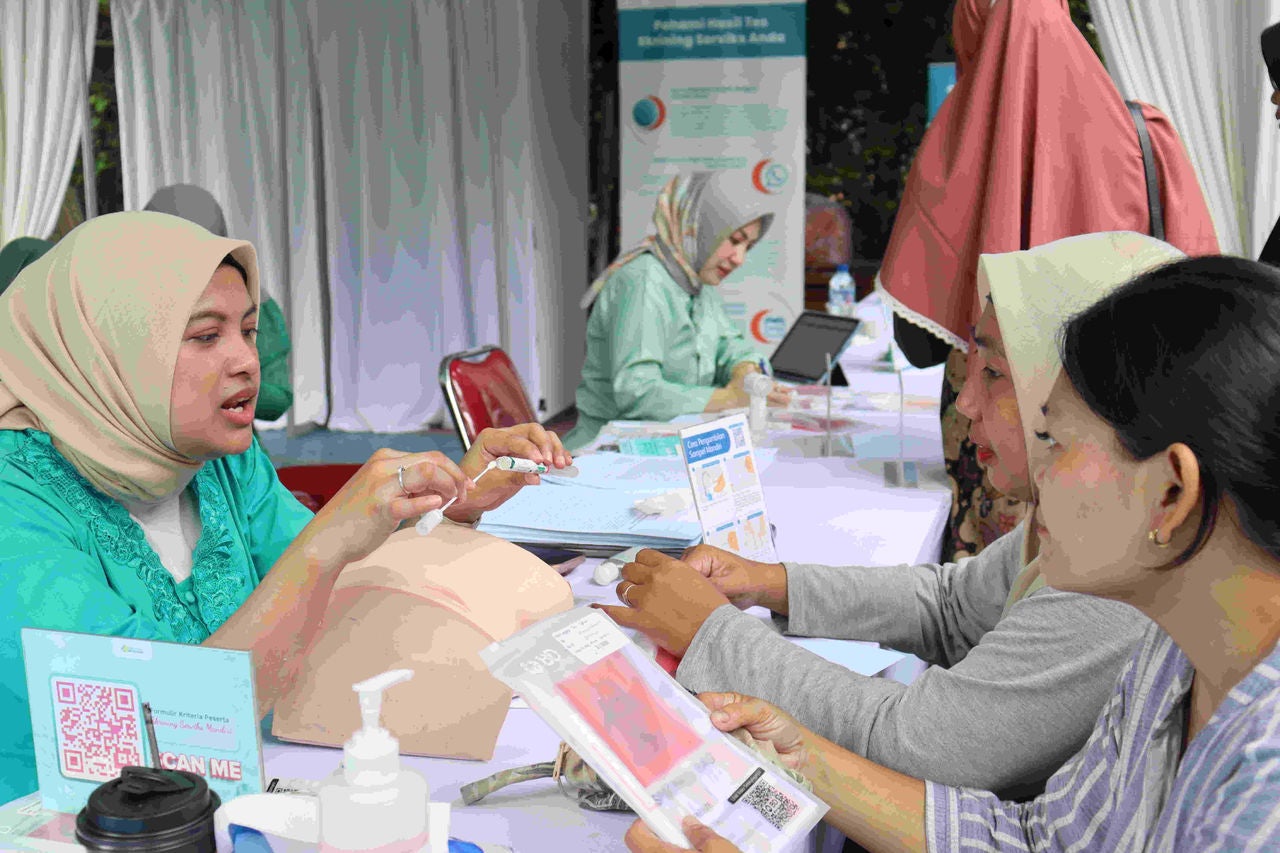
The Kartini Day event in West Jakarta reflected the spirit of women’s empowerment by providing population-based screenings, interactive discussions with medical experts, and educational sessions on the importance of HPV screening and early detection. Participants had the opportunity to explore the benefits of HPV-DNA dry self-collection, which offers an easier and more comfortable alternative to traditional testing methods.
“We are pleased to work alongside the Indonesian Ministry of Health, state and private hospitals, and global medical experts to bring cervical cancer prevention closer to the community. This initiative reflects our dedication to supporting Indonesia’s goal of eliminating cervical cancer by 2030,” said Hari Nurcahyo, Country Business Leader, BD Indonesia.
A recent BD survey highlighted significant gaps in awareness and accessibility. While 92% of Indonesian women understand that cervical cancer is preventable with regular screenings, many delay their gynecologist visits, with 70% citing fear or discomfort. Additionally, 95% remain unaware that Pap tests are not the most accurate method for detecting cervical cancer. The survey also revealed that three-quarters of Indonesian women prefer a more comfortable screening option, and 81% want the choice of self-collection at home, underscoring the urgency for alternative screening solutions.
BD Indonesia is working with Dharmais National Cancer Center Hospital to improve national screening efforts, providing HPV-DNA dry self-collection tests with extended genotyping and automated technology, including full pre-analytical instrument automation. Extended genotyping provides a more detailed and specific analysis of a patient’s risk for developing cervical precancer and cancer compared to a more general, grouped test that identifies high-risk cases. Dharmais Hospital ensures that women who test positive receive timely medical attention and appropriate treatment, integrating early detection with comprehensive care to enhance patient outcomes.
To further expand access, BD Indonesia, together with the Ministry of Health and Dharmais Hospital, aims to screen 8,000 women nationwide, supporting Indonesia’s initiative to scale up screening uptake and eliminate cervical cancer by 2030.
"By improving access to innovative screening solutions and increasing awareness of HPV-DNA dry self-collection, we aim to empower more women to take proactive steps in safeguarding their health. Through innovation and collaboration, we can work toward a cervical-cancer free future for Indonesian women," Nurcahyo emphasized.

Click here for infographics information on cervical cancer screening in Indonesia!
