

What drew you to join the BD Clinical team in Canada? What do you find most meaningful about being a part of this team?
I’d worked alongside BD Clinical Specialists before and was always impressed by their knowledge and the quality of their clinical training. When I reached a point in my career where I wanted to dedicate more of myself to vascular access and patient safety, it felt natural to move into a role where I could influence best practices from the very beginning through the training clinicians receive.
Every time I train a clinician to provide evidence-based, patient-centered care, I feel a deep sense of fulfillment, knowing that they will go on to care for hundreds of patients. It's truly rewarding to think that my guidance can make a positive difference in those patients' experiences.
What are the most common skills or techniques clinicians want to improve when it comes to vascular access?
Since clinicians have limited training in vascular access, they are often surprised to realize how vital vessel health and preservation are for a person’s long-term well-being—and how greatly they can affect a patient’s future outcomes.
They often ask: “How can we provide vascular access in a safer, more effective way and stop causing harm through repeated attempts?” Clinicians want to elevate their practice—they’re eager to learn, expand their skill set, and deliver better care for their patients.
Your team partners with hospitals across the country to support vascular access practice. What does that collaboration look like in real clinical settings?
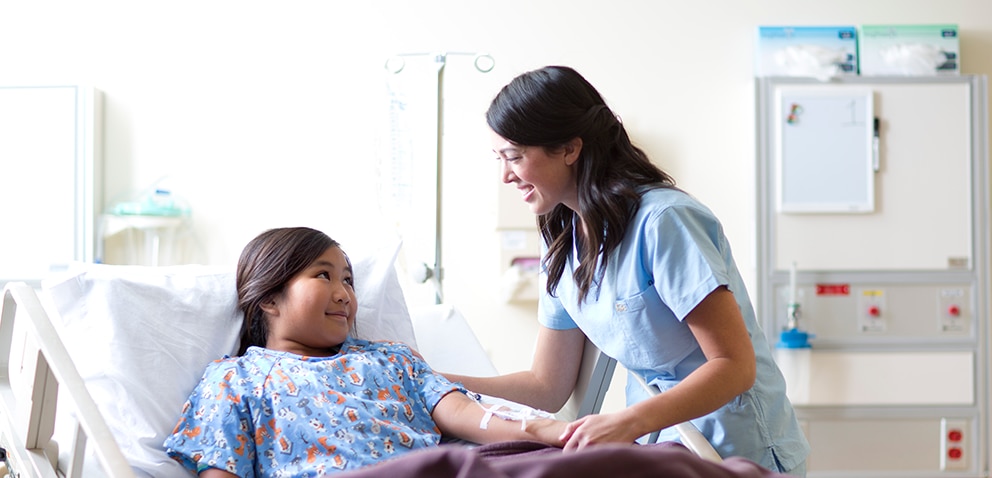
This means standing alongside clinicians in their own clinical environment to help them elevate the care they provide, while tailoring solutions to their hospital’s specific needs. No two sites are the same, and an approach that works well at one may not be effective elsewhere. We work alongside clinicians, providing hands-on training and walking them through procedures when they rely on us for support, guidance, and clarity on key steps.
Vascular access is constantly evolving. How does your team help clinicians stay current with new tools, techniques, or best practices?
We prioritize staying closely connected with clinicians and providing them with relevant, timely information that supports their professional development. Whether it’s upcoming conferences, virtual webinars, new journal articles, or emerging clinical insights, we ensure they have access to the resources they need to grow and stay current.
Are there any recent initiatives or programs your team has led that you’re especially proud of?
Our team is made up of exceptional individuals who make a meaningful impact on clinicians every single day. I’m especially proud to be part of a group that genuinely values giving back. One of the best examples of this is our involvement in the BD Volunteer Service Trip (VST) program, which gives associates the opportunity to participate in meaningful service activities in some of the most disadvantaged places in the world.
For the past three years, including this one, someone from our team has taken part in a VST. In 2023, my colleague Sarah Smees traveled to Eswatini, where she partnered with Heart to Heart International to provide in-person training aimed at improving the quality of non-communicable disease care for local health care providers. In 2024, I had the opportunity to participate myself, joining Project Hope in North Macedonia to help train hospital staff on advanced vascular access for neonates. And this year, another colleague will be returning to North Macedonia to continue building on that work.