true
Icon to close the modal
Contact Us
Sales
Modal Close Icon
Icon to close thank you modal
Thank you for contacting our sales team!
A sales representive will get in touch with you shortly.
Customer Care
Phone Icon
0800 917 8776
BDUK_customerservice@bd.com

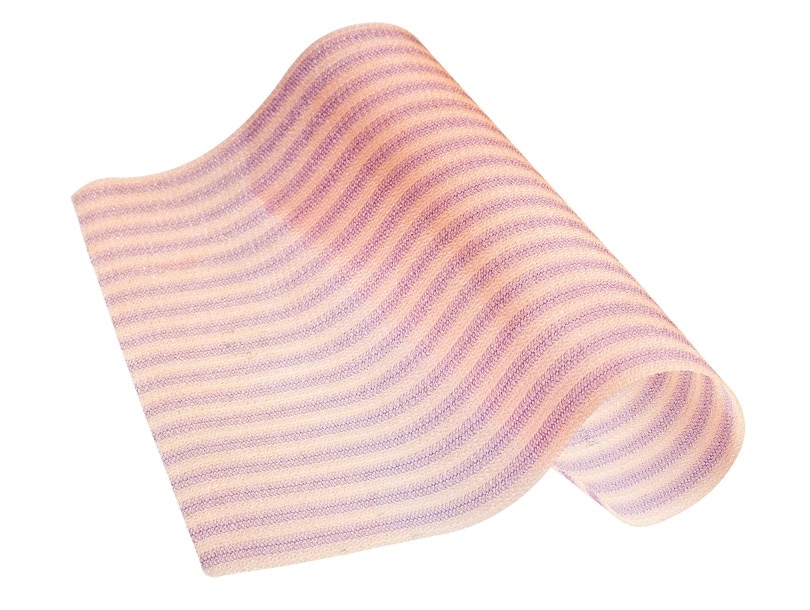
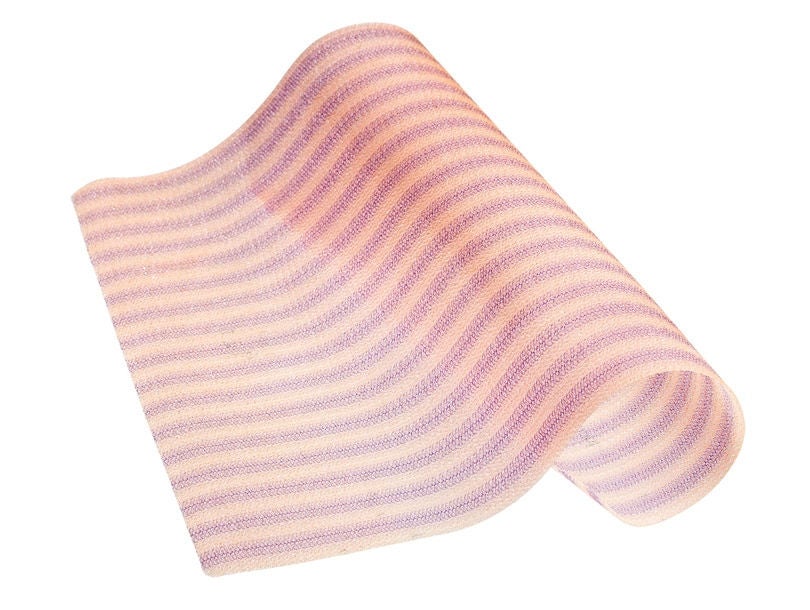
Phasix™ Mesh  

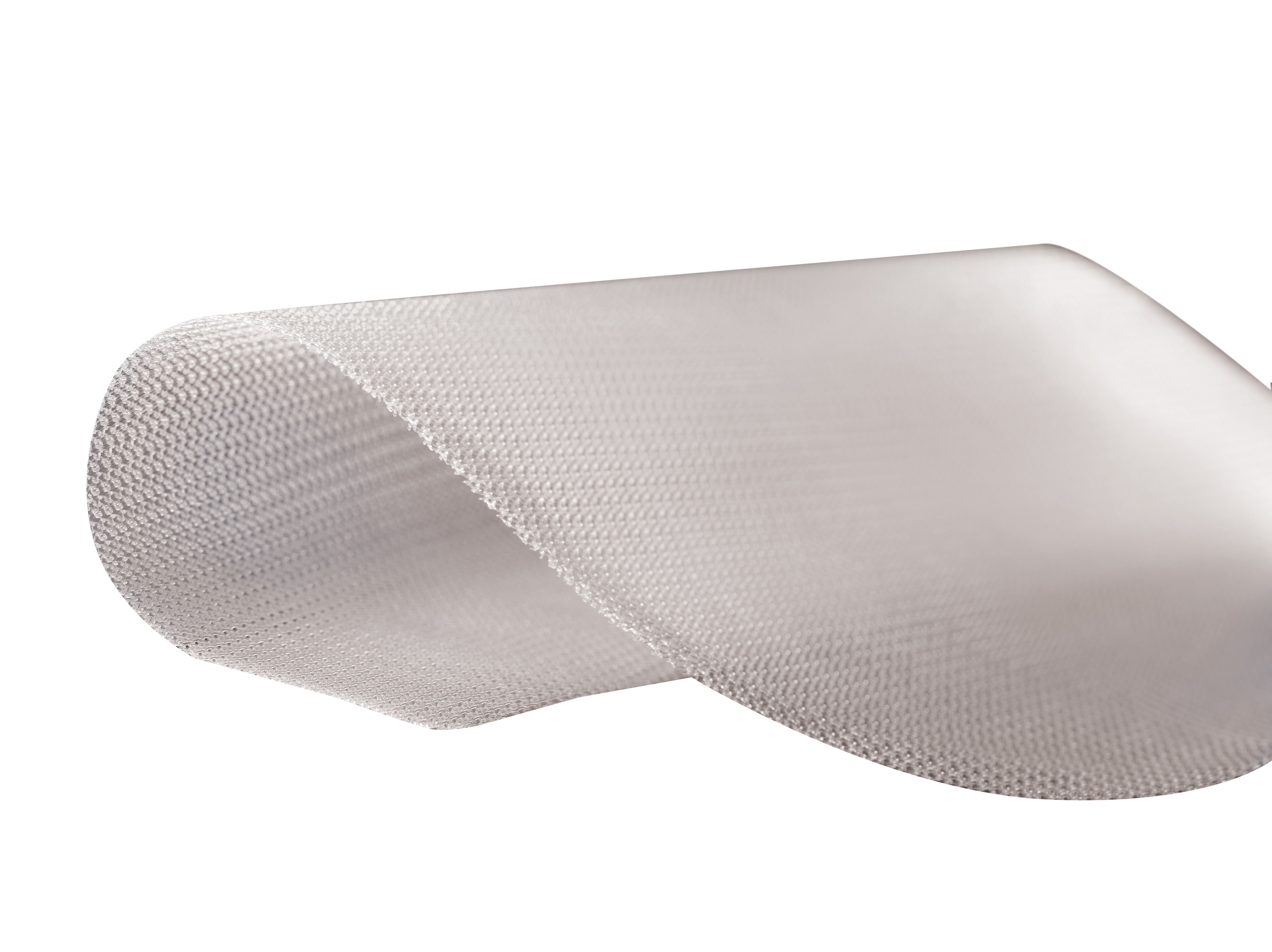
Composed of material derived from a fermentation process, Poly-4-hydroxybutyrate (P4HB), Phasix™ Mesh provides critical strength during the initial healing phase.

Contact Us
Phasix™ Mesh
Loading

Overview

Designed to enable constructive and functional tissue remodeling1

Phasix™ Mesh provides a fully resorbable monofilament scaffold for rapid tissue incorporation that has been designed to allow for the repair strength of a synthetic mesh along with the remodeling characteristics of a biologic graft.1

true
Features and Benefits

THE NEXT PHASE IN HERNIA REPAIR

Repairs1
The open monofilament mesh scaffold provides early integration and repair strength*

Remodels1
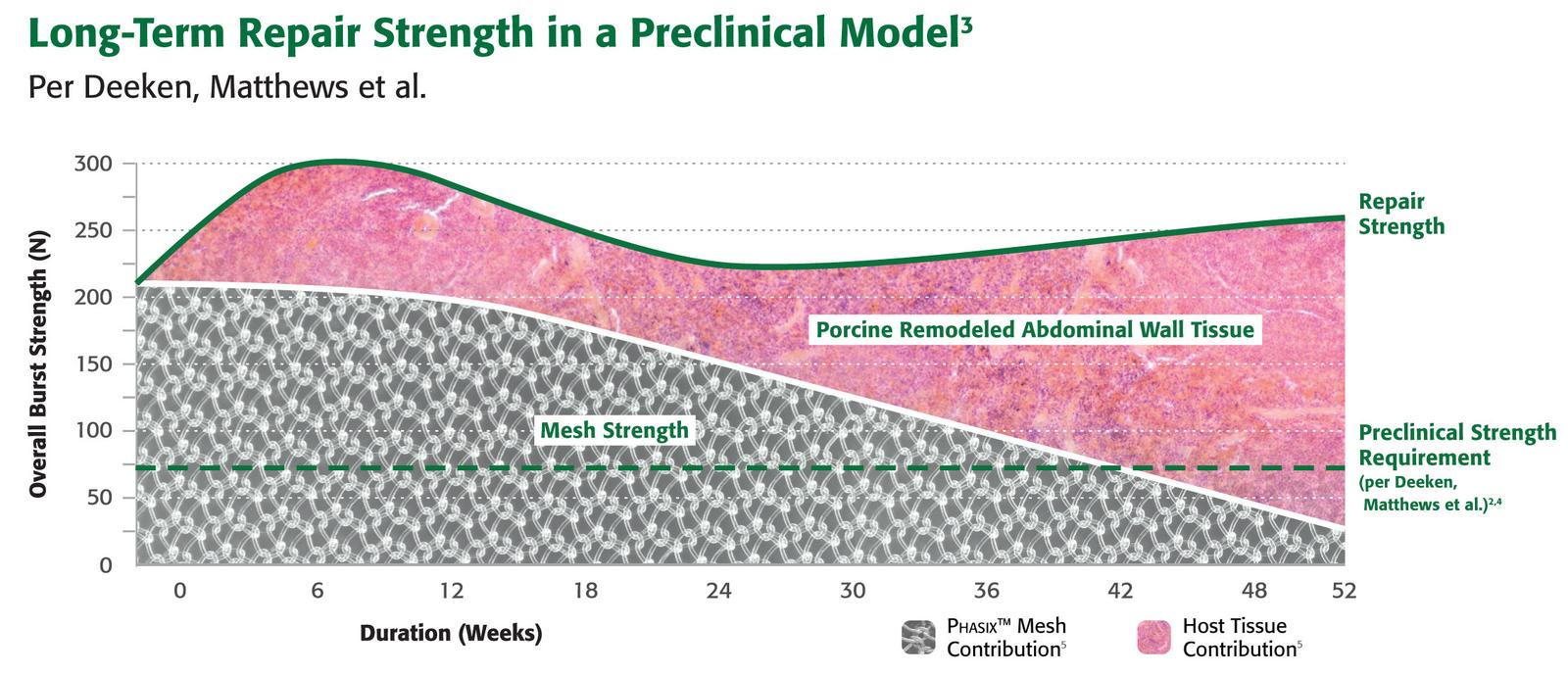
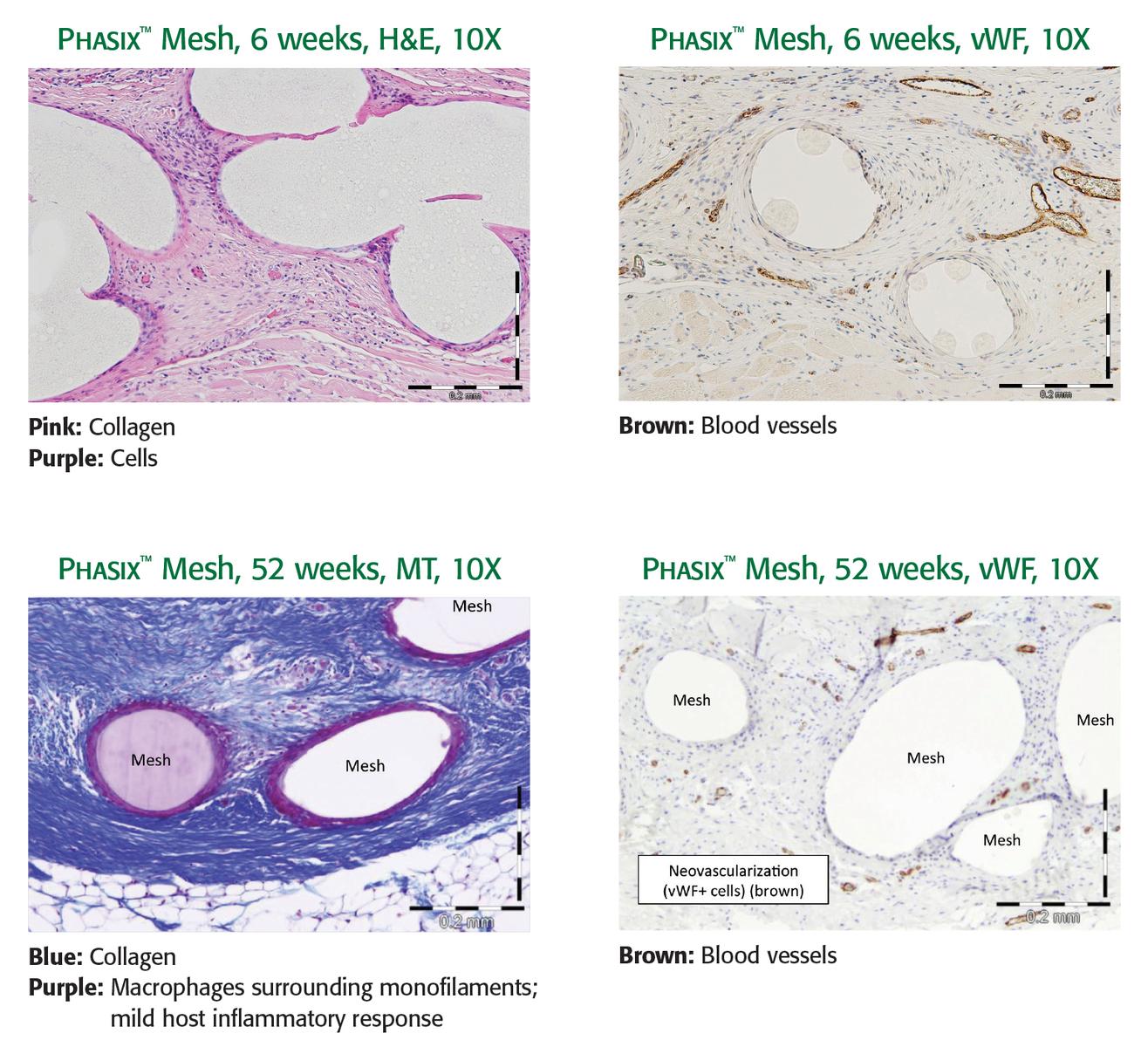
Preclinical testing confirms vascular integration and incorporation, with abundant mature collagen at 52 weeks. Gradually transfers load to native tissue over time*

Restores1
As Phasix™ Mesh is remodeled, it is replaced with functional tissue, ultimately resulting in a strong repair at one year*

WHAT IS PHASIX™ MESH?

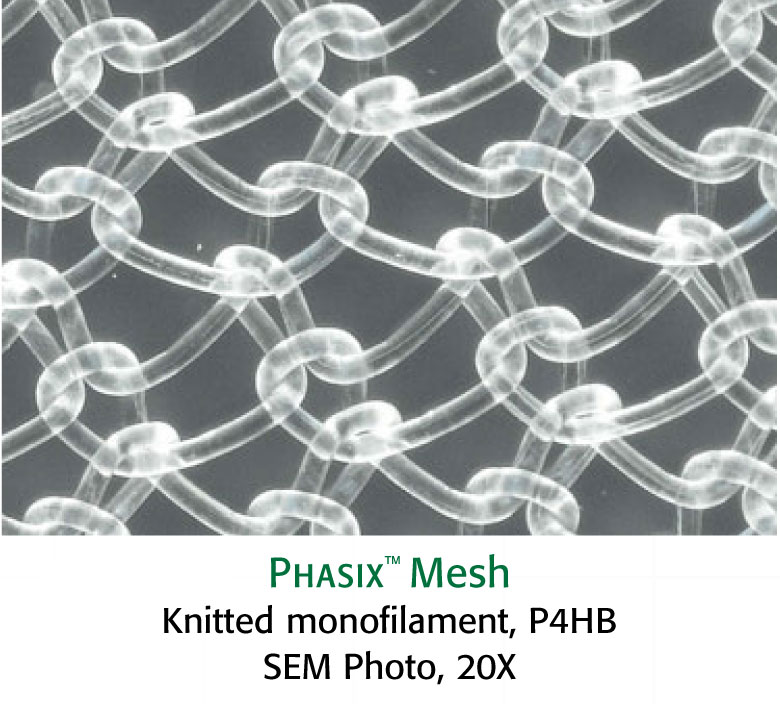
Phasix™ Mesh is a knitted monofilament mesh scaffold using Poly-4-hydroxybutyrate (P4HB), a biologically derived, fully resorbable material.

  • Monomer form (4HB) is a naturally occurring human metabolite found in the brain, heart, liver, kidney, and muscle
  • Predictably resorbs through hydrolysis, as P4HB metabolizes into biocompatible byproducts (CO2 and H2O)4

MATERIAL STRUCTURE1

Material structure can impact host response.5

Consider these features of monofilament versus multifilament structures:

  • Monofilament mesh design allows for a prompt fibroblastic response through the open interstices of the mesh1
  • Material designs with complex architecture can have greater surface area and niches that bacteria can use as a haven from tissue ingrowth, neovascularization, antibiotic treatment, and host inflammatory response6
  • It has been reported that the surface area of multifilament material is 157% higher than monofilament materials6

TISSUE INCORPORATION1

Study objective: Evaluate material strength and histopathology of Phasix™ Mesh.

Study design: A 3-centimeter round defect was created in the ventral abdominal wall of 25 Yucatan mini-pigs (average weight 38 kg). Phasix™ Mesh was fixated directly over the defect with SorbaFix™ resorbable tacks. Ball burst testing and histopathology were conducted at 6, 12, 26, and 52 weeks.

Results: Early tissue ingrowth, vascular integration, and incorporation of Phasix™ Mesh into the ventral abdominal wall, plus abundant mature collagen formed around the remaining fibers at 52 weeks.

CLINICAL


    Prospective Multi-institutional Evaluation of Phasix™ Mesh in High Risk Ventral and Incisional Hernia Repairs: 18 month follow-up(Click on image to expand)

    Related Products

    Products & Accessories
    RELATED PRODUCTS NOT AVAILABLE

    Related Products

    EIFUs
    Resources

    FAQs

    The Basics of Phasix™ Mesh

    Phasix™ Mesh provides a fully resorbable monofilament scaffold for rapid tissue incorporation that has been designed to allow for the repair strength of a synthetic mesh along with the remodeling characteristics of a biologic graft.

    Composed of biologically-derived material, Poly-4-hydroxybutyrate (P4HB), Phasix™ Mesh provides critical strength during the initial healing phase with rapid tissue ingrowth and vascularization through its open-pore monofilament structure. Monomer form (4HB) is a naturally occurring human metabolite found in the brain, heart, liver, kidney, and muscle and P4HB scaffold has been used clinically for hernia repair for more than 5 years.

    Phasix™ Mesh gradually and predictably degrades within 12 to 18 months via hydrolysis leaving behind a durable, functional repair with over 3x the strength of the native abdominal wall.

    Phasix™ Mesh has not been shown to break down in the presence of bacteria - maintaining 100% of its strength at 56 days - unlike biologic grafts which demonstrate accelerated degradation in the presence of bacteria. Additionally, Phasix™ Mesh offers the benefits of rapid tissue incorporation with organized and functional collagen at the repair site, while offering high repair strength through the critical healing phase.

    The Basics of Phasix™ ST Mesh 

    Phasix™ ST Mesh combines two market-leading technologies into one product: monofilament resorbable Phasix™ Mesh and a proven hydrogel barrier based on Sepra® technology. It handles, sutures and fixates like a synthetic mesh, while facilitating trocar deployment during laparoscopic placement.

    Phasix™ ST Mesh combines Phasix™ Mesh and a proven hydrogel barrier based on Sepra® technology into one product. While the monofilament mesh supports functional healing and a strong repair, the hydrogel barrier is designed to minimize tissue attachment to the visceral side of the mesh for intraabdominal placement.

    Phasix™ ST Mesh is a biologically derived scaffold with a hydrogel barrier for intraabdominal placement. It has been designed to provide the repair strength of a synthetic mesh and the remodeling characteristics of a biologic. Additionally, its longitudinal stripes aid with orientation and visibility during placement.

    The ST hydrogel barrier is designed to minimize the risk of tissue attachment, resorbs within 30 days, and has over 10 years of clinical application.

    Phasix™ Mesh and Phasix™ ST Mesh: Results and Case Studies


    More than 10 clinical studies with more than 950 patients studied
    Phasix Clinical Compendium

    References


    For more information, please contact your local sales rep to learn more

    2. Internal market research, data on file, 2015.

    3. Liang MK, Li LT, Nguyen MT, Berger RL, Hicks SC, Kao LS. Abdominal reoperation and mesh explantation following open ventral hernia repair with mesh. The American Journal of Surgery. 208.4(2014):670–76.

    4. Itani KM, et al. Prospective study of single-stage repair of contaminated hernias using a biologic porcine tissue matrix: the RICH Study. Surgery. 2012;152(3):498–505.

    5. Annor AH, Tang ME, Pui CL, Ebersole GC, Frisella MM, Matthews BD, Deeken CR. Effect of enzymatic degradation on the mechanical properties of biological scaffold materials. Surgical Endoscopy. 26.10(2012):2767–778. 6. Harth KC, et al. Effect of surgical wound classification on biologic graft performance in complex hernia repair: an experimental study. Surgery. 2013;153(4):481–492

    BD-46830

    true
    References
    1. Preclinical data on file. Results may not correlate to clinical performance in humans.

    2. Deeken CR, Abdo MS, Frisella MM, Matthews BD. “Physicomechanical evaluation of absorbable and nonabsorbable barrier composite meshes for laparoscopic ventral hernia repair.” Surgical Endoscopy 25.5 (2010): 1541-552.

    3. Estimated from Standard Curve in (Martin DP, et al. “Characterizationof poly-4-hydroxybutyrate mesh for hernia repair applications.” Journal of Surgical Research. 2013; (184): 766-773

    4. Martin, DP. et al. “ Medical applications of poly-4-hydroxybutyrate:a strong flexible absorbable biomaterial. Biochemical Engineering Journal. 2002; December 9

    5. Amid PK, Shulman AG, Lichtenstein IL, Hakaha M. Biomaterials for Abdominal Wall Hernia Surgery and Principles of their Applications. Langenbecks Archive Chir. 1994; 379(3): 168-71.

    6. Halaweish I, Harth K, Broome AM, Voskerician G, Jacobs MR, Rosen M. Novel In Vitro Model for Assessing Susceptibility of Synthetic Hernia Repair Meshes to Staphylococcus aureus Infection Using Green Fluorescent Protein-Labeled Bacteria and Modern Imaging Techniques. J Surg Infect (Larchmt). 2010; Oct1(5): 449-54.

    Disclaimers

    • Not all products, services, claims or features of products may be available or valid in your local area. Please check with your local BD representative.

    • Please consult product labels and instructions for use for indications, contradictions, hazards, warnings, and precautions.

    BD-113491 (06/23)

    true
    Phasix™ Mesh BD Phasix™ Mesh

    THE NEXT PHASE IN HERNIA REPAIR

    ,

    Repairs1
    The open monofilament mesh scaffold provides early integration and repair strength*

    Remodels1
    Preclinical testing confirms vascular integration and incorporation, with abundant mature collagen at 52 weeks. Gradually transfers load to native tissue over time*

    Restores1
    As Phasix™ Mesh is remodeled, it is replaced with functional tissue, ultimately resulting in a strong repair at one year*

    ,

    WHAT IS PHASIX™ MESH?

    ,

    Phasix™ Mesh is a knitted monofilament mesh scaffold using Poly-4-hydroxybutyrate (P4HB), a biologically derived, fully resorbable material.

    • Monomer form (4HB) is a naturally occurring human metabolite found in the brain, heart, liver, kidney, and muscle
    • Predictably resorbs through hydrolysis, as P4HB metabolizes into biocompatible byproducts (CO2 and H2O)4
    ,

    MATERIAL STRUCTURE1

    ,

    Material structure can impact host response.5

    Consider these features of monofilament versus multifilament structures:

    • Monofilament mesh design allows for a prompt fibroblastic response through the open interstices of the mesh1
    • Material designs with complex architecture can have greater surface area and niches that bacteria can use as a haven from tissue ingrowth, neovascularization, antibiotic treatment, and host inflammatory response6
    • It has been reported that the surface area of multifilament material is 157% higher than monofilament materials6
    ,

    TISSUE INCORPORATION1

    ,

    Study objective: Evaluate material strength and histopathology of Phasix™ Mesh.

    Study design: A 3-centimeter round defect was created in the ventral abdominal wall of 25 Yucatan mini-pigs (average weight 38 kg). Phasix™ Mesh was fixated directly over the defect with SorbaFix™ resorbable tacks. Ball burst testing and histopathology were conducted at 6, 12, 26, and 52 weeks.

    Results: Early tissue ingrowth, vascular integration, and incorporation of Phasix™ Mesh into the ventral abdominal wall, plus abundant mature collagen formed around the remaining fibers at 52 weeks.

    ,

    CLINICAL


      ,

      Prospective Multi-institutional Evaluation of Phasix™ Mesh in High Risk Ventral and Incisional Hernia Repairs: 18 month follow-up(Click on image to expand)

      /content/dam/bd-assets/bd-com/en-us/logos/bd/header-bd-logo.svg

      Composed of material derived from a fermentation process, Poly-4-hydroxybutyrate (P4HB), Phasix™ Mesh provides critical strength during the initial healing phase.

      phasix mesh (720 AMS), ventral hernia repair (2,900 AMS)