true
Icon to close the modal
Contact Us
Sales
Modal Close Icon
Icon to close thank you modal
Thank you for contacting our sales team!
A sales representive will get in touch with you shortly.
Customer Care
Phone Icon
0800 917 8776
BDUK_customerservice@bd.com

Bard® Mesh Pre-shaped

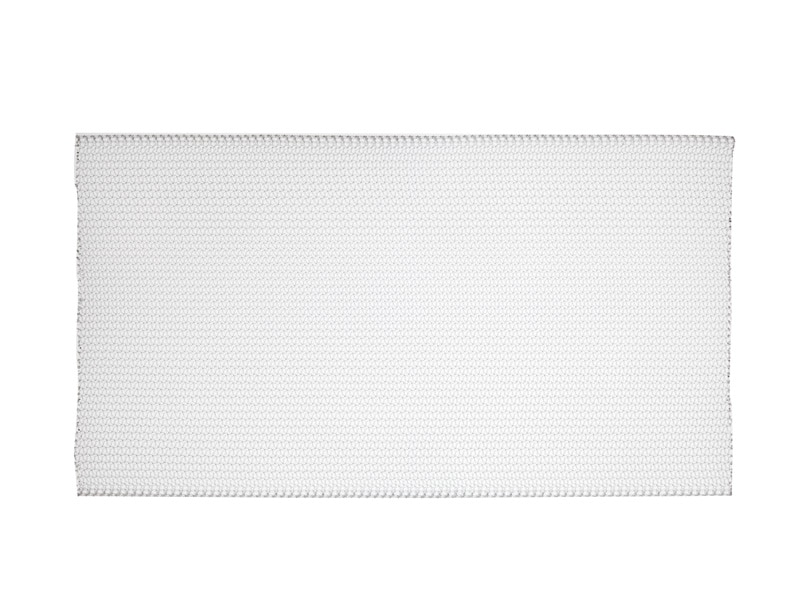
Monofilament polypropylene mesh for use in inguinal hernia repair.

Contact Us
Bard-Mesh-PreShaped
Loading
Overview

The Gold Standard, Monofilament, Polypropylene Mesh

With more than 50 years of clinical experience, Bard® Mesh Pre-Shaped is the Gold Standard product to be used in a "tension-free" hernia repair technique. Bard® Mesh Pre-Shaped reinforces the weakened area, allowing for tissue ingrowth and resiliency. Bard® Mesh Pre-Shaped can be tailored preoperatively and customised to any unique situation.

true
Features and Benefits

More than 50 years of clinical experience

Can be tailored and trimmed to address surgeon needs

Available in four convenient sizes

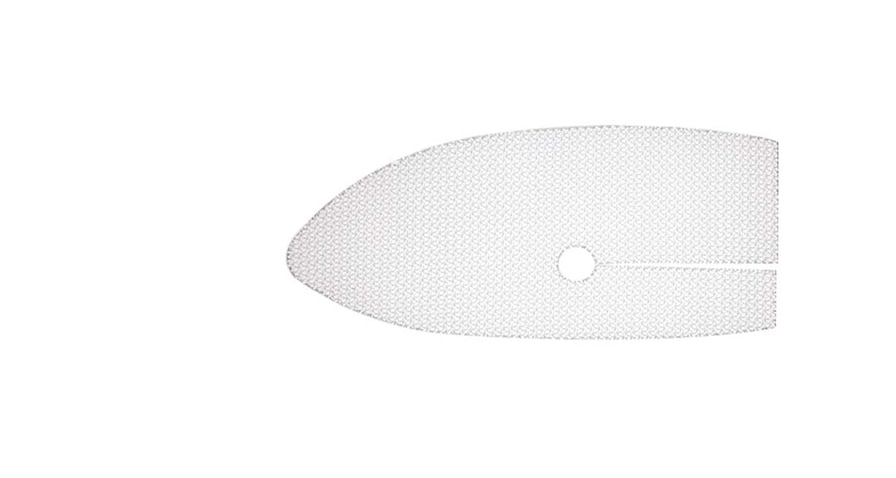
Optional precut shapes provide opening for the spermatic cord, and the rounded edges accommodate to the anatomy of the inguinal canal

Well-tolerated by the body1

Monofilament fibers are less prone to harbor bacteria than multifilament fibers1

Related Products

Products & Accessories
RELATED PRODUCTS NOT AVAILABLE

Related Products

References

Please note, not all products, services or features of products and services may be available in your local area. Please check with your local BD representative.

Indications. Bard® Mesh Pre-shaped is indicated for the repair of inguinal hernias. 

Contraindications.

  1. Do not use this mesh in infants, children, or pregnant women, whereby future growth may be compromised by use of such mesh material.
  2. The use of this mesh has not been studied in breastfeeding or pregnant women.
  3. Literature reports there may be a possibility for adhesion formation when polypropylene is placed in direct contact with the bowel or viscera.

Warnings

  1. The use of any synthetic mesh or patch in a contaminated or infected wound can lead to fistula formation and/or extrusion of the mesh.
  2. If an infection develops, treat the infection aggressively. Consideration should be given regarding the need to remove the mesh. An unresolved infection may require removal of the mesh.
  3. If unused mesh has been in contact with instruments or supplies used on a patient or contaminated with body fluids, discard with care to prevent risk of transmission of viral infections.
  4. To prevent recurrences when repairing hernias, the mesh should be sized with appropriate overlap for the size and location of the defect, taking into consideration any additional clinical factors applicable to the patient. Careful attention to mesh fixation placement and spacing will help prevent excessive tension or gap formation between the mesh and fascial tissue.
  5. The mesh is supplied sterile. Inspect the packaging to be sure it is intact and undamaged prior to use.
  6. This mesh has been designed for single use only. Reuse, reprocessing, resterilization or repackaging may compromise the structural integrity and/or essential material and design characteristics that are critical to the overall performance of the mesh and may lead to mesh failure which may result in injury to the patient.Reuse, reprocessing, resterilization or repackaging may also create a risk of contamination of the mesh and/or cause patient infection or cross infection, including, but not limited to, the transmission of infectious diseases from one patient to another. Contamination of the mesh may lead to injury, illness, or death of the patient or end user.
  7. To avoid injury, careful attention is required if fixating the mesh in the presence of nerves, vessels or the spermatic cord. Fastener penetration into underlying tissue containing nerves or blood vessels may result in the need for medical/surgical intervention, cause serious injury or permanent impairment to a body structure.
  8. This mesh is not for the use of repair of pelvic organ prolapse.
  9. This mesh is not for the use of treatment of stress urinary incontinence.

Precautions.

  1. Please read all instructions prior to use.
  2. Only physicians qualified in the appropriate surgical techniques should use this mesh.

Adverse Reactions.

Possible complications may include, but are not limited to, seroma, adhesions, hematomas, pain, infection, inflammation, extrusion, erosion, migration, fistula formation, allergic reaction and recurrence of the hernia or soft tissue defect.

Disclaimer

Please note, not all products, services or features of products and services may be available in your local area. Please check with your local BD representative.

References
  1. Amid, Shulman, Lichtenstein. “Selecting Synthetic Mesh for the Repair of Groin Hernia.” Postgraduate General Surgery. 1992:4:150-155.

CE 2797

BD- 51745

true

BD-14784

EIFUs
Resources

References

References

  1. Amid, Shulman, Lichtenstein. “Selecting Synthetic Mesh for the Repair of Groin Hernia.” Postgraduate General Surgery. 1992:4:150-155.

Disclaimers

  • Not all products, services, claims or features of products may be available or valid in your local area. Please check with your local BD representative.

  • Please consult product labels and instructions for use for indications, contradictions, hazards, warnings, and precautions.

BD- 51745 (09/22)

true
Bard® Mesh Pre-shaped BD Bard™ mesh pre-shaped

More than 50 years of clinical experience

,

Can be tailored and trimmed to address surgeon needs

,

Available in four convenient sizes

,

Optional precut shapes provide opening for the spermatic cord, and the rounded edges accommodate to the anatomy of the inguinal canal

,

Well-tolerated by the body1

,

Monofilament fibers are less prone to harbor bacteria than multifilament fibers1

/content/dam/bd-assets/bd-com/en-us/logos/bd/header-bd-logo.svg

Monofilament polypropylene mesh for use in inguinal hernia repair.

655084 BD FACSMicroCount™ Workstation Bundle 252363 BD™ Bruker MALDI Biotyper™ System Fungal Library 252362 BD™ Bruker MALDI Biotyper™ System Mycobacterial Library 245175 Guide Facsmicrocount System Reagents 245174 Dead Cell Stain Microcount 4X60UL 245173 Biomass Stain Microcount 4X30UL 245172 Growth Enhancement Media Microcount 1L 245171 Performance Standard Microcount 3X100ML 245169 Bottle Sheath Fluid Conc 4X1L Microcount 245168 Cleaning Fluid Concentrate Microcount 1L 245167 Sodium Azide Microcount 3X25ML 245166 Phosphate Buffer Microcount 1L 245165 Dye Diluent Microcount 4X24ML 245164 Buffer Reagent Microcount 4X24ML 245163 Brag3 Microcount 4X24Ml 245162 Reagent Microcount Lysis Buffer 2X24Ml 245160 Filter Caps Microcount 50 Ea 245016 BD Crystal™ Color Reaction Charts 245015 BD BBL™ Crystal™ Spec Standards 232231 BD Sensi-Disc™ Ceftaroline CPT-30, 10 Ea 232197 BD Sensi-Disc™ Marbofloxacin MAR-5 231570 BD BBL™ Sensi-Disc™ Streptomycin S-50, 1 Ea 231263 BD BBL™ Sensi-Disc™ Ampicillin AM-2, 10 Ea
bard mesh pre-shaped (N/A), bard inguinal hernia mesh (10 AMS)