true


Indication for Use

The Venclose Maven™ Catheter is intended for endovascular coagulation of blood vessels in patients with perforator and tributary vein reflux.

Contraindications

The Venclose Maven™ Catheter is contraindicated in patients with thrombus in the vein segment to be treated.

Warnings

Potential impact to active implanted medical devices located nearby the intended treatment location in the lower limbs has not been evaluated. It is recommended not to coil the Venclose Maven™ connector cable directly above active implanted medical devices • The Venclose™ system is not intended to be used with magnetic resonance imaging • Thermal treatment of the vein may damage adjacent sensory or motor nerves. Risk of damage is greater near the calf or if no local anesthetic is used around the treated vein • Treatment of a vein located close to the skin surface may result in a skin burn. Ensure that the proximal end of the heating element is at least 0.5 cm from the skin • Do not treat within the deep venous system. Ensure that the distal tip of the catheter is greater than 0.5 cm from the deep venous system • Treatment of a vein located near the skin surface may result in a skin burn if the skin is not protected with fluid infiltration • Care should be taken to preserve adequate blood circulation, especially for patients with documented peripheral arterial disease • Catheter is for single patient use only. A contaminated catheter may lead to illness or death of the patient. Cleaning damage to the catheter may lead to ineffective treatment or injury. Venclose will not be responsible for any direct, indirect, incidental or consequential damages or expenses resulting from reuse of the catheter • Transcutaneous ultrasound imaging is recommended to confirm and maintain device tip and heating element position in the target vessel. Do not place heating element in a vein valve (for the purpose of restoring valve function) or in the deep venous system • If electromagnetic interference associated with stray energy from the digiRF™ System is encountered, reposition the imaging system and/or the digiRF™ Generator to eliminate such interference. See the “Separations Distances” table in Section 12 in the digiRF™ Generator’s User Manual for further information • Nerve injury may occur from thermal damage to adjacent sensory nerves. Risk of nerve injury may be higher with treatment at or below the calf, or without perivenous fluid infiltration • Flammable agents for cleaning, disinfecting, or as solvents of adhesives shall be allowed to evaporate before using the Venclose™ system • Interference caused by use of the Venclose™ system may adversely influence operation of other electronic equipment.

Precautions

Store in a dry, cool place • Do not bend catheter shaft into a tight radius; kinking of the shaft may render the catheter inoperable • To prevent damage to the guidewire, ensure that the guidewire does not protrude from the catheter tip when inserting catheter into vein • If fluid contacts the Venclose Maven™ cable connector, wipe it clean and dry before inserting into the generator • Do not leave the guidewire within the catheter lumen at the heating element location during treatment as it will cause the guidewire to become stuck within the catheter lumen • Do not advance the catheter against resistance, or vein perforation may occur • Uneven blood pooling or flow along the heating element may result in inconsistent effectiveness and/or may damage the catheter • Do not begin treatment without verifying that the length of heating element that will actively heat remains inserted a length of at least 0.5 cm from the vein access point • The portion of the catheter shaft within 2.0 cm of the heating element may exceed 41 ºC during treatment. Testing of this region has shown that a maximum temperature of 42 ºC can be reached • If the generator stops treatment due to improper heating, remove the catheter and inspect. Replace the catheter if damage is found. Failure to respond to advisory indicators can result in damage to the catheter • If using direct external compression, do not compress the skin closer than 0.5 cm to the heating element or a skin burn may occur • Do not re-advance the catheter and re-treat an acutely treated vein section or it may increase risk of embolism • Do not treat with the heating element within the access sheath or closer than 0.5 cm to the point of skin access or a skin burn, catheter damage or sheath damage may result • The vein wall may be thinner in an aneurysmal segment. To effectively occlude a vein with an aneurysmal segment, additional compression may be needed over the aneurysmal segment, and the treatment of the vein should include segments proximal and distal to the aneurysmal segment • Use of a flush through the catheter while the heating element is active will interfere with treatment and heat the fluid exiting the end of the catheter. Avoid fluid delivery through the catheter when tip of catheter is near an area that should not be thermally coagulated • Failure to evenly compress the vein over the full length of the heating element may result in inconsistent effectiveness and/or possible catheter damage • Place monitoring electrodes as far as possible from the Venclose™ catheter when the digiRF™ Generator and physiological monitoring equipment are used simultaneously on the same patient • Do not use needle monitoring electrodes • Use monitoring systems incorporating high frequency current-limiting devices • There is a risk of pooling of flammable solutions under the patient, or in body depressions such as the umbilicus, and in body cavities such as the vagina. These fluids should be mopped up before using the Venclose™ system • Endogenous gases (e.g., cotton and gauze saturated with oxygen) may be ignited by sparks produced within the generator during normal use of the Venclose™ system • The Venclose™ system is for use without a neutral electrode • The patient should not come into contact with grounded conductive components or conductive components with appreciable capacitance to earth, such as metallic operating table supports • Do not begin energy delivery (by pressing the catheter handle button or a connected foot switch) before the catheter is properly positioned within the intended treatment vessel and anesthesia is administered, or discomfort or injury may occur • Avoid contact of cords and cables with patient, lead, or other equipment.

Potential Adverse Events

Potential adverse events include, but are not limited to the following: vessel perforation • skin discoloration • nerve injury • temporary paresthesia • thrombosis • deep vein thrombosis • phlebitis • hematoma • infection • skin burn • pulmonary embolism • pain


BD, the BD logo, digiRF and Venclose are trademarks of Becton, Dickinson and Company or its affiliates. © 2026 BD. All rights reserved. | 1 800 321 4254 | www.bd.com | Tempe, AZ 85281 
BD-57732v5


Indication for Use

The Venclose™ digiRF™ Generator is intended to be used with Venclose™ RF Catheter(s) as a system.  

Contraindications

The Venclose™ System is contraindicated in patients with thrombus in the vein segment to be treated.

Warnings

Potential impact to active implanted medical devices located nearby the intended treatment location in the lower limbs has not been evaluated. It is recommended not to coil the catheter connector cable directly above active implanted medical devices • The Venclose™ System is not intended to be used with magnetic resonance imaging • Thermal treatment of the vein may damage adjacent sensory or motor nerves. Risk of damage is greater near the calf or if no local anesthetic is used around the treated vein • (VC10A256F60, VC10A256F100) Treatment of a vein section closer than 1 cm to the skin may result in a skin burn. Direct external compression may reduce the distance between the vein and skin • (VC056F) Treatment of a vein located close to the skin surface may result in a skin burn. Ensure that the proximal end of the heating element is at least 0.5 cm from the skin • (VC056F) Do not treat within the deep venous system. Ensure that the distal tip of the catheter is greater than 0.5 cm from the deep venous system • Treatment of vein located near the skin surface may result in a skin burn if the skin is not protected with fluid infiltration • Care should be taken to preserve adequate blood circulation, especially for patients with documented peripheral arterial disease • Nerve injury may occur from thermal damage to adjacent sensory nerves. Risk of nerve injury may be higher with the treatment at or below the calf, or without perivenous fluid infiltration • Verify that the generator successfully starts up and shows the home screen before beginning a medical procedure that requires its use • Do not operate the digiRF™ Generator in the presence of flammable gasses such as anesthetic mixtures with oxygen, nitrous oxide or air, or in contact with flammable materials or chemicals such as isopropyl alcohol • Do not operate the digiRF™ Generator in a moist environment or a shock hazard may exist • Flammable agents for cleaning, disinfecting, or as solvents of adhesives shall be allowed to evaporate before using the Venclose™ System • Interference caused by use of the Venclose™ System may adversely influence operation of other electronic equipment • Failure of the Venclose™ System could result in an unintended increase of output power • The digiRF™ Generator must be plugged into a supply mains with protective earth ground. Do not use a 3-to-2 prong plug converter to eliminate the ground connection. For 240 V supply mains, only use an AC power center-tap configuration for single phase circuit. Do not remove the cover of the digiRF™ Generator • Use the digiRF™ Generator only with genuine Venclose™ RF Catheters. DO NOT use catheters from any other manufacturer with the digiRF™ Generator as this may damage the generator, increase emissions, decrease immunity to interference, or injure the patient or user • Unplug the digiRF™ Generator power cord from the mains power outlet before checking the fuses • (VC10A256F60, VC10A256F100)Transcutaneous ultrasound imaging is recommended to confirm and maintain device tip and heating element position in the target superficial vessel. Do not place heating element in a vein valve (for the purpose of restoring valve function), a perforating or non-superficial communicating vein, or in the deep venous system • (VC056F) Transcutaneous ultrasound imaging is recommended to confirm and maintain device tip and heating element position in the target vessel. Do not place heating element in a vein valve (for the purpose of restoring valve function) or in the deep venous system • If electromagnetic interference associated with stray energy from the digiRF™ Generator is encountered, reposition the imaging system and/or digiRF™ Generator to eliminate such interference. See the “Separations Distances” table in Section 12 for further information (table can be found in the User Manual) • If treatment does not halt automatically, disconnect the device • Proper ESD precautionary procedures should be used when handling, inserting, or removing the SD card.

Precautions

Do not stack other equipment on top of the digiRF™ Generator • The digiRF™ Generator has no user-serviceable internal parts. If repair is needed, return the generator to an authorized Venclose service facility. A loaner generator may be provided while the generator is away for service. Contact Customer Service for the location of the nearest service facility or for information on receiving a loaner unit • Do not touch the digiRF™ Generator and the patient simultaneously • Place monitoring electrodes as far as possible from the Venclose™ Catheter when the digiRF™ Generator and physiological monitoring equipment are used simultaneously on the same patient • Do not use needle monitoring electrodes • Use monitoring systems incorporating high frequency current-limiting devices • There is a risk of pooling of flammable solutions under the patient, or in body depressions such as the umbilicus, and in body cavities such as the vagina. These fluids should be mopped up before using the Venclose™ System • Endogenous gases (e.g., cotton and gauze saturated with oxygen) may be ignited by sparks produced during normal use of the Venclose™ System • The Venclose™ System is for use without a neutral electrode • Do not use sharp objects or harsh cleaning agents that may damage the digiRF™ Generator touch screen • Do not remove the cover of the digiRF™ Generator; removal of the cover voids the warranty • Replace  digiRF™ Generator fuses only with the appropriate type and rating as identified at the fuse location • The patient should not come into contact with grounded conductive components or conductive components with appreciable capacitance to earth, such as metallic operating table supports • Use both hands when carrying the digiRF™ Generator; do not drop the generator • Inspect the digiRF™ Generator power cord often for visible signs of damage and do not use a damaged power cord as it may cause patient or user injury • The digiRF™ Generator should be allowed to reach the temperature of the room in which the Venclose™ System procedure will be performed before any treatment is started. Failure to equalize temperature may interfere with proper temperature reading and cause excessive or insufficient treatments • Do not begin energy delivery (by pressing the catheter handle button or a connected foot switch) before the catheter is properly positioned within the intended treatment vessel and anesthesia is administered, or discomfort or injury may occur • Avoid contact of power cord and cable with patient, lead, or other equipment • The vein wall may be thinner in an aneurysmal segment. To effectively occlude a vein with an aneurysmal segment, additional compression may be needed over the aneurysmal segment, and the treatment of the vein should include segments proximal and distal to the aneurysmal segment.

Potential Adverse Events

The potential adverse events related to the use of ablation systems include, but are not limited to, the following: • Thrombus/embolic event • Deep vein thrombosis • Pulmonary embolism • Skin burns • Nerve damage • Temporary paresthesia • Hyperpigmentation • Hematoma • Vessel perforation • Phlebitis • Infection • Pain


BD, the BD logo, digiRF and Venclose are trademarks of Becton, Dickinson and Company or its affiliates. © 2026 BD. All rights reserved. | 1 800 321 4254 | www.bd.com | Tempe, AZ 85281 

BD-57732v5

Venclose Maven™ Perforator Catheter

Streamlining Venous Reflux Disease Treatment

Website_banner_VencloseMaven_907x478.jpg
Contact Us
Loading

Overview

Venclose Maven™ Perforator Catheter

Simplified RF Ablation

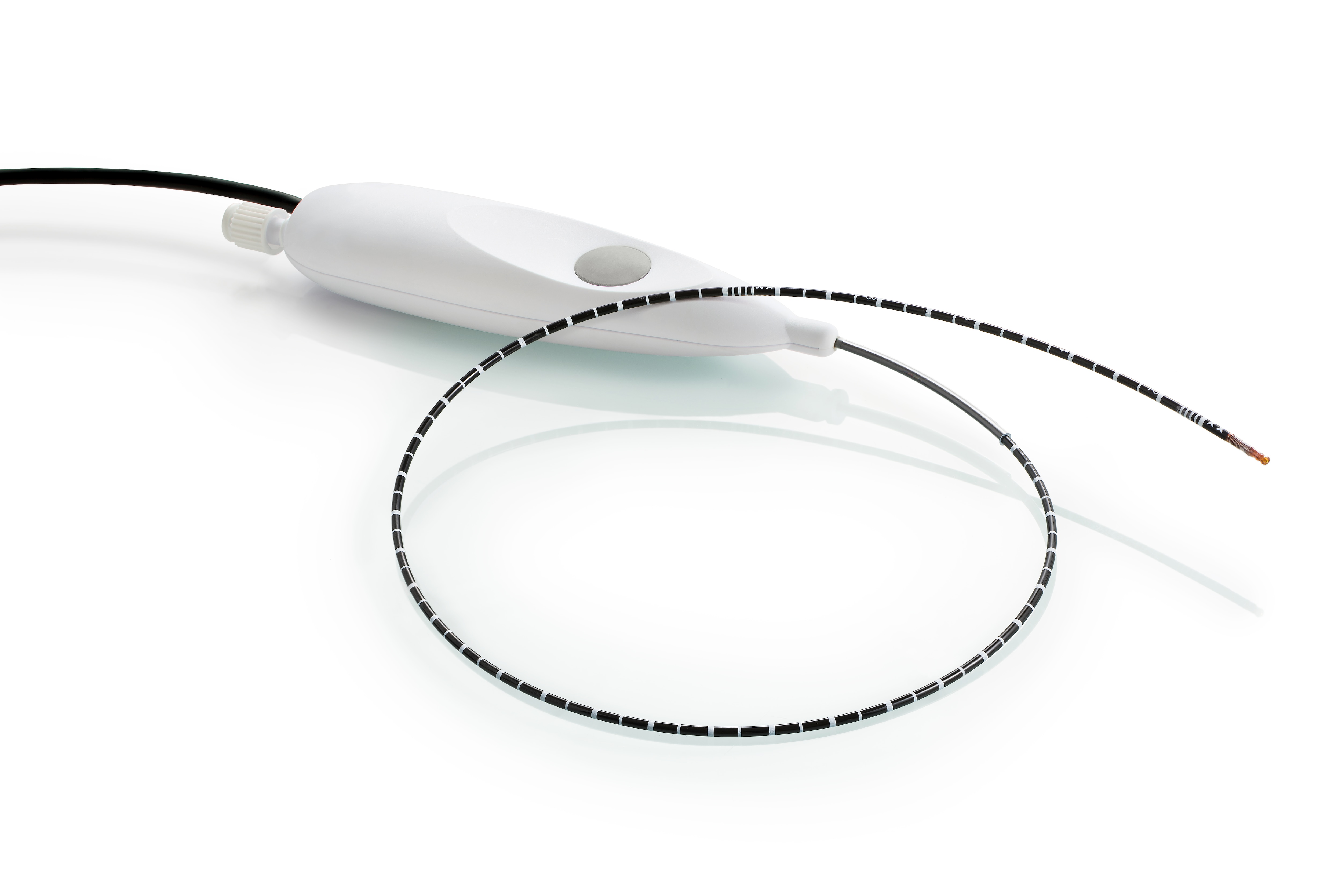
For patients with Chronic Venous Disease (CVD), the Venclose Maven™ Perforator Catheter is used for treatment of incompetent perforator veins (IPVs) and tributary veins through endovenous radiofrequency (RF) ablation. RF ablation has been established as a CVD treatment option for more than 20 years. 


CVD Progression

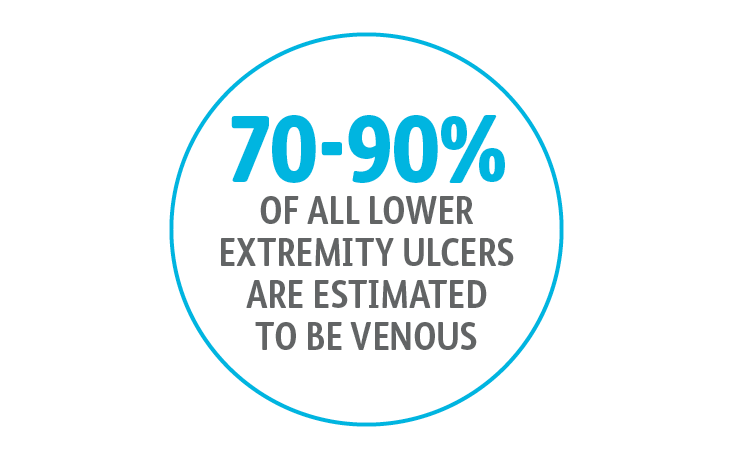
In the U.S., an estimated 175 million Americans are affected by Chronic Venous Disease (CVD). Risk of CVD increases with age, but can begin as early as adolescence. Visible venous disease is far more than a cosmetic problem.1-3 Left untreated, CVD can progress to venous ulceration.

image-20221121-232342.png

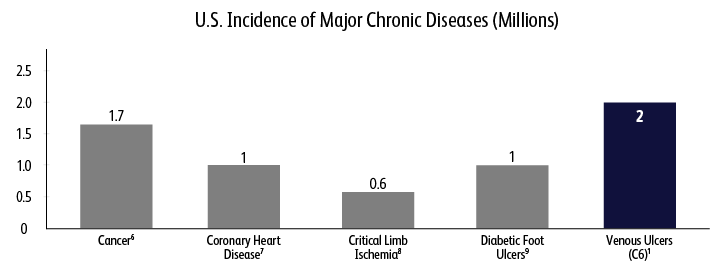
At 2.0 million, the annual number of new venous ulcer cases exceeds that of other chronic diseases including the 1.7 million new cases of all cancers combined and diabetic foot ulcers at 1.0 million new cases1

A Modernized
360° Approach


The only 360° heating coil RF catheter solution for the treatment of incompetent perforator and tributary veins* that avoids the need for repeated quadrant ablations.**


Designed for Versatility
Engineered for Simplicity

  • resistive-heating.jpg
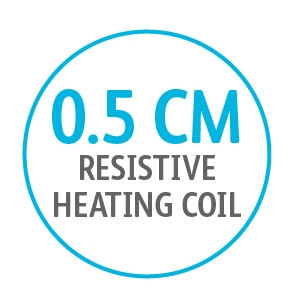
    360° CIRCUMFERENTIAL resistive heating for 20-seconds per treatment cycle
  • low-profile.jpg
    Small profile helps to minimize invasiveness; guidewire compatible with both 0.018” and 0.025”
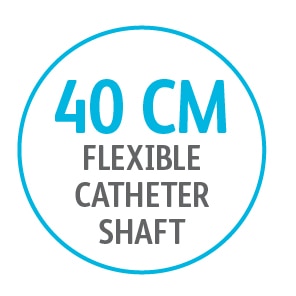
  • 40cm.jpg
    Helps facilitate efficient treatment for varying vein lengths and anatomies


How It Works

Treating Late-Stage Venous Disease with
the Venclose Maven™ Perforator Catheter

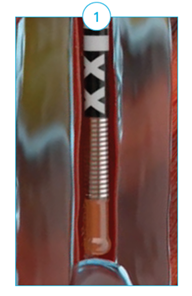
  • maven-howitworks-1.1.png


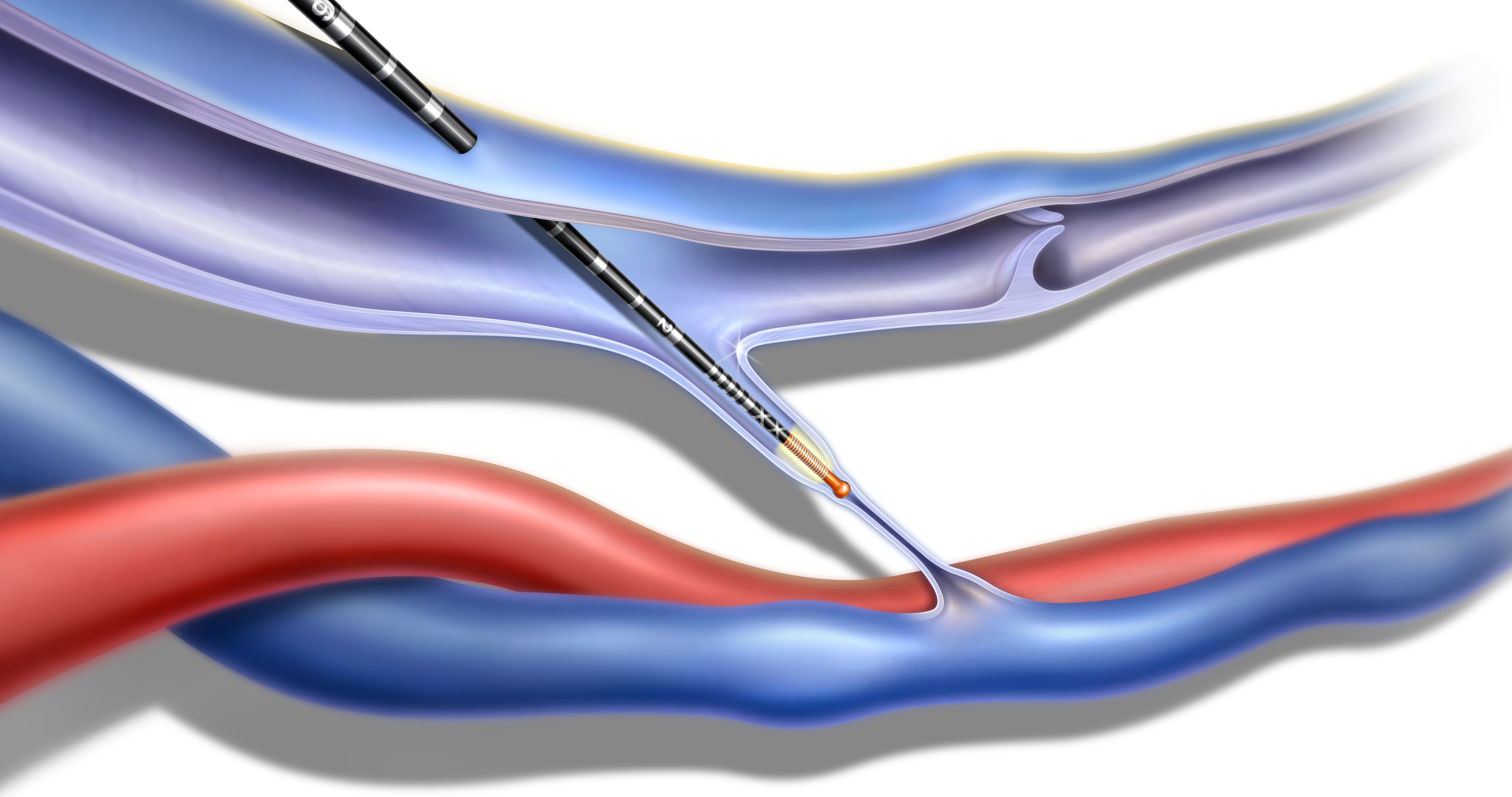
    Catheter is placed in the perforator vein

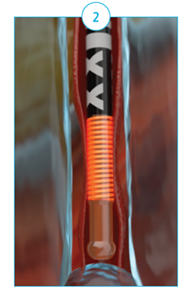
  • maven-howitworks-2.2.png


    Heat is delivered to the incompetent perforator vein and causes the diseased vein to shrink

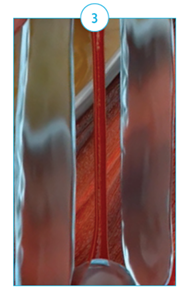
  • maven-howitworks-3.3.png


    Catheter is easily removed, blood flow is redirected to healthy veins

Simplified Setup and Operation

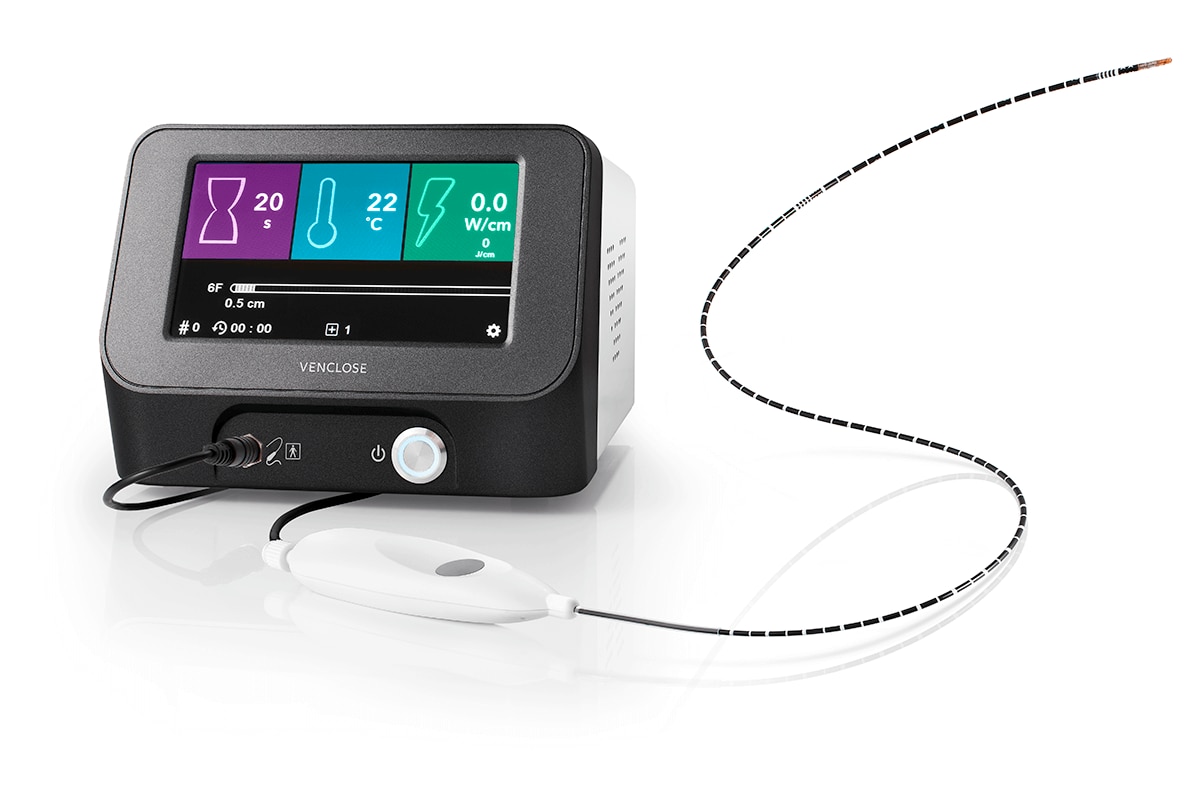
Generator System is equipped with a touchscreen display providing real-time procedure data to help inform physician treatment decisions. 

  • Compact design
  • Generator powers up in seconds
  • Catheter activated by the handle or the foot pedal without having to leave the sterile field
  • Simple catheter connection port allows quick and easy catheter plug-in
  • Audible tones for thermal delivery allow you to focus more on the patient, and less on the display

The Venclose Maven™ Perforator Catheter is powered by the Venclose™ RF Ablation Generator - both are intended to be used together as a system.

Venclose System
    Contact Us

    References

    * As of March 2026

      ** The Venclose Maven™ Perforator Catheter uses 0.5 cm segmental ablation with a 20-second ablation cycle. The ClosureRFS™ Stylet uses pull back or focal ablation. Both ClosureRFS™ Stylet ablation methods require an initial quadrant ablation treatment time of 4 minutes. The pull back method requires additional quadrant ablation treatments for 1 minute per 1 cm, and the focal method requires additional quadrant ablation of subsequently treated adjacent vein segments for 4 minutes each. The ClosureRFS™ Stylet information was obtained from the manufacturer’s procedure guidelines.

      1  Yost ML. Chronic venous disease (CVD): Epidemiology, costs, and consequences. Beaufort, SC: The Sage Group; 2016.

      2  Schultz-Ehrenburg U, Reich-Schupke S, Robak-Pawelczyk B, et al. Prospective epidemiological study on the beginning of varicose veins. Phlebologi. 2009;38(01):17-25. doi: 10.1055/s-0037-1622252

      3  Criqui MH, Denenberg JO, Langer RD, Kaplan RM, Fronek A. Epidemiology of chronic peripheral venous disease. In Bergan J, ed. The Vein Book, 1st ed. Academic Press; 2006.

      4 Rice J, Desai U, Cummings AKG, Birnbaum HG, Skornicki M, Parsons N. Burden of venous leg ulcers in the United States. J Med Econ. 2014;17(5):347-356.

      5 O'Donnell TF, Passman MA, Marston WA, et al. Management of venous leg ulcers: clinical practice guidelines of the Society for Vascular Surgery(R) and the American Venous Forum. J Vasc Surg. 2014;60:3S-59S.

      6 American Cancer Society. Cancer Facts & Figures 2016. Accessed on January 20, 2023, at http://www.cancer.org/research/cancerfactsstatistics/cancerfactsfigures2016.

      7 Mozaffarian D, Benjamin EJ, Go AS, et al. Heart Disease and Stroke Statistics-2016 Update: A Report From the American Heart Association. Circulation. 2016;133(4):e38-e360. doi: 10.1161/CIR.0000000000000350

      8 Nehler MR, Duval S, Diao L, et al. Epidemiology of peripheral arterial disease and critical limb ischemia in an insured national population. J Vasc Surg. 2014;60(3):686-695.e2. doi: 10.1016/j.jvs.2014.03.290

      9 American Diabetes Association. Statistics about Diabetes. Accessed September 2016, at http://www.diabetes.org/diabetes-basics/statistics.


      Please consult product labels and Instructions for use for Indications, contraindications, hazards, warnings, and precautions.

      BD, the BD Logo and Venclose Maven are trademarts of Becton, Dickinson and Company or its affiliates. All other trademarks are the property of their respective owners. © 2026 BD. All Rights Reserved. © 2026 Illustration by Mike Austin.

      BD-69485

      Products & Accessories
      Sort by:
      Reference

      1 Rice J (2014). Burden of venous leg ulcers in the United States. Journal of Medical Economics. 17(5), 347-356

      2 O’Donnell TF, Passman MA, Marston WA, et al. Management of venous leg ulcers: Clinical Practice Guidelines of the Society for Vascular Surgery® and the American Venous Forum. J Vasc. Surg. 2014: 60; 35-595. 

      Please consult product labels and inserts for indications, contraindications, hazards, warnings, precautions and directions for use.

      EIFUs
      Resources
      Reference

      1 Rice J (2014). Burden of venous leg ulcers in the United States. Journal of Medical Economics. 17(5), 347-356

      2 O’Donnell TF, Passman MA, Marston WA, et al. Management of venous leg ulcers: Clinical Practice Guidelines of the Society for Vascular Surgery® and the American Venous Forum. J Vasc. Surg. 2014: 60; 35-595. 

      Please consult product labels and inserts for indications, contraindications, hazards, warnings, precautions and directions for use.

      BD-69485 | MK-0113.A

      true
      Venclose Maven™ Perforator Catheter BD Venclose Maven™ Perforator Catheter /content/dam/bd-assets/bd-com/en-us/logos/bd/header-bd-logo.svg

      Streamlining Venous Reflux Disease Treatment

      vcppm12f Venclose Maven™ Procedure Pack vc056f Venclose Maven™ Perforator Catheter 6F, 40 cm long catheter