

BD Phoenix™ AP Instrument
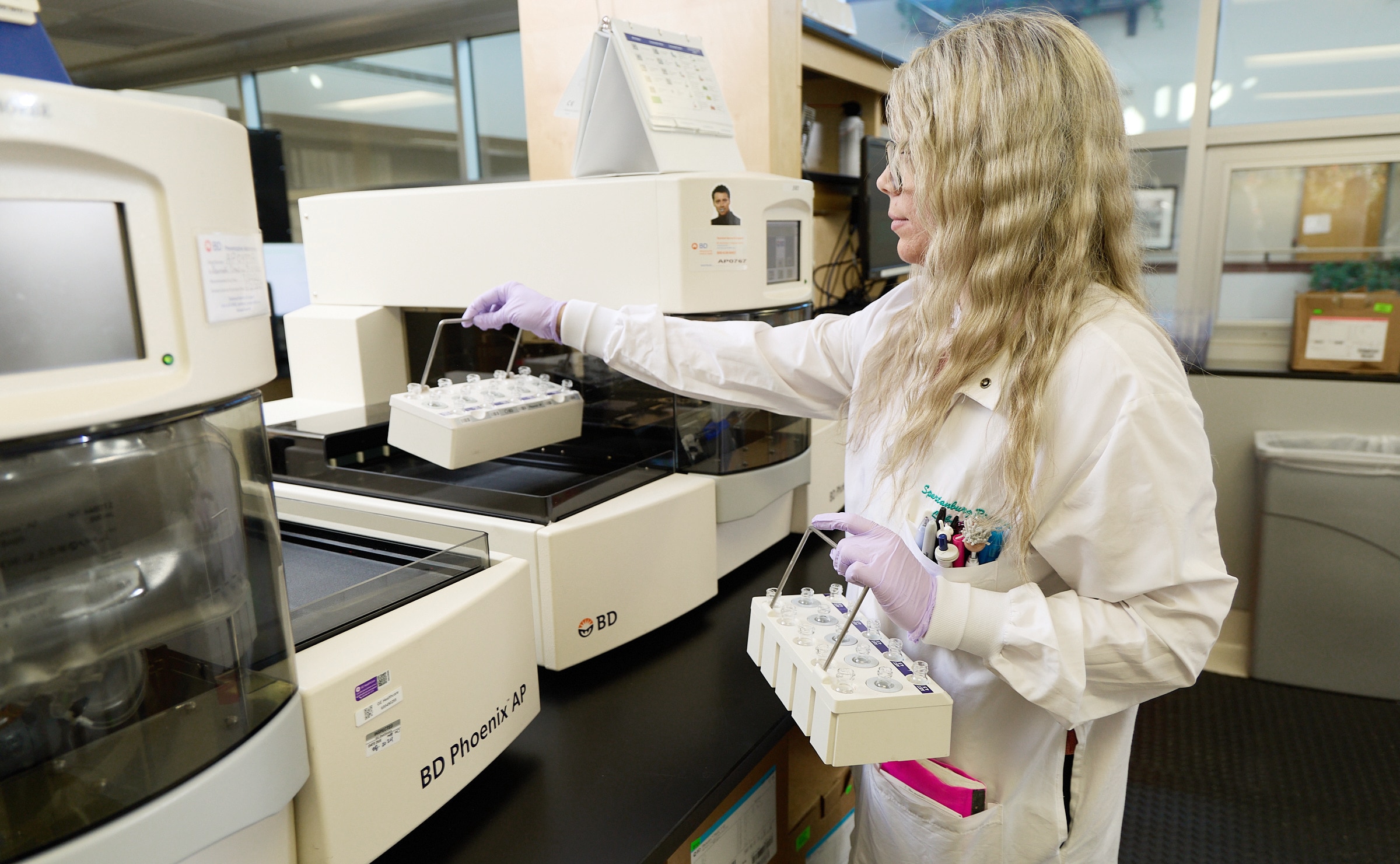
Support workflow efficiency by automating and standardizing inoculum preparation for identification and susceptibility testing.

- Overview
- Products & Accessories
- EIFU & Resources
Antimicrobial susceptibility testing is regarded as one of the most technically demanding resource-intensive tasks1. The complexity is evolving with changing regulatory requirements, breakpoint updates and emerging resistance threats.1,2
The BD Phoenix™ AP Instrument automates human processes, decreasing technologist time and labor to prepare the panels, standardizing inoculum preparation and incorporating automated nephelometry.3,4
The efficiency provided by the BD Phoenix™ AP powered by technology of the BD Phoenix™ M50 is the engine behind accurate results.
More focus, less fatigue
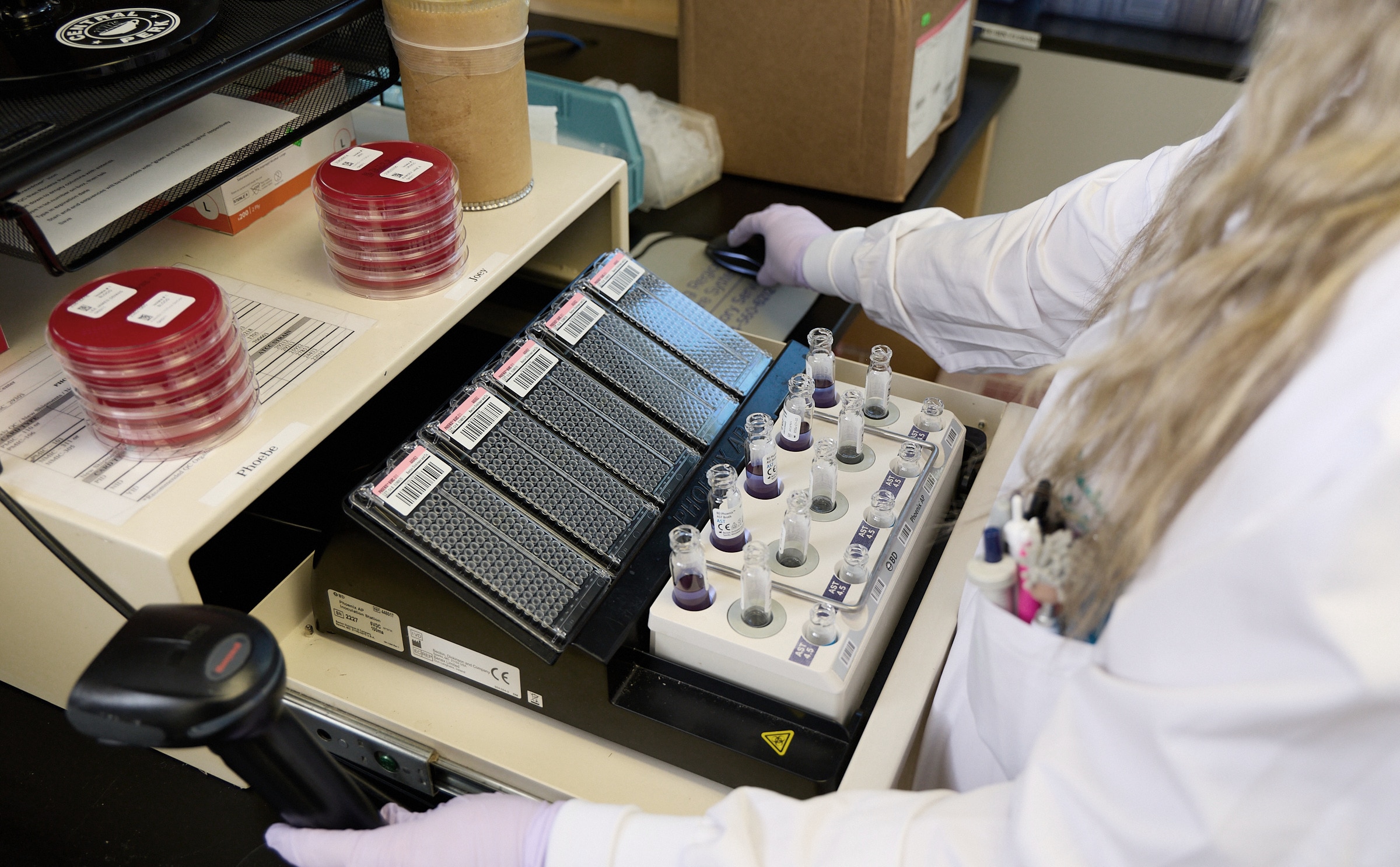
BD Phoenix™ AP requires fewer repetitive manual tasks keep your team focused on what matters most:
- Automated nephelometry
- 50% less hands-on time per sample compared to manual methods4
- 12% reduction in hands-on time compared to bioMérieux Vitek®4
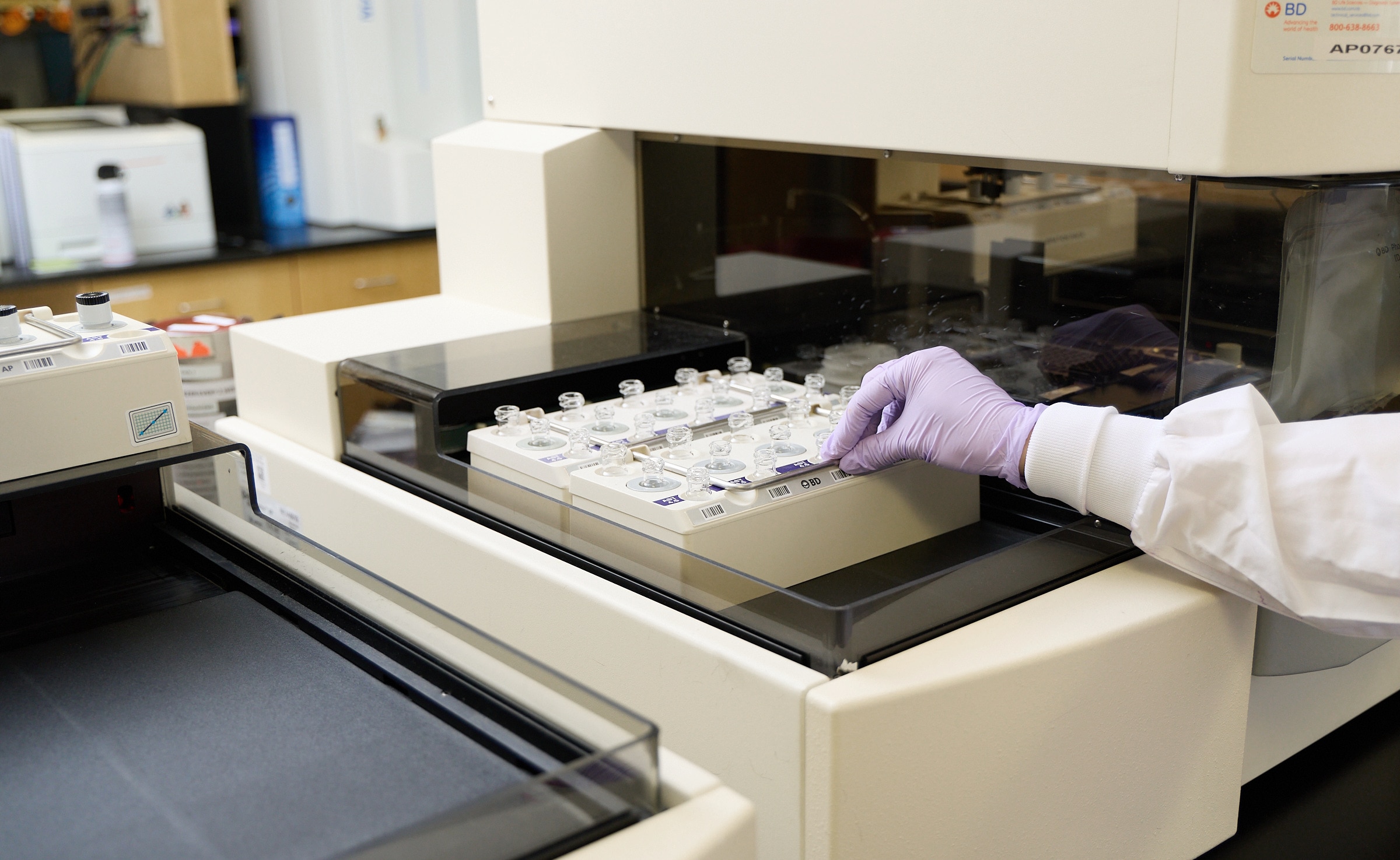
Reduce variability in McFarland preparation through automation with BD Phoenix™ AP
- Standardizes McFarland preparation3
- Help reduce the potential for human error due to variability in manual sample preparation4
- Capable of processing a starting McFarland of 0.20 to 4.0 to the appropriate testing McFarland3
- Increase consistency of isolate preparation3



Bloodstream Infection Solution
BD Clinical and Lab Support
BD Diagnostic Solutions is Now Waters Advanced Diagnostics
BD Diagnostic Solutions and Biosciences have combined with Waters Corporation to create a life sciences and diagnostics leader driven by innovation and a relentless commitment to our customers.
As we begin our new journey as part of Waters, there will be no immediate changes in how we serve you. The way you order your products and services and how you process payment for them will not change. Your points of contact for sales, customer service, technical service and support or clinical services will remain the same.


Our collection of literature on industries and on our offerings gives you information you can use to continue striving for excellence.

We support the healthcare industry with market-leading products and services that aim to improve care while lowering costs. We host and take part in events that excel in advancing the world of health™.

The BD Learning Academy offers a centralized repository of BD product training, education, and the ability to connect courses to your LMS.

We promote clinical excellence by providing various resources on best practices, clinical innovations and industry trends in healthcare.
1. Humphries RM, Simner PJ, Major updates to FDA-recognized Clinical and Laboratory Standards Institute breakpoints are a win for the fight against antimicrobial resistance, JCM Vol. 63, May 2025.
2. Gajic, I.; Kabic, J.; Kekic, D.; Jovicevic, M.; Milenkovic, M.; Mitic Culafic, D.; Trudic, A.; Ranin, L.; Opavski, N. Antimicrobial Susceptibility Testing: A Comprehensive Review of Currently Used Methods. Antibiotics 2022, 11, 427
3. BD Phoenix™ AP Instrument User's Manual (8085581)
4. Junkins A et al. J. Clin. Microbiol. 2010;48(5):1929–31.
Disclaimer:
This business has been acquired by Waters Corporation (“Waters”). For products referenced on this page, the legal manufacturer remains Becton, Dickinson and Company or one of its affiliates or subsidiaries (“BD”) until all required regulatory transfers are completed. During this interim period, BD maintains full responsibility for all regulatory obligations of the legal manufacturer. Product information provided here is supplied under the regulatory authority of BD. To learn more about the relationship between Waters and BD during this transition period, please see our detailed summary waters.com/bdtransaction.