




- Overview
- Clinical application
- EIFU & Resources
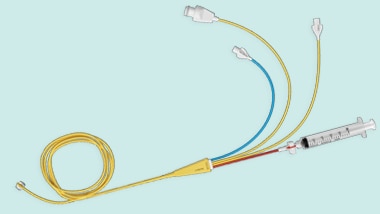
PediaSat™ Oximetry Catheter is the first and only pediatric oximetry catheter with continuous ScvO2 monitoring for proactive management of tissue hypoxia.1-3
Continuous, real-time monitoring of central venous oxygen saturation (ScvO2) offers early recognition of critical changes in oxygen delivery that may not be identified by less sensitive indicators, such as traditional vital signs or intermittent sampling.2,4-8
*PediaSat™ Oximetry Catheter may be used on pediatric and adult patients.
Early warning of oxygen imbalance allows early intervention.2,4,6,9-11
Early indication with continuous ScvO2 monitoring offers you the ability to detect and prevent tissue hypoxia − early− in your complex pediatric patients.2,6,9-11
Continuous ScvO2 monitoring can reveal potential oxygen imbalances, enabling you to proactively determine appropriate therapy.2,4,5,7,12 Real-time insight into the adequacy of cardiac output allows immediate assessment of your patient's clinical response to therapy − to help you stay ahead of tissue hypoxia and stages of sepsis.
Continuous ScvO2 monitoring helps guide therapy and enables early intervention:2,4,7
You can use hemodynamics to manage pediatric septic shock patients in accordance with ACCM-PALS Clinical Practice Parameters13

PediaSat™ Oximetry Catheter
Model numbers | Lumens | Length (CM) | Size (F) |
XT248KTP | 2 | 8 | 4.5 |
| XT358KTP | 3 | 8 | 5.5 |
| XT3515KTP | 3 | 15 | 5.5 |
Philips IntelliVue SO2 module
Philips Healthcare model numbers | Module |
M1011A | SO2 Module |
| 989803151591 | Optical Module |
- Ranucci M, Isgrò G, De La Torre T, Romitti F, Conti D, Carlucci C. Continuous monitoring of central venous oxygen saturation (PediaSat) in pediatric patients undergoing cardiac surgery: a validation study of a new technology. J Cardiothorac Vasc Anesth. 2008;22(6):847-852.
- Reinhart K, Kuhn HJ, Hartog C, Bredle DL. Continuous central venous and pulmonary artery oxygen saturation monitoring in the critically ill. Intensive Care Med. 2004;30(8):1572-1578.
- Mahajan A, Rath GP, Bithal PK, et al. An experimental and clinical evaluation of a novel central venous catheter with integrated oximetry for pediatric patients undergoing cardiac surgery. Anesth Analg. 2007;105(6):1598-1604.
- Rivers EP, Rady MY, Shah KB, et al. Central venous oxygen saturation monitoring in the critically ill patient. Curr Opin Crit Care. 2001;7(3):204-211.
- Pearse RM, Dawson D, Fawcett J, et al. Changes in central venous saturation after major surgery, and association with outcome. Crit Care. 2005;9(6):R694-R701.
- Scalea TM, Maltz S, Yelon J, et al. Central venous oxygen saturation: a useful clinical tool in trauma patients. J Trauma. 1990;30(12):1539-1543.
- Tweddell JS, Hoffman GM, Fedderly RT, et al. Mixed venous oxygen saturation monitoring after stage 1 palliation for hypoplastic left heart syndrome. Ann Thorac Surg. 2007;84:1301-1311.
- Tweddell JS, Hoffman GM, Mussatto KA, et al. Patients at risk for low systemic oxygen delivery after the Norwood procedure. Ann Thorac Surg. 2000;69(6):1893-1899.
- Ingelmo P, Gatti S, Fumagalli R, et al. Importance of monitoring in high-risk surgical patients. Minerva Anestesiol. 2002;68(4):226-230.
- Ander DS, Jaggi M, Rivers E, et al. Undetected cardiogenic shock in patients with congestive heart failure presenting to the emergency department. Am J Cardiol. 1998;82(7):888-891.
- Ranucci M, Isgrò G, De La Torre T, et al. Central venous oxygen saturation and blood lactate levels during cardiopulmonary bypass are associated with outcome after pediatric cardiac surgery. Crit Care. 2010;14:R213.
- Vallet B, Pinsky MR, Cecconi M. Venous oxygen saturation as a physiologic transfusion trigger. Crit Care. 2010;14:213.
- de Oliveira CF, de Oliveira DS, Gottschald AF, et al. An outcomes comparison of ACCM/PALS guidelines for pediatric septic shock with and without central venous oxygen saturation monitoring. Pediatr Crit Care Med. 2007;8(3 Suppl):S33-S39.
See clearly. Stay ahead.
PediaSat™ Oximetry Catheter offers an early warning for compromised or inadequate oxygen delivery2,4,5,7-9
Continuous measurement of ScvO2 in combination with other surrogates of organ perfusion (vital signs, lactate, etc.) can be used as a reliable monitor of cardiocirculatory function.3
- Detect acute changes in systemic oxygen delivery and consumption11
- Identify decreases in systemic oxygen delivery that otherwise would not be identified using intermittent sampling6
- Evaluate oxygen reserve to decide routine interventions (including suctioning, turning, etc.) to minimize patient compromise and maximize outcome.12
Can optimize hemodynamic management in complex pediatric patients: 1,9,12-14
- Congenital heart disease and other complex cardiac patients1,13
- Sepsis and septic shock14
- Acute respiratory distress syndrome (ARDS)12
- Other high-risk patients9
Convenient, accurate and easy to use.3,10,15
PediaSat™ Oximetry Catheter provides:
- Simplicity and flexibility − uses the same insertion techniques as central lines in typical pediatric insertion sites, including subclavian and internal jugular
- Continuous ScvO2 monitoring, pressure monitoring and can help you to proactively determine appropriate therapy
- Accurate oxygenation status1,2
- Double and triple lumens to facilitate pressure monitoring and the administration of solutions
*PediaSat™ Oximetry Catheter may be used on pediatric and adult patients.


- slide 1
- slide 2
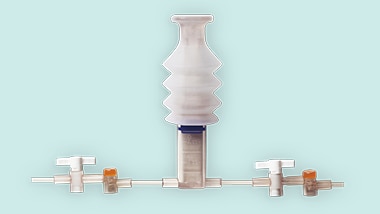
Individualize care with a comprehensive pediatric hemodynamic monitoring portfolio
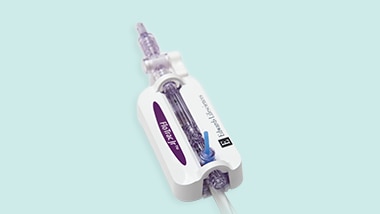
ClearSight Jr™ Finger Cuff is part of a complete portfolio of pediatric hemodynamic monitoring solutions designed to support you in managing hemodynamic instability across a range of patient needs and critical care settings.


- Ranucci M, Isgrò G, De La Torre T, Romitti F, Conti D, Carlucci C. Continuous monitoring of central venous oxygen saturation (PediaSat) in pediatric patients undergoing cardiac surgery: a validation study of a new technology. J Cardiothorac Vasc Anesth. 2008;22(6):847-852.
- Reinhart K, Kuhn HJ, Hartog C, Bredle DL. Continuous central venous and pulmonary artery oxygen saturation monitoring in the critically ill. Intensive Care Med. 2004;30(8):1572-1578.
- Mahajan A, Rath GP, Bithal PK, et al. An experimental and clinical evaluation of a novel central venous catheter with integrated oximetry for pediatric patients undergoing cardiac surgery. Anesth Analg. 2007;105(6):1598-1604.
- Rivers EP, Rady MY, Shah KB, et al. Central venous oxygen saturation monitoring in the critically ill patient. Curr Opin Crit Care. 2001;7(3):204-211.
- Scalea TM, Maltz S, Yelon J, et al. Central venous oxygen saturation: a useful clinical tool in trauma patients. J Trauma. 1990;30(12):1539-1543.
- Tweddell JS, Hoffman GM, Mussatto KA, et al. Patients at risk for low systemic oxygen delivery after the Norwood procedure. Ann Thorac Surg. 2000;69(6):1893-1899.
- Ingelmo P, Gatti S, Fumagalli R, et al. Importance of monitoring in high-risk surgical patients. Minerva Anestesiol. 2002;68(4):226-230.
- Ander DS, Jaggi M, Rivers E, et al. Undetected cardiogenic shock in patients with congestive heart failure presenting to the emergency department. Am J Cardiol. 1998;82(7):888-891.
- Ranucci M, Isgrò G, De La Torre T, et al. Central venous oxygen saturation and blood lactate levels during cardiopulmonary bypass are associated with outcome after pediatric cardiac surgery. Crit Care. 2010;14:R213.
- Vallet B, Pinsky MR, Cecconi M. Venous oxygen saturation as a physiologic transfusion trigger. Crit Care. 2010;14:213.
- Tweddell JS, Hoffman GM, Fedderly RT, et al. Postoperative management in patients with complex congenital heart disease. Semin Thorac Cardiovasc Surg Pediatr Card Surg Annu. 2002;5:187-205.
- Sanders CL. Making clinical decisions using SvO₂ in PICU patients. Dimens Crit Care Nurs. 1997;16(5):257-264.
- Mohseni H, Rath GP, Bithal PK, et al. Evaluation of a new pediatric continuous oximetry catheter. Pediatr Crit Care Med. 2011;12(4):437-441.
- Lemson J, van der Hoeven JG, et al. Advanced hemodynamic monitoring in critically ill patients. Pediatrics. 2011;127:e1178-e1186. (Verify page range if needed)
- Ranucci M, Isgrò G, De La Torre T, et al. Near-infrared spectroscopy correlates with continuous superior vena cava oxygen saturation in pediatric cardiac surgery patients. Paediatr Anaesth. 2008;18(12):1163-1169.


Access our extensive collection of informative product and educational resources, designed to keep you informed and help you achieve excellence.

BD Advanced Patient Monitoring is here to help you stay on top of the latest clinical challenges and make the most of hemodynamic monitoring solutions.
CAUTION: Federal (United States) law restricts this device to sale by or on the order of a physician.
See instructions for use for full prescribing information, including indications, contraindications, warnings, precautions and adverse events.