


Sort by:
true

Support
Sales

1.844.8.BD.LIFE (1.844.823.5433)
Thank you for contacting our sales team!
A sales representative will get in touch with you shortly.
Ordering
1.800.556.6756

BDISurgery@bd.com
Onsite Visiting

100 Crossings Boulevard Warwick, Rhode Island 02886 United States
Customer Service
1.844.8.BD.LIFE (1.844.823.5433)
Monday to Friday 8:15 AM to 6:00 PM EST

1.800.531.4124
Custserv.davol@bd.com
Shipping a Product Back
100 Crossings Boulevard, Warwick, Rhode Island 02886, United States
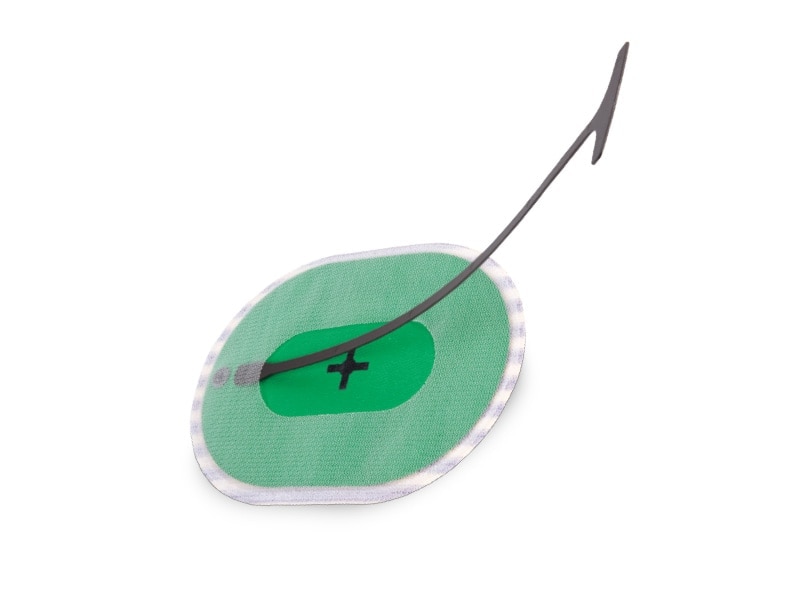
Phasix™ ST Mesh with Open Positioning System
Streamlined technique for open ventral hernia repair1

- Overview
- Products & Accessories
- EIFU & Resources
Spend time where it matters most
Introducing the first and only pocketed bioresorbable mesh with a positioning system designed to simplify intraabdominal placement in open hernia repair.2 As supported by preclinical data, designed for:
-

Easy positioning1
Helps maintain its shape for accurate mesh centering and easy fixation.
-

Increased efficiency3
Up to 43% faster overall procedure time compared to conventional mesh.
-

Reliable strength1,4
Demonstrates rapid tissue ingrowth and over 2x the strength of other bioresorbable mesh.5
true

1. Surgeon survey. N=22. Data on file. Preclinical testing. Results may not correlate to clinical performance.
2. Data on file.
3. Time test compared to biologic mesh. Preclinical testing. Data on file. Results may not correlate to clinical performance.
4. Data on file. Based on preclinical testing. Results may not correlate to clinical performance in humans.
5. In preclinical testing compared to Bio-A®, Vicyrl® Mesh, and OviTex™ Resorbable Mesh. Data on file. Results may not correlate to clinical performance in humans.
Indications.
The mesh is indicated for use in the reinforcement of soft tissue, where weakness exists, in procedures involving soft tissue repair, such as for the repair of hernias. The removable positioning system is intended to facilitate the placement, positioning and fixation of the mesh during open ventral hernia repair.
Contraindications.
Because the mesh is fully resorbable, it should not be used in repairs where permanent wound or organ support from the mesh is required.
Warnings.
The mesh is the only implantable component of the device. The positioning system (which includes positioning guide and handle) must be removed from the patient and appropriately discarded. It is not part of the permanent implant.
Device manufacture involves exposure to tetracycline hydrochloride and kanamycin sulfate. The safety and product use for patients with hypersensitivities to these antibiotics is unknown. The use of this mesh in susceptible patients with known allergies to tetracycline hydrochloride or kanamycin sulfate should be avoided.
Ensure proper orientation; the coated side of the mesh should be oriented against the bowel or sensitive organs. Do not place the uncoated mesh side against the bowel. There is a risk for adhesion formation or erosions when the uncoated mesh side is placed in direct contact with the bowel or viscera.
The safety and effectiveness of the mesh in bridging repairs has not been evaluated or established.
The safety and effectiveness of the mesh in the following applications has not been evaluated or established: a. pregnant women b. pediatric use c. Neural and cardiovascular tissue d. Presence of malignancies in the abdominal cavity.
Do not apply sharp, pointed, cautery devices or ultrasonic tools (such as scissors, needles, tackers, diathermic tools, etc.) to the positioning system.
Product should be used once exterior foil pouch has been opened. Do not store for later use.
Discard the positioning system (including the positioning guide and handle) after use. These may be a potential biohazard. Handle and dispose of in accordance with accepted medical practice and applicable local, state and federal laws and regulations. If the device has been in contact with instruments or supplies used on a patient or contaminated with body fluids, discard mesh with care to prevent risk of transmission of viral and other infections.
This device is provided sterile and has been designed for single use only. Reuse, resterilization, reprocessing and/or repackaging any portion of the device may compromise the structural integrity and/or essential material and design characteristics that are critical to the overall performance of the device and may lead to device failure which may result in injury to the patient. Reuse, reprocessing, resterilization, or repackaging may also create a risk of contamination of the device and/or cause patient infection or cross infection, including, but not limited to, the transmission of infectious diseases from one patient to another. Contamination of the device may lead to injury, illness, or death of the patient or end user.
Do not cut or reshape the Phasix™ ST Mesh with Open Positioning System, as this could impact its effectiveness.
To ensure a strong repair, the mesh should be secured with tacks or sutures through the anterior P4HB mesh or full mesh. Suturing or tacking on edge of mesh alone is not recommended.
To prevent recurrences when repairing hernias, the mesh must be large enough to provide sufficient overlap beyond the margins of the repair/primary closure. Careful attention to mesh fixation placement and spacing will help prevent excessive tension or gap formation between the mesh and fascial tissue.
The use of any synthetic mesh in a contaminated or infected wound can lead to fistula formation and/or extrusion of the mesh and is not recommended.
If an infection develops, treat the infection aggressively. Consideration should be given regarding the need to remove the mesh. An unresolved infection may require the removal of the mesh.
Prior to use, carefully examine package and product to verify neither is damaged and that all seals are intact. Do not use if the foil pouch or package is damaged or open, or if the center of the temperature indicator on the foil pouch is black.
Precautions.
Please read all instructions prior to use.
Only physicians qualified in the appropriate surgical techniques should use this device. Users should be familiar with strength and mesh size requirements. Improper selection, placement, positioning, and fixation of the mesh can cause subsequent undesirable results.
Care should be taken not to damage or nick the positioning system during fixation.
The safety and effectiveness of Phasix™ ST Mesh with Open Positioning System in the proximity of existing or excised cancer has not been established.
Adverse Reactions.
In preclinical testing, the mesh elicited a minimal tissue reaction characteristic of foreign body response to a substance. The tissue reaction resolved as the mesh was resorbed. Possible complications may include, but are not limited to, seroma, adhesion, hematoma, pain, infection, inflammation, allergic reaction, hemorrhage, extrusion, erosion, migration, fistula formation, and recurrence of the hernia or soft tissue defect.
Please consult package insert for more detailed safety information and instructions for use.
true

1. Surgeon survey. N=22. Data on file. Preclinical testing. Results may not correlate to clinical performance.
2. Data on file.
3. Time test compared to biologic mesh. Preclinical testing. Data on file. Results may not correlate to clinical performance.
4. Data on file. Based on preclinical testing. Results may not correlate to clinical performance in humans.
5. In preclinical testing compared to Bio-A®, Vicyrl® Mesh, and OviTex™ Resorbable Mesh. Data on file. Results may not correlate to clinical performance in humans.
Indications.
The mesh is indicated for use in the reinforcement of soft tissue, where weakness exists, in procedures involving soft tissue repair, such as for the repair of hernias. The removable positioning system is intended to facilitate the placement, positioning and fixation of the mesh during open ventral hernia repair.
Contraindications.
Because the mesh is fully resorbable, it should not be used in repairs where permanent wound or organ support from the mesh is required.
Warnings.
The mesh is the only implantable component of the device. The positioning system (which includes positioning guide and handle) must be removed from the patient and appropriately discarded. It is not part of the permanent implant.
Device manufacture involves exposure to tetracycline hydrochloride and kanamycin sulfate. The safety and product use for patients with hypersensitivities to these antibiotics is unknown. The use of this mesh in susceptible patients with known allergies to tetracycline hydrochloride or kanamycin sulfate should be avoided.
Ensure proper orientation; the coated side of the mesh should be oriented against the bowel or sensitive organs. Do not place the uncoated mesh side against the bowel. There is a risk for adhesion formation or erosions when the uncoated mesh side is placed in direct contact with the bowel or viscera.
The safety and effectiveness of the mesh in bridging repairs has not been evaluated or established.
The safety and effectiveness of the mesh in the following applications has not been evaluated or established: a. pregnant women b. pediatric use c. Neural and cardiovascular tissue d. Presence of malignancies in the abdominal cavity.
Do not apply sharp, pointed, cautery devices or ultrasonic tools (such as scissors, needles, tackers, diathermic tools, etc.) to the positioning system.
Product should be used once exterior foil pouch has been opened. Do not store for later use.
Discard the positioning system (including the positioning guide and handle) after use. These may be a potential biohazard. Handle and dispose of in accordance with accepted medical practice and applicable local, state and federal laws and regulations. If the device has been in contact with instruments or supplies used on a patient or contaminated with body fluids, discard mesh with care to prevent risk of transmission of viral and other infections.
This device is provided sterile and has been designed for single use only. Reuse, resterilization, reprocessing and/or repackaging any portion of the device may compromise the structural integrity and/or essential material and design characteristics that are critical to the overall performance of the device and may lead to device failure which may result in injury to the patient. Reuse, reprocessing, resterilization, or repackaging may also create a risk of contamination of the device and/or cause patient infection or cross infection, including, but not limited to, the transmission of infectious diseases from one patient to another. Contamination of the device may lead to injury, illness, or death of the patient or end user.
Do not cut or reshape the Phasix™ ST Mesh with Open Positioning System, as this could impact its effectiveness.
To ensure a strong repair, the mesh should be secured with tacks or sutures through the anterior P4HB mesh or full mesh. Suturing or tacking on edge of mesh alone is not recommended.
To prevent recurrences when repairing hernias, the mesh must be large enough to provide sufficient overlap beyond the margins of the repair/primary closure. Careful attention to mesh fixation placement and spacing will help prevent excessive tension or gap formation between the mesh and fascial tissue.
The use of any synthetic mesh in a contaminated or infected wound can lead to fistula formation and/or extrusion of the mesh and is not recommended.
If an infection develops, treat the infection aggressively. Consideration should be given regarding the need to remove the mesh. An unresolved infection may require the removal of the mesh.
Prior to use, carefully examine package and product to verify neither is damaged and that all seals are intact. Do not use if the foil pouch or package is damaged or open, or if the center of the temperature indicator on the foil pouch is black.
Precautions.
Please read all instructions prior to use.
Only physicians qualified in the appropriate surgical techniques should use this device. Users should be familiar with strength and mesh size requirements. Improper selection, placement, positioning, and fixation of the mesh can cause subsequent undesirable results.
Care should be taken not to damage or nick the positioning system during fixation.
The safety and effectiveness of Phasix™ ST Mesh with Open Positioning System in the proximity of existing or excised cancer has not been established.
Adverse Reactions.
In preclinical testing, the mesh elicited a minimal tissue reaction characteristic of foreign body response to a substance. The tissue reaction resolved as the mesh was resorbed. Possible complications may include, but are not limited to, seroma, adhesion, hematoma, pain, infection, inflammation, allergic reaction, hemorrhage, extrusion, erosion, migration, fistula formation, and recurrence of the hernia or soft tissue defect.
Please consult package insert for more detailed safety information and instructions for use.
true

true

Literature
Our collection of literature on industries and on our offerings gives you information you can use to continue striving for excellence.
Learn more

Events
We support the healthcare industry with market-leading products and services that aim to improve care while lowering costs. We host and take part in events that excel in advancing the world of health™.
Learn more

Training
The BD Learning Academy offers a centralized repository of BD product training, education, and the ability to connect courses to your LMS.
Learn More

Case Studies
We promote clinical excellence by providing various resources on best practices, clinical innovations and industry trends in healthcare.
Learn more
true
1. Surgeon survey. N=22. Data on file. Preclinical testing. Results may not correlate to clinical performance.
2. Data on file.
3. Time test compared to biologic mesh. Preclinical testing. Data on file. Results may not correlate to clinical performance.
4. Data on file. Based on preclinical testing. Results may not correlate to clinical performance in humans.
5. In preclinical testing compared to Bio-A®, Vicyrl® Mesh, and OviTex™ Resorbable Mesh. Data on file. Results may not correlate to clinical performance in humans.
Indications.
The mesh is indicated for use in the reinforcement of soft tissue, where weakness exists, in procedures involving soft tissue repair, such as for the repair of hernias. The removable positioning system is intended to facilitate the placement, positioning and fixation of the mesh during open ventral hernia repair.
Contraindications.
Because the mesh is fully resorbable, it should not be used in repairs where permanent wound or organ support from the mesh is required.
Warnings.
The mesh is the only implantable component of the device. The positioning system (which includes positioning guide and handle) must be removed from the patient and appropriately discarded. It is not part of the permanent implant.
Device manufacture involves exposure to tetracycline hydrochloride and kanamycin sulfate. The safety and product use for patients with hypersensitivities to these antibiotics is unknown. The use of this mesh in susceptible patients with known allergies to tetracycline hydrochloride or kanamycin sulfate should be avoided.
Ensure proper orientation; the coated side of the mesh should be oriented against the bowel or sensitive organs. Do not place the uncoated mesh side against the bowel. There is a risk for adhesion formation or erosions when the uncoated mesh side is placed in direct contact with the bowel or viscera.
The safety and effectiveness of the mesh in bridging repairs has not been evaluated or established.
The safety and effectiveness of the mesh in the following applications has not been evaluated or established: a. pregnant women b. pediatric use c. Neural and cardiovascular tissue d. Presence of malignancies in the abdominal cavity.
Do not apply sharp, pointed, cautery devices or ultrasonic tools (such as scissors, needles, tackers, diathermic tools, etc.) to the positioning system.
Product should be used once exterior foil pouch has been opened. Do not store for later use.
Discard the positioning system (including the positioning guide and handle) after use. These may be a potential biohazard. Handle and dispose of in accordance with accepted medical practice and applicable local, state and federal laws and regulations. If the device has been in contact with instruments or supplies used on a patient or contaminated with body fluids, discard mesh with care to prevent risk of transmission of viral and other infections.
This device is provided sterile and has been designed for single use only. Reuse, resterilization, reprocessing and/or repackaging any portion of the device may compromise the structural integrity and/or essential material and design characteristics that are critical to the overall performance of the device and may lead to device failure which may result in injury to the patient. Reuse, reprocessing, resterilization, or repackaging may also create a risk of contamination of the device and/or cause patient infection or cross infection, including, but not limited to, the transmission of infectious diseases from one patient to another. Contamination of the device may lead to injury, illness, or death of the patient or end user.
Do not cut or reshape the Phasix™ ST Mesh with Open Positioning System, as this could impact its effectiveness.
To ensure a strong repair, the mesh should be secured with tacks or sutures through the anterior P4HB mesh or full mesh. Suturing or tacking on edge of mesh alone is not recommended.
To prevent recurrences when repairing hernias, the mesh must be large enough to provide sufficient overlap beyond the margins of the repair/primary closure. Careful attention to mesh fixation placement and spacing will help prevent excessive tension or gap formation between the mesh and fascial tissue.
The use of any synthetic mesh in a contaminated or infected wound can lead to fistula formation and/or extrusion of the mesh and is not recommended.
If an infection develops, treat the infection aggressively. Consideration should be given regarding the need to remove the mesh. An unresolved infection may require the removal of the mesh.
Prior to use, carefully examine package and product to verify neither is damaged and that all seals are intact. Do not use if the foil pouch or package is damaged or open, or if the center of the temperature indicator on the foil pouch is black.
Precautions.
Please read all instructions prior to use.
Only physicians qualified in the appropriate surgical techniques should use this device. Users should be familiar with strength and mesh size requirements. Improper selection, placement, positioning, and fixation of the mesh can cause subsequent undesirable results.
Care should be taken not to damage or nick the positioning system during fixation.
The safety and effectiveness of Phasix™ ST Mesh with Open Positioning System in the proximity of existing or excised cancer has not been established.
Adverse Reactions.
In preclinical testing, the mesh elicited a minimal tissue reaction characteristic of foreign body response to a substance. The tissue reaction resolved as the mesh was resorbed. Possible complications may include, but are not limited to, seroma, adhesion, hematoma, pain, infection, inflammation, allergic reaction, hemorrhage, extrusion, erosion, migration, fistula formation, and recurrence of the hernia or soft tissue defect.
Please consult package insert for more detailed safety information and instructions for use.
true
true