


Innovation that simplifies. Consistency that counts.
3DMax™ MID Anatomical Mesh is optimized for robotic and laparoscopic inguinal hernia repair and designed for improved efficiency, ease of use, and consistent patient outcomes.


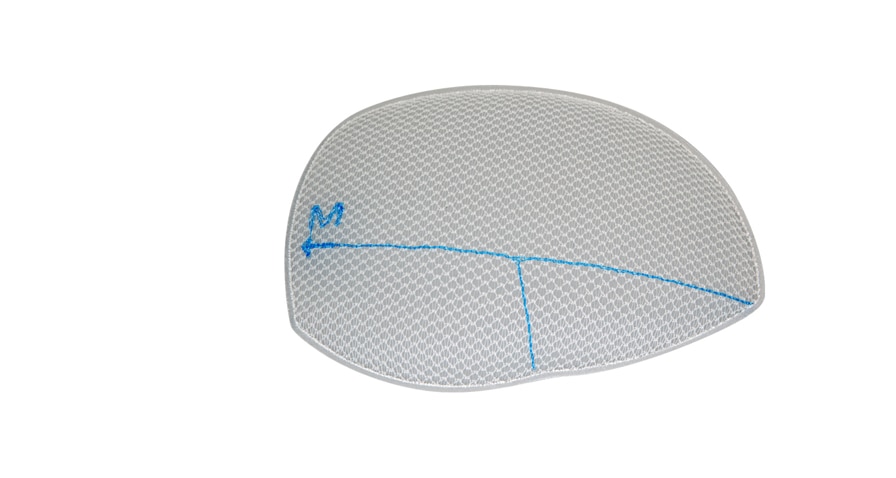

3DMax™ MID Anatomical Mesh is optimized for robotic and laparoscopic inguinal hernia repair and designed for improved efficiency, ease of use, and consistent patient outcomes.
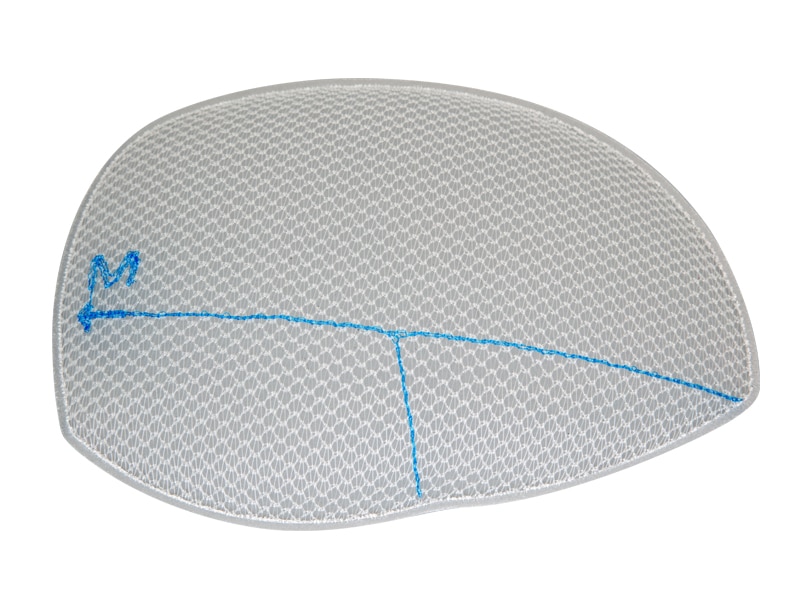
Designed to deliver improved efficiency simplicity and consistency
INDICATIONS. The 3DMax™ MID Anatomical Mesh is indicated for use in the reinforcement of soft tissue where weakness exists in the repair of inguinal hernias.
CONTRAINDICATIONS. 1. Do not use this mesh in infants, children or pregnant or breastfeeding women, whereby future growth may be compromised by use of such mesh material. 2. Literature reports that there may be a possibility for adhesion formation when polypropylene mesh is placed in direct contact with the bowel or viscera.
WARNINGS. 1. The use of any permanent mesh or patch in a contaminated or infected wound could lead to fistula formation and/or extrusion of the mesh. 2. If an infection develops, treat the infection aggressively. Consideration should be given regarding the need to remove the mesh. An unresolved infection may require removal of the mesh. 3. If unused mesh has been in contact with instruments or supplies used on a patient or contaminated with bodily fluids, discard mesh with care to prevent risk of transmission of viral infections. 4. To prevent recurrences when repairing hernias, the mesh should be sized with appropriate overlap for the size and location of the defect, taking into consideration any additional clinical factors applicable to the patient. Careful attention to mesh fixation placement and spacing will help prevent excessive tension or gap formation between the mesh and fascial tissue. 5. This mesh is supplied sterile. Inspect the packaging to be sure it is intact and undamaged prior to use. 6. This mesh has been designed for single use only. Reuse, reprocessing, resterilization or repackaging may compromise the structural integrity and/ or essential material and design characteristics that are critical to the overall performance of the mesh and may lead to mesh failure which may result in injury to the patient. Reuse, reprocessing, resterilization or repackaging may also create a risk of contamination of the mesh and/or cause patient infection or cross infection, including, but not limited to, the transmission of infectious diseases from one patient to another. Contamination of the mesh may lead to injury, illness or death of the patient or end user. 7. To avoid injury, careful attention is required if fixating the mesh in the presence of nerves, vessels or the spermatic cord. Fastener penetration into underlying tissue containing nerves or blood vessels may result in the need for medical/surgical intervention, cause serious injury or permanent impairment to a body structure. 8. This device is not for the use of repair of pelvic organ prolapse. 9. This device is not for the use of treatment of stress urinary incontinence.
PRECAUTIONS. 1. Please read all instructions prior to use. 2. Only physicians qualified in appropriate surgical techniques should use this mesh. 3. Do not cut or reshape the 3DMax™ MID Anatomical Mesh as this may affect its effectiveness. 4. Use an appropriately sized trocar to allow mesh to slide down the trocar with minimal force.
INSTRUCTIONS FOR USE. It is recommended to use 8 mm or larger internal diameter trocar* to introduce 3DMax™ MID Anatomical Mesh. *If the trocar has a proximal cap, removing it can help facilitate insertion of the device. Insertion forces may vary depending on rolled device size and graspers/trocar used.
ADVERSE REACTIONS. Possible complications may include, but are not limited to, seroma, adhesion, hematoma, pain, infection, inflammation, extrusion, erosion, migration, fistula formation, allergic reaction, wound dehiscence and recurrence of the hernia or soft tissue defect. Please consult product package insert for more detailed safety information and instructions for use.
FIXATION. Fixation may not be required. If you choose to fixate, care should be taken to avoid fixating on vessels and nerves. Please consult product labels and inserts for any indications, contraindications, hazards, warnings, precautions and instructions for use.
INDICATIONS. The 3DMax™ MID Anatomical Mesh is indicated for use in the reinforcement of soft tissue where weakness exists in the repair of inguinal hernias.
CONTRAINDICATIONS. 1. Do not use this mesh in infants, children or pregnant or breastfeeding women, whereby future growth may be compromised by use of such mesh material. 2. Literature reports that there may be a possibility for adhesion formation when polypropylene mesh is placed in direct contact with the bowel or viscera.
WARNINGS. 1. The use of any permanent mesh or patch in a contaminated or infected wound could lead to fistula formation and/or extrusion of the mesh. 2. If an infection develops, treat the infection aggressively. Consideration should be given regarding the need to remove the mesh. An unresolved infection may require removal of the mesh. 3. If unused mesh has been in contact with instruments or supplies used on a patient or contaminated with bodily fluids, discard mesh with care to prevent risk of transmission of viral infections. 4. To prevent recurrences when repairing hernias, the mesh should be sized with appropriate overlap for the size and location of the defect, taking into consideration any additional clinical factors applicable to the patient. Careful attention to mesh fixation placement and spacing will help prevent excessive tension or gap formation between the mesh and fascial tissue. 5. This mesh is supplied sterile. Inspect the packaging to be sure it is intact and undamaged prior to use. 6. This mesh has been designed for single use only. Reuse, reprocessing, resterilization or repackaging may compromise the structural integrity and/ or essential material and design characteristics that are critical to the overall performance of the mesh and may lead to mesh failure which may result in injury to the patient. Reuse, reprocessing, resterilization or repackaging may also create a risk of contamination of the mesh and/or cause patient infection or cross infection, including, but not limited to, the transmission of infectious diseases from one patient to another. Contamination of the mesh may lead to injury, illness or death of the patient or end user. 7. To avoid injury, careful attention is required if fixating the mesh in the presence of nerves, vessels or the spermatic cord. Fastener penetration into underlying tissue containing nerves or blood vessels may result in the need for medical/surgical intervention, cause serious injury or permanent impairment to a body structure. 8. This device is not for the use of repair of pelvic organ prolapse. 9. This device is not for the use of treatment of stress urinary incontinence.
PRECAUTIONS. 1. Please read all instructions prior to use. 2. Only physicians qualified in appropriate surgical techniques should use this mesh. 3. Do not cut or reshape the 3DMax™ MID Anatomical Mesh as this may affect its effectiveness. 4. Use an appropriately sized trocar to allow mesh to slide down the trocar with minimal force.
INSTRUCTIONS FOR USE. It is recommended to use 8 mm or larger internal diameter trocar* to introduce 3DMax™ MID Anatomical Mesh. *If the trocar has a proximal cap, removing it can help facilitate insertion of the device. Insertion forces may vary depending on rolled device size and graspers/trocar used.
ADVERSE REACTIONS. Possible complications may include, but are not limited to, seroma, adhesion, hematoma, pain, infection, inflammation, extrusion, erosion, migration, fistula formation, allergic reaction, wound dehiscence and recurrence of the hernia or soft tissue defect. Please consult product package insert for more detailed safety information and instructions for use.
FIXATION. Fixation may not be required. If you choose to fixate, care should be taken to avoid fixating on vessels and nerves. Please consult product labels and inserts for any indications, contraindications, hazards, warnings, precautions and instructions for use.
BD-60283

Our collection of literature on industries and on our offerings gives you information you can use to continue striving for excellence.

We support the healthcare industry with market-leading products and services that aim to improve care while lowering costs. We host and take part in events that excel in advancing the world of health™.

The BD Learning Academy offers a centralized repository of BD product training, education, and the ability to connect courses to your LMS.

We promote clinical excellence by providing various resources on best practices, clinical innovations and industry trends in healthcare.
INDICATIONS. The 3DMax™ MID Anatomical Mesh is indicated for use in the reinforcement of soft tissue where weakness exists in the repair of inguinal hernias.
CONTRAINDICATIONS. 1. Do not use this mesh in infants, children or pregnant or breastfeeding women, whereby future growth may be compromised by use of such mesh material. 2. Literature reports that there may be a possibility for adhesion formation when polypropylene mesh is placed in direct contact with the bowel or viscera.
WARNINGS. 1. The use of any permanent mesh or patch in a contaminated or infected wound could lead to fistula formation and/or extrusion of the mesh. 2. If an infection develops, treat the infection aggressively. Consideration should be given regarding the need to remove the mesh. An unresolved infection may require removal of the mesh. 3. If unused mesh has been in contact with instruments or supplies used on a patient or contaminated with bodily fluids, discard mesh with care to prevent risk of transmission of viral infections. 4. To prevent recurrences when repairing hernias, the mesh should be sized with appropriate overlap for the size and location of the defect, taking into consideration any additional clinical factors applicable to the patient. Careful attention to mesh fixation placement and spacing will help prevent excessive tension or gap formation between the mesh and fascial tissue. 5. This mesh is supplied sterile. Inspect the packaging to be sure it is intact and undamaged prior to use. 6. This mesh has been designed for single use only. Reuse, reprocessing, resterilization or repackaging may compromise the structural integrity and/ or essential material and design characteristics that are critical to the overall performance of the mesh and may lead to mesh failure which may result in injury to the patient. Reuse, reprocessing, resterilization or repackaging may also create a risk of contamination of the mesh and/or cause patient infection or cross infection, including, but not limited to, the transmission of infectious diseases from one patient to another. Contamination of the mesh may lead to injury, illness or death of the patient or end user. 7. To avoid injury, careful attention is required if fixating the mesh in the presence of nerves, vessels or the spermatic cord. Fastener penetration into underlying tissue containing nerves or blood vessels may result in the need for medical/surgical intervention, cause serious injury or permanent impairment to a body structure. 8. This device is not for the use of repair of pelvic organ prolapse. 9. This device is not for the use of treatment of stress urinary incontinence.
PRECAUTIONS. 1. Please read all instructions prior to use. 2. Only physicians qualified in appropriate surgical techniques should use this mesh. 3. Do not cut or reshape the 3DMax™ MID Anatomical Mesh as this may affect its effectiveness. 4. Use an appropriately sized trocar to allow mesh to slide down the trocar with minimal force.
INSTRUCTIONS FOR USE. It is recommended to use 8 mm or larger internal diameter trocar* to introduce 3DMax™ MID Anatomical Mesh. *If the trocar has a proximal cap, removing it can help facilitate insertion of the device. Insertion forces may vary depending on rolled device size and graspers/trocar used.
ADVERSE REACTIONS. Possible complications may include, but are not limited to, seroma, adhesion, hematoma, pain, infection, inflammation, extrusion, erosion, migration, fistula formation, allergic reaction, wound dehiscence and recurrence of the hernia or soft tissue defect. Please consult product package insert for more detailed safety information and instructions for use.
FIXATION. Fixation may not be required. If you choose to fixate, care should be taken to avoid fixating on vessels and nerves. Please consult product labels and inserts for any indications, contraindications, hazards, warnings, precautions and instructions for use.
BD-60283

