true

Intraoperative Hypotension

Even brief episodes of intraoperative hypotension (IOH) may lead to lasting harm

HPI header image
The burden of IOH

IOH is a serious public health issue.1

When blood pressure drops, risk rises 

Intraoperative hypotension (IOH) is a frequent side effect of general anesthesia and is associated with increased risk of unfavorable outcomes for the patient.2-3 IOH is often a late-stage indicator of hemodynamic instability4 and is a serious risk factor that, when left unmanaged, can lead to sev ere complications. 

Though IOH is common in non-cardiac surgical patients, numerous studies indicate that it is strongly associated with increased risk of myocardial injury after non-cardiac surgery (MINS), acute kidney injury (AKI) and mortality.2,5,6 The risks associated with IOH increase with the severity of hypotension.1,2

Swan Ganz IQ Pulmonary artery catheter

IOH is common and the consequences may be severe.

Stay up to date on the latest in intraoperative hypotension.

IOH is common

IOH is a risk for all surgical patients

Despite overwhelming evidence associating intraoperative hypotension with poor outcomes, its prevalence remains high across surgical patient populations.

HPI patient percentage

88% of non-cardiac surgery patients experience intraoperative hypotension for at least one minute.*7

HPI duration graph

29% of patients experience IOH for at least 15 minutes in community anesthesia practices — where patients are typically considered low risk.**8

*Hypotension defined as MAP <65 mmHg for at least 1 min.
**In an observational study of 127,095 patients undergoing non-emergency, non-cardiac surgery in community anesthesia practices where hypotension is defined as MAP <65mmHg.

Even low-risk surgical patients may face serious consequences.

References
  1. Gregory A, Stapelfeldt WH, Khanna AK, et al. Intraoperative hypotension is associated with adverse clinical outcomes after noncardiac surgery. Anesth Analg. 2021;132(6):1654-1665.
  2. Wijnberge M, et al. Association of intraoperative hypotension with postoperative morbidity and mortality: systematic review and meta-analysis. BJS Open. 2021;5(1):zraa018.
  3. Wesselink EM, Kappen TH, Torn HM, et al. Intraoperative hypotension and the risk of postoperative adverse outcomes: a systematic review. Br J Anaesth. 2018;121(4):706-721.
  4. Scott MJ; APSF HIWG. Perioperative patients with hemodynamic instability: Consensus recommendations of the Anesthesia Patient Safety Foundation. Anesth Analg. 2024;138(4):713-724.
  5. Mascha EJ, Yang D, Weiss S, et al. Intraoperative mean arterial pressure variability and 30-day mortality in patients having noncardiac surgery. Anesthesiology. 2015;123(1):79-91.
  6. Salmasi V, Maheshwari K, Yang D, et al. Relationship between intraoperative hypotension, defined by either reduction from baseline or absolute thresholds, and acute kidney injury and myocardial injury. Anesthesiology. 2017;126(1):47-65.
  7. Shah NJ, Mentz G, Kheterpal S. The incidence of intraoperative hypotension in moderate to high risk patients undergoing non-cardiac surgery: a retrospective multicenter observational analysis. J Clin Anesth. 2020;66:109961.
  8. Saasouh W, Christensen AL, Xing F, et al. Incidence of intraoperative hypotension during non-cardiac surgery in community anesthesia practice: a retrospective observational analysis. Periop Med (Lond). 2023;12:29.
The risks we can’t ignore.

Injury is a function of intraoperative hypotension severity and duration.1

Numerous studies show that intraoperative hypotension is strongly associated with risk of end-organ injury – including myocardial injury after non-cardiac surgery (MINS), acute kidney injury (AKI) and delirium – as well as mortality.2-5

Exposure to lower MAPs is associated with increased risk of myocardial injury after non-cardiac surgery (MINS) and 30-day mortality.3,5
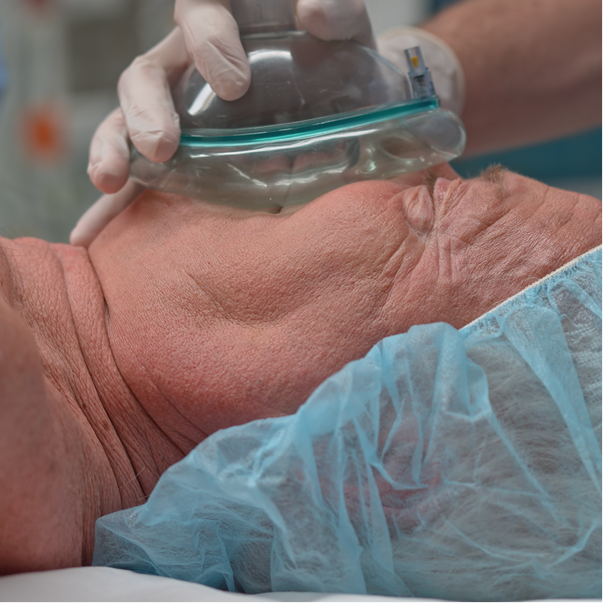
AKI is not only associated with poor outcomes and increased length of stay, but can also increase hospitalization costs ranging from $9,146 to $49,320.6

Patients typically considered lower risk are still susceptible to the adverse complications associated with IOH, including younger patients (18-39), patients with lower ASA physical status (ASA II), and patients undergoing shorter procedures.4,8,9,12

study graphic

In a multicenter retrospective study of over 300,000 non-cardiac surgeries, there was no apparent safe amount of intraoperative hypotension.4

Is there a safe amount of hypotension?

Depth and duration matter

Hypotension is not only common—non-cardiac surgical patients are also experiencing significant amounts. The depth and duration of hypotension directly correlates with the level of patient harm, making early detection and intervention essential.


Patients who experienced IOH while undergoing non-emergency, non-cardiac surgery at community anesthesia practices spent an average of 36.2 minutes with a MAP <65 mmHg.*7

Read the study

A systematic review of 42 studies found strong associations between prolonged durations of exposure to lower MAPs during non-cardiac surgery and increased risk of adverse postoperative outcomes.5

Read the systematic review

The Perioperative Quality Initiative-3 (POQI) consensus statement reinforced that injury is a function of IOH severity and duration.1

Read POQI-3 consensus

*In an observational study where hypotension was defined as MAP <65 mmHg for ≥15 cumulative minutes.  

Relevant research 

Explore the research

For a review of the associations between IOH and risk of adverse clinical outcomes, see the list of published studies below.

  • Gregory A, Stapelfeldt WH, Khanna AK, et al. Intraoperative hypotension is associated with adverse clinical outcomes after noncardiac surgery. Anesth Analg. 2021;132(6):1654-1665.
  • Wesselink EM, Kappen TH, Torn HM, et al. Intraoperative hypotension and the risk of postoperative adverse outcomes: A systematic review. Br J Anaesth. 2018;121(4):706-721.
  • Shah NJ, Mentz G, Kheterpal S, et al. The incidence of intraoperative hypotension in moderate to high risk patients undergoing non-cardiac surgery: A retrospective multicenter observational analysis. J Clin Anesth. 2020;66:109961.
  • Futier E, Lefrant JY, Guinot PG, et al. Effect of individualized vs standard blood pressure management strategies on postoperative organ dysfunction among high-risk patients undergoing major surgery: A randomized clinical trial. JAMA. 2017;318(14):1346-1357.
  • Smeltz AM, Cooter M, Rao S, et al. Elevated pulse pressure, intraoperative hemodynamic perturbations, and acute kidney injury after coronary artery bypass grafting surgery. J Cardiothorac Vasc Anesth. 2018;32(3):1214-1224.
  • Hallqvist L, Granath F, Fored M, et al. Intraoperative hypotension is associated with acute kidney injury in noncardiac surgery: An observational study. Eur J Anaesthesiol. 2018;35(4):273-279.
  • Vernooij LM, van Klei WA, van Wolfswinkel L, et al. Different methods of modelling intraoperative hypotension and their association with postoperative complications in patients undergoing non-cardiac surgery. Br J Anaesth. 2018;120(5):1080-1089.
  • Abbott TEF, Pearse RM, Archbold RA, et al. A prospective international multicentre cohort study of intraoperative heart rate and systolic blood pressure and myocardial injury after noncardiac surgery: Results of the VISION study. Anesth Analg. 2018;126(6):1936-1945.
  • Maheshwari K, Turan A, Mao G, et al. The association of hypotension during non-cardiac surgery, before and after skin incision, with postoperative acute kidney injury: A retrospective cohort analysis. Anaesthesia. 2018;73(10):1223-1228.
  • Sun LY, Wijeysundera DN, Tait GA, et al. Defining an intraoperative hypotension threshold in association with stroke in cardiac surgery. Anesthesiology. 2018;129(3):440-447.
  • Saugel B, Kouz K, Meidert AS, et al. Automated ambulatory blood pressure measurements and intraoperative hypotension in patients having noncardiac surgery with general anesthesia: A prospective observational study. Anesthesiology. 2019;131(1):74-83.
  • Mathis MR, Khanna AK, Freundlich RE, et al. Preoperative risk and the association between hypotension and postoperative acute kidney injury. Anesthesiology. 2020;132(3):461-475.
  • Naylor AJ, Gelb AW, Baxter MG, et al. Arterial catheters for early detection and treatment of hypotension during major noncardiac surgery: A randomized trial. Anesth Analg. 2020;131(5):1540-1550.
  • Ahuja S, Mascha EJ, Yang D, et al. Associations of intraoperative radial arterial systolic, diastolic, mean, and pulse pressures with myocardial and acute kidney injury after noncardiac surgery: A retrospective cohort analysis. Anesthesiology. 2020;132(2):291-306.
  • Sessler DI, Meyhoff CS, Zimmerman NM, et al. Perioperative Quality Initiative consensus statement on intraoperative blood pressure, risk and outcomes for elective surgery. Br J Anaesth. 2019;122(5):563-574.
  • Ono M, Brady K, Easley RB, et al. Blood pressure excursions below the cerebral autoregulation threshold during cardiac surgery are associated with acute kidney injury. Crit Care Med. 2013;41(2):464-471.
  • Ono M, Arnaoutakis GJ, Fine DM, et al. Duration and magnitude of blood pressure below cerebral autoregulation threshold during cardiopulmonary bypass is associated with major morbidity and operative mortality. J Thorac Cardiovasc Surg. 2014;147(1):483-489.
  • Hori D, Brown C, Ono M, et al. Arterial pressure above the upper cerebral autoregulation limit during cardiopulmonary bypass is associated with postoperative delirium. Br J Anaesth. 2014;113(6):1009-1017.
  • Hori D, Ono M, Rappold T, et al. Hypotension after cardiac surgery based on autoregulation monitoring leads to brain cellular injury. Ann Thorac Surg. 2015;100(2):487-493.
  • Chuan A, Flick S, Moran C, et al. Is cerebrovascular autoregulation associated with outcomes after major noncardiac surgery? A prospective observational pilot study. Acta Anaesthesiol Scand. 2019;63(1):8-17.
  • Brady KM, Lee JK, Kibler KK, et al. Personalizing the definition of hypotension to protect the brain. Anesthesiology. 2020;132(1):170-179.
  • Chan B, Aneman A. A prospective, observational study of cerebrovascular autoregulation and its association with delirium following cardiac surgery. Anaesthesia. 2019;74(1):33-44.
  • Brown CH 4th, Azman AS, Gottschalk A, et al. Effect of targeting mean arterial pressure during cardiopulmonary bypass by monitoring cerebral autoregulation on postsurgical delirium among older patients: A nested randomized clinical trial. JAMA Surg. 2019;154(9):819-826.

Stay up to date on the latest in intraoperative hypotension.

chart graphic IOH

Intraoperative hypotension is a modifiable risk factor that can, and needs to, be reduced.4,7,10

Look beyond blood pressure

Hemodynamic instability is complex, and relying solely on blood pressure measurements can lead to missed warning signs or inappropriate treatments.

The Anesthesia Patient Safety Foundation has identified hemodynamic instability as a critical patient safety issue, emphasizing the need for proactive management to prevent harm.11

perfusion

Blood pressure is the most widely used surrogate for hemodynamic instability in the perioperative period, but blood pressure alone does not reflect perfusion. By the time hypotension occurs, perfusion is often compromised.

interventions

Evidence shows that only 50% of episodes of hemodynamic instability solely require a vasopressor12—making it imperative to identify and treat the root cause for each individual patient.

variability

Given the variability of underlying causes of intraoperative hypotension across patients, targeted, personalized treatment—guided by continuous advanced hemodynamic monitoring—is essential.

Concensus recommendations
  • magnifier icon

    Predictive monitoring

    The Anesthesia Patient Safety Foundation recommends monitoring that not only provides early detection but also predicts hemodynamic instability.11

    Read APSF recommendations

  • continuous icon

    Continuous, advanced monitoring

    POQI guidelines for enhanced recovery pathways recommend advanced hemodynamic monitoring for moderate-to-high risk surgical patients.

    Learn more about POQI-1

References
  1. Sessler DI, et al. Perioperative Quality Initiative consensus statement on intraoperative blood pressure, risk and outcomes for elective surgery. Br J Anaesth. 2019.
  2. Salmasi V, et al. Relationship between intraoperative hypotension, defined by either reduction from baseline or absolute thresholds, and acute kidney injury and myocardial injury. Anesthesiology. 2017.
  3. Mascha EJ, et al. Intraoperative mean arterial pressure variability and 30-day mortality in patients having noncardiac surgery. Anesthesiology. 2015.
  4. Gregory A, et al. Intraoperative hypotension is associated with adverse clinical outcomes after noncardiac surgery. Anesth Analg. 2021.
  5. Wesselink EM, Kappen TH, Torn HM, Slooter AJC, van Klei WA. Intraoperative hypotension and the risk of postoperative adverse outcomes: a systematic review. Br J Anaesth. 2018.
  6. French WB, Shah PR, Fatani YI, et al. Mortality and costs associated with acute kidney injury following major elective, non-cardiac surgery. J Clin Anes. 2022;82:1-7.
  7. Saasouh W, Christensen AL, Xing F, et al. Incidence of intraoperative hypotension during non-cardiac surgery in community anesthesia practice: a retrospective observational analysis. Periop Med. 2023;12(29):1-10.
  8. Maleczek M, Laxar D, Geroldinger A, Kimberger O. Intraoperative hypotension is associated with postoperative nausea and vomiting in the PACU: a retrospective database analysis. J Clin Med. 2023;12(2009):1-13.
  9. Dogan L, Yildirim SA, Sarikaya T, Ulugol H, Gucyetmez B, Toraman F. Different types of intraoperative hypotension and their association with post-anesthesia care unit recovery. J Clin Med. 2023;18(1):44.
  10. Glassman SD, Carreon LY, Djurasovic M, et al. Intraoperative hypotension is an important modifiable risk factor for major complications in spinal fusion surgery. Spine. 2025;50(10):720-727.
  11. Scott MJ, APSF HIWG. Perioperative patients with hemodynamic instability: Consensus recommendations of the Anesthesia Patient Safety Foundation. Anesth Analg. 2024;138(4):713-724.
  12. Ripollés-Melchor J, Valbuena-Bueno MA, Fernández-Valdés-Bango P, et al. Characterization of intraoperative hemodynamic instability in patients undergoing general anesthesia. Front Anesthesiol. 2024;3:1405405.
Hemosphere Alta monitor with HPI dashboard screen display

What if you could predict and prevent hypotension?


What if you could identify the potential root cause and intervene sooner?
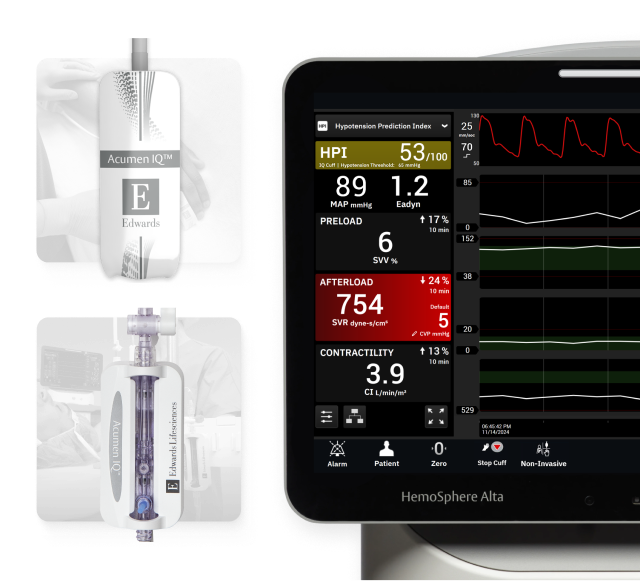
Hemosphere Alta monitor with HPI dashboard screen display

Unlock the power of predictive care with Acumen HPI™ Software.

Acumen Hypotension Prediction Index™ (HPI™) Software provides earlier warnings, deeper insights, and more time to act, helping you stay ahead of hemodynamic instability. With advanced predictive intelligence, it’s a smarter way to monitor and personalize care for your patient’s needs.
Card Image

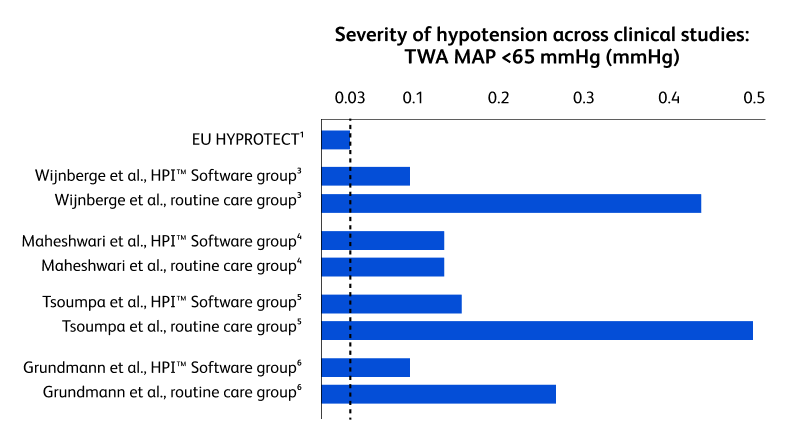
The EU HYPROTECT study demonstrated that patients monitored with Acumen HPI™ Software experienced a low incidence, duration  and severity of hypotension.*1

Low incidence of hypotension

41% of patients avoided hypotension when monitored with Acumen HPI™ Software, compared to 12% of patients in another large multicenter study where Acumen HPI™ Software was not used. *1,2

Brief duration of hypotension

Patients in this study experienced approximately 2 minutes of hypotension, or 1% of surgery time, compared with 28 minutes in another large multicenter study where Acumen HPI™ Software was not used.*1,2

Low severity of hypotension

Patients monitored with Acumen HPI™ Software experienced a very low TWA MAP <65 mmHg at 0.03. The TWA MAP <60 mmHg was 0.*1

*Multicenter, prospective, observational study of patients across 5 EU countries monitored with Acumen IQ™ Arterial Line Sensor where hypotension was defined as >1 min below MAP 65 mmHg

Hemosphere Alta monitor with HPI dashboard screen display

Understanding IOH in your practice

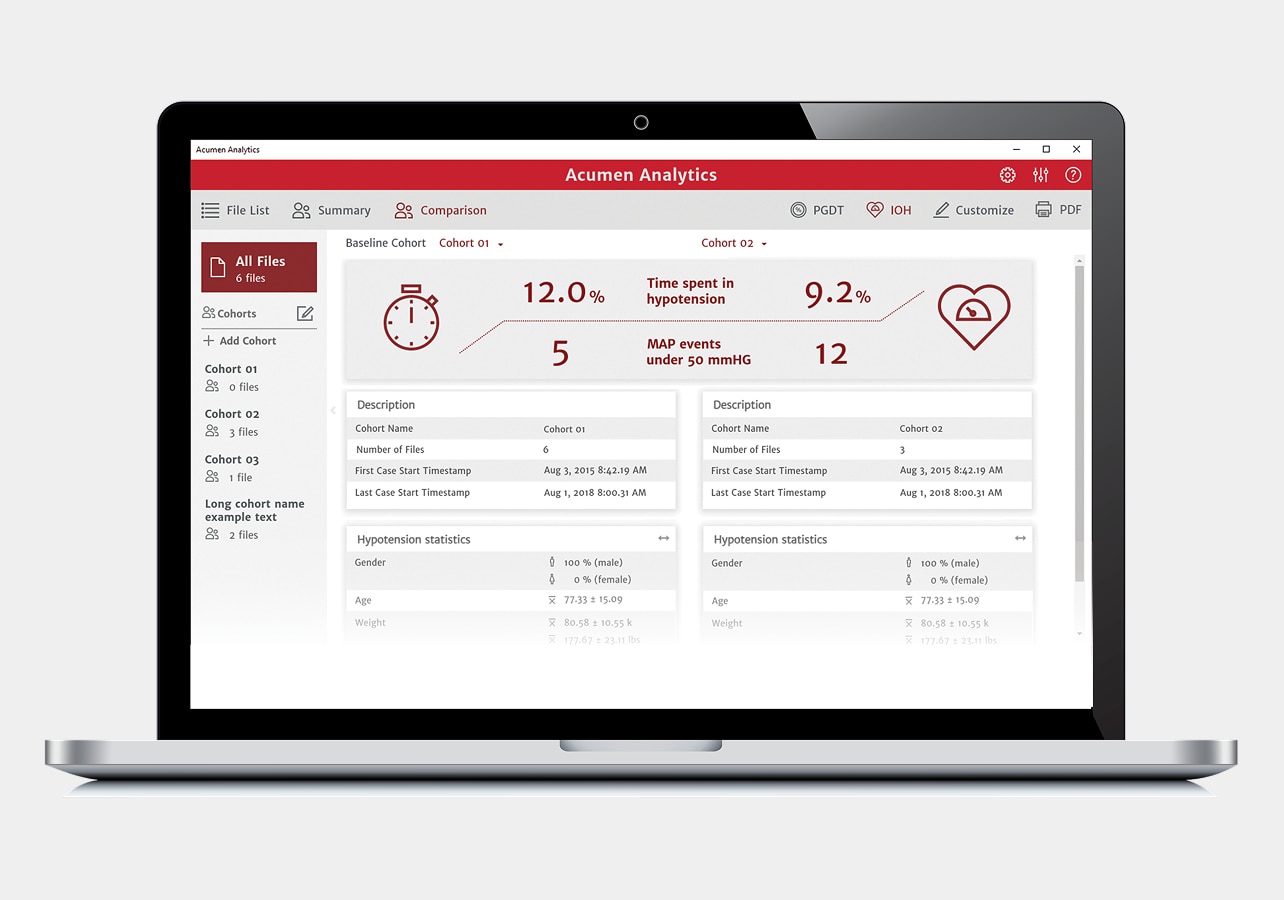
Acumen Analytics™ Software enables you to retrospectively view and analyze hemodynamic parameters including mean arterial pressure, providing you insights into the frequency, duration, and prevalence of intraoperative hypotension in your practice.

Request To View Data For Your Practice

Resources

Take a closer look at IOH

Hemodynamic education empowering clinical advancement

With a long-term commitment to improving quality of care, BD provides a continuum of resources to support clinicians.

Explore educational resources

References
  1. Kouz K, Garcia MIM, Cerutti E, et al. Intraoperative hypotension when using hypotension prediction index software during major noncardiac surgery: A European multicentre prospective observational registry (EU HYPROTECT). BJA Open. 2023;6:100140.

  2. Shah N, Mentz G, Kheterpal S. The incidence of intraoperative hypotension in moderate to high risk patients undergoing non-cardiac surgery: A retrospective multicenter observational analysis. J Clin Anesth. 2020;66:1-12.

  3. Wijnberge M, Geerts BF, Hol L, et al. Effect of a machine learning-derived early warning system for intraoperative hypotension vs standard care on depth and duration of intraoperative hypotension during elective noncardiac surgery: the HYPE randomized clinical trial. JAMA. 2020;323(11):1052-1060.

  4. Maheshwari K, Shimada T, Yang D, et al. Hypotension Prediction Index for prevention of hypotension during moderate- to high-risk noncardiac surgery. Anesthesiology. 2020;133(6):1214-1222.

  5. Tsoumpa M, Kyttari A, Matiatou S, et al. The use of the Hypotension Prediction Index integrated in an algorithm of goal-directed hemodynamic treatment during moderate- and high-risk surgery. J Clin Med. 2021;10(24):5884.

  6. Grundmann CD, Wischermann JM, Fassbender P, et al. Hemodynamic monitoring with Hypotension Prediction Index versus arterial waveform analysis alone and incidence of perioperative hypotension. Acta Anaesthesiol Scand. 2021;65(10):1404-1412.

Let's have a conversation

Fill out our form to have one of our hemodynamics experts contact you

Intraoperative Hypotension
Request a demo or get in touch with a sales representative today.

CAUTION: Federal (United States) law restricts this device to sale by or on the order of a physician.
See instructions for use for full prescribing information, including indications, contraindications, warnings, precautions and adverse events.


true
true
Intraoperative Hypotension Thumbnail Image Administrator,Anesthesiologist,Distributor,Gastroenterologist,Gynecologist,Hospital,Nurse,Outpatient facility,Surgeon,Urologist,Clinician BD Advanced hemodynamic monitoring, hemodynamic monitoring solutions, advanced patient monitoring, hemodynamic monitoring system, hemodynamic monitoring devices logo

Even brief episodes of intraoperative hypotension (IOH) may lead to lasting harm