Critical Insights
In this video, Dr. Charles Hogue discusses the variable nature of autoregulation limits and the importance of intraoperative monitoring for individualized blood pressure management.
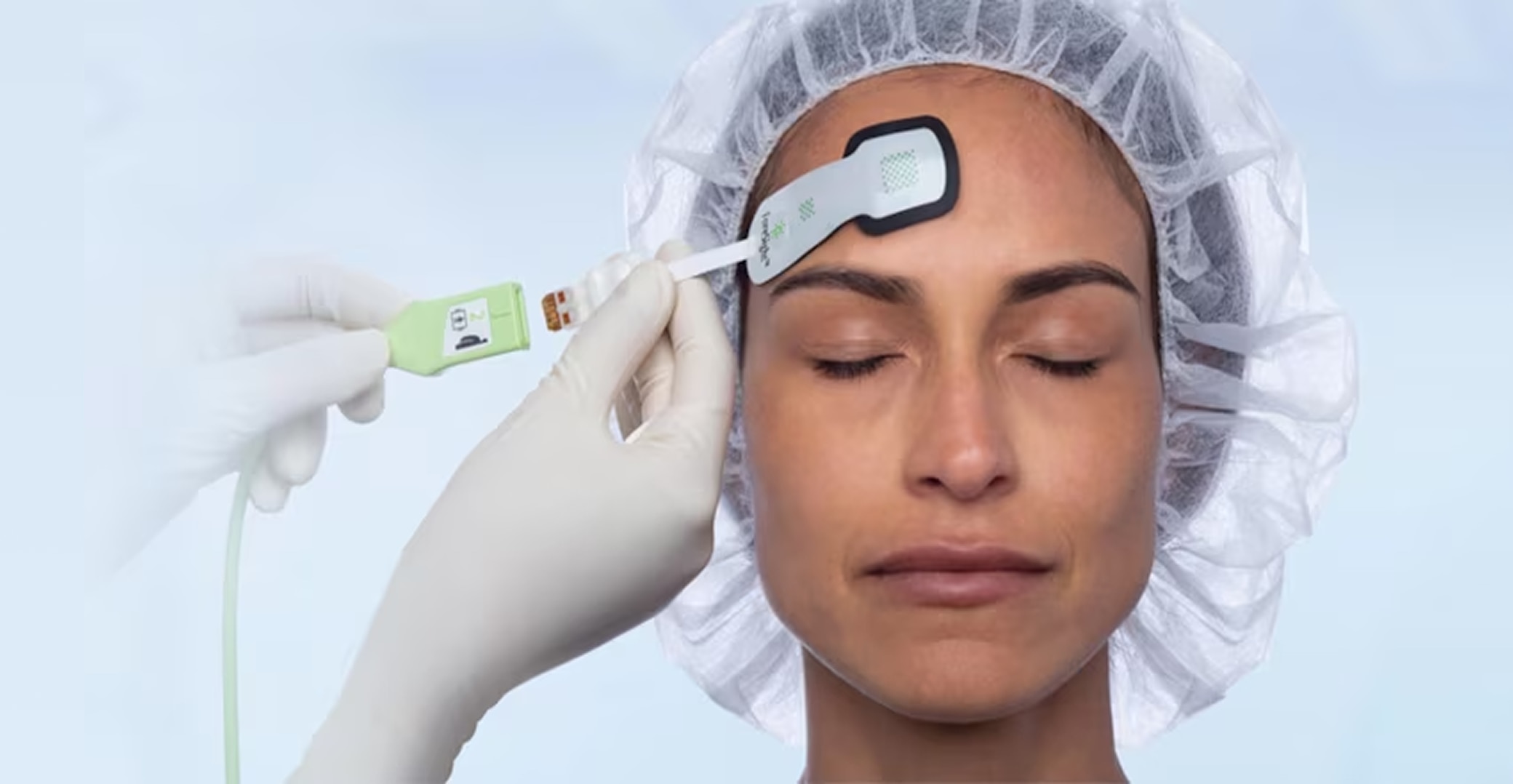


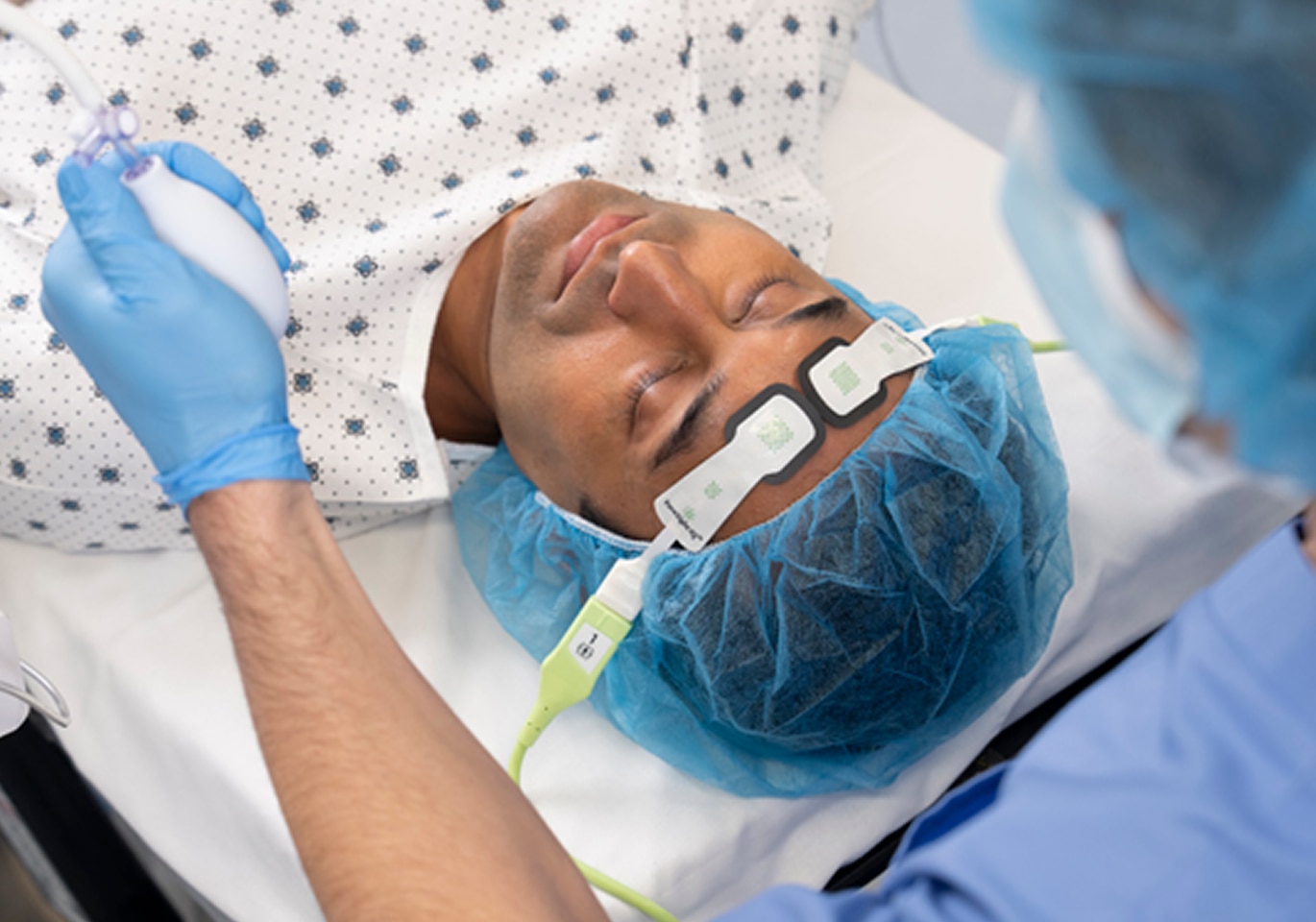
Tissue desaturations are common, critical and treatable.
With ForeSight™ Sensor Portfolio, you gain continuous, advanced insights to help protect patients from tissue desaturations. Our portfolio offers flexible sensor configurations to support varying patient sizes and monitoring needs, from neonates to adults.
The right monitoring makes a difference—for all your patients' differences
Designed with patient differences in mind, ForeSight™ Sensor Portfolio is engineered with core technology that provides real-time, advanced tissue oximetry insights to support individualized patient care.*
*When used with compatible monitor.

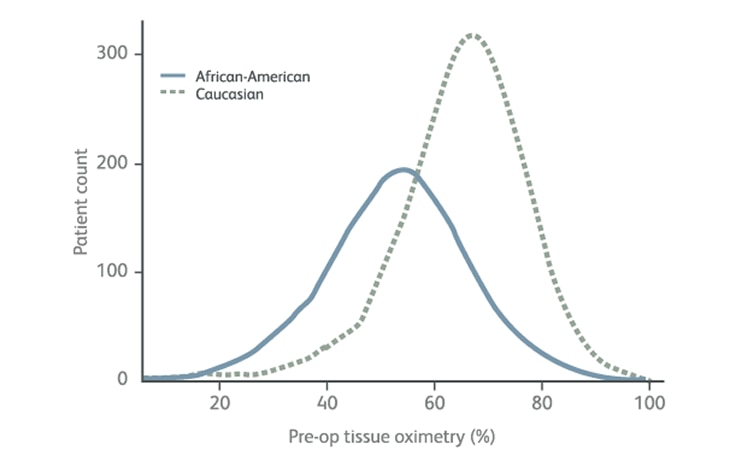
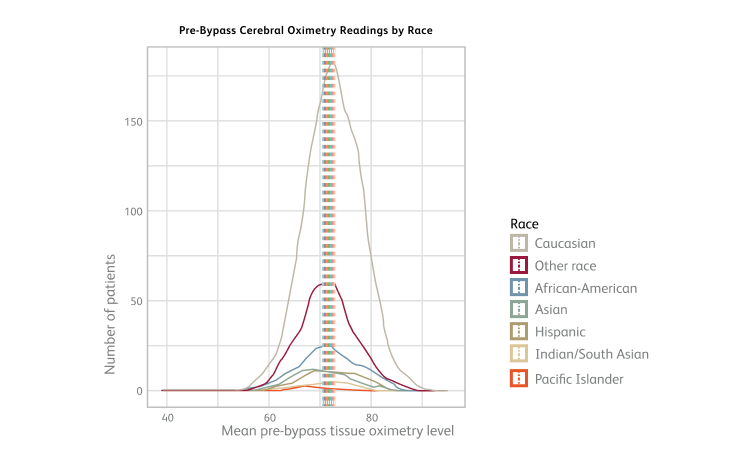
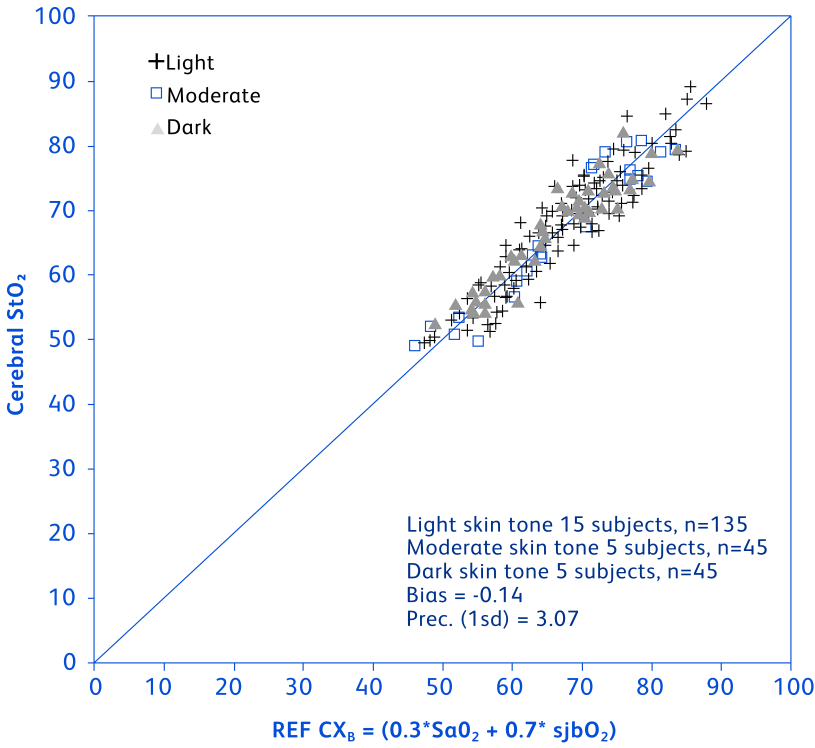
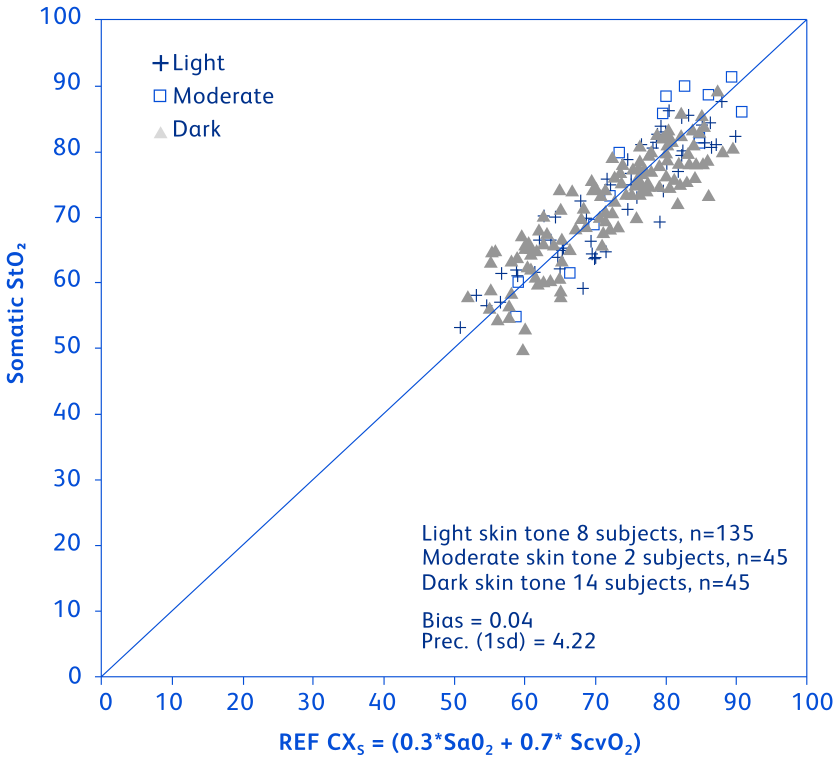
An exclusive fifth wavelength of near‑infrared light designed to account for patient‑to‑patient differences, including varying skin tones and bilirubin concentrations—enabling reliable StO₂ measurements.

Algorithm calibrated and validated to both cerebral and somatic regions.

Four sensor configurations, each optimized to match the target tissue depth of your patients, with controlled testing showing the lowest sensor‑to‑skin temperature rise versus other NIRS sensors.1

Updates StO₂ measurements every 2 seconds, delivering real-time insights to support patient care.
1. Data on file. Bench testing conducted in a controlled environment on behalf of BD. These results may not fully reflect clinical performance.
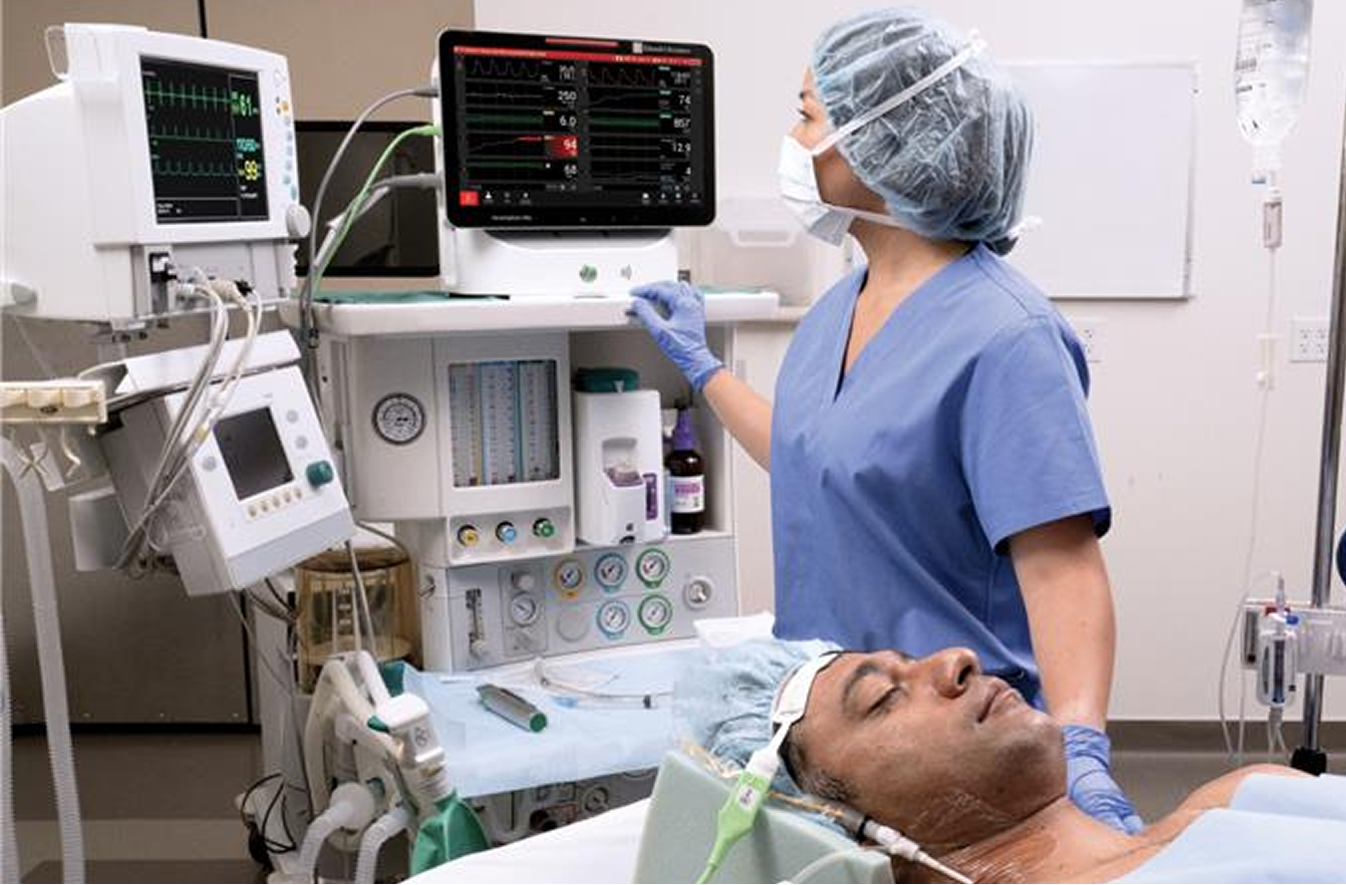
Next generation of monitoring
Trend multiple compatible sensors together for a comprehensive view of hemodynamics—helping you better understand and treat the source of hemodynamic instability. When used with HemoSphere Alta™ Monitor, ForeSight IQ™ Sensor enables actionable, continuous tissue oximetry insights powered by exclusive, innovative algorithms.
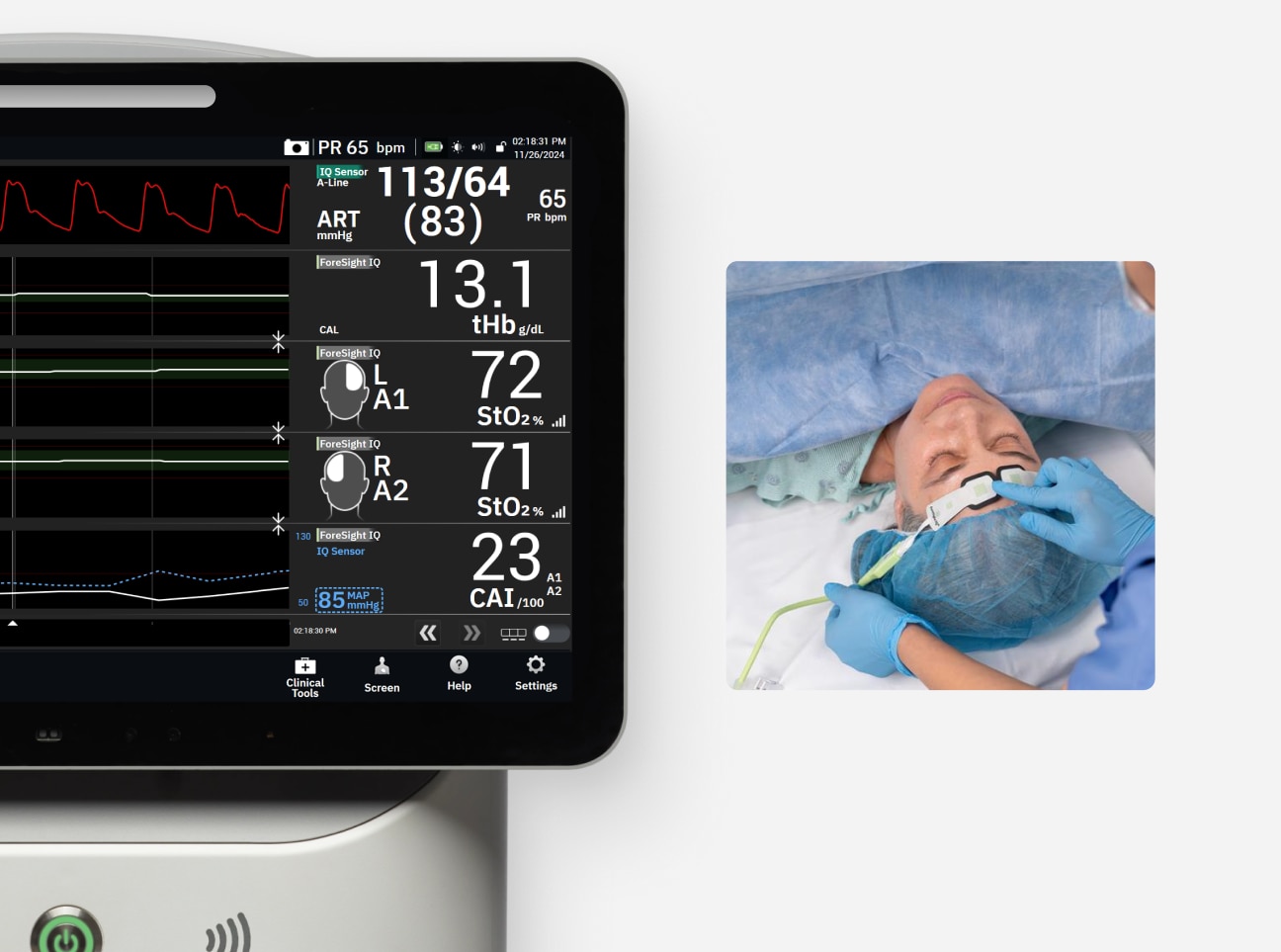
Algorithms for proactive, individualized care
ForeSight IQ™ Sensor is the next generation tissue oximetry (StO2) sensor that builds on the proven capabilities of ForeSight™ Sensor Portfolio. Now with HemoSphere Alta™ Monitor, you can unlock two additional smart algorithms to continuously assess your patient’s cerebral autoregulation status and total hemoglobin levels.
The body naturally protects the brain through autoregulation.
Cerebral autoregulation protects brain health by maintaining cerebral blood flow and oxygen delivery despite fluctuations in blood pressure, primarily through vasoconstriction or vasodilation of the cerebral vasculature. This protective mechanism has limits. In adults, autoregulation was traditionally thought to be maintained between mean arterial pressures of approximately 50 mmHg and 150 mmHg; however, research has shown that these thresholds vary significantly between individuals. Outside this range, perfusion becomes pressure dependent, increasing the risk of hypo-or hyperperfusion, both of which are associated with significant complications.*
*This claim is not attributable to ForeSight IQ™ Sensor.
Critical Insights
In this video, Dr. Charles Hogue discusses the variable nature of autoregulation limits and the importance of intraoperative monitoring for individualized blood pressure management.
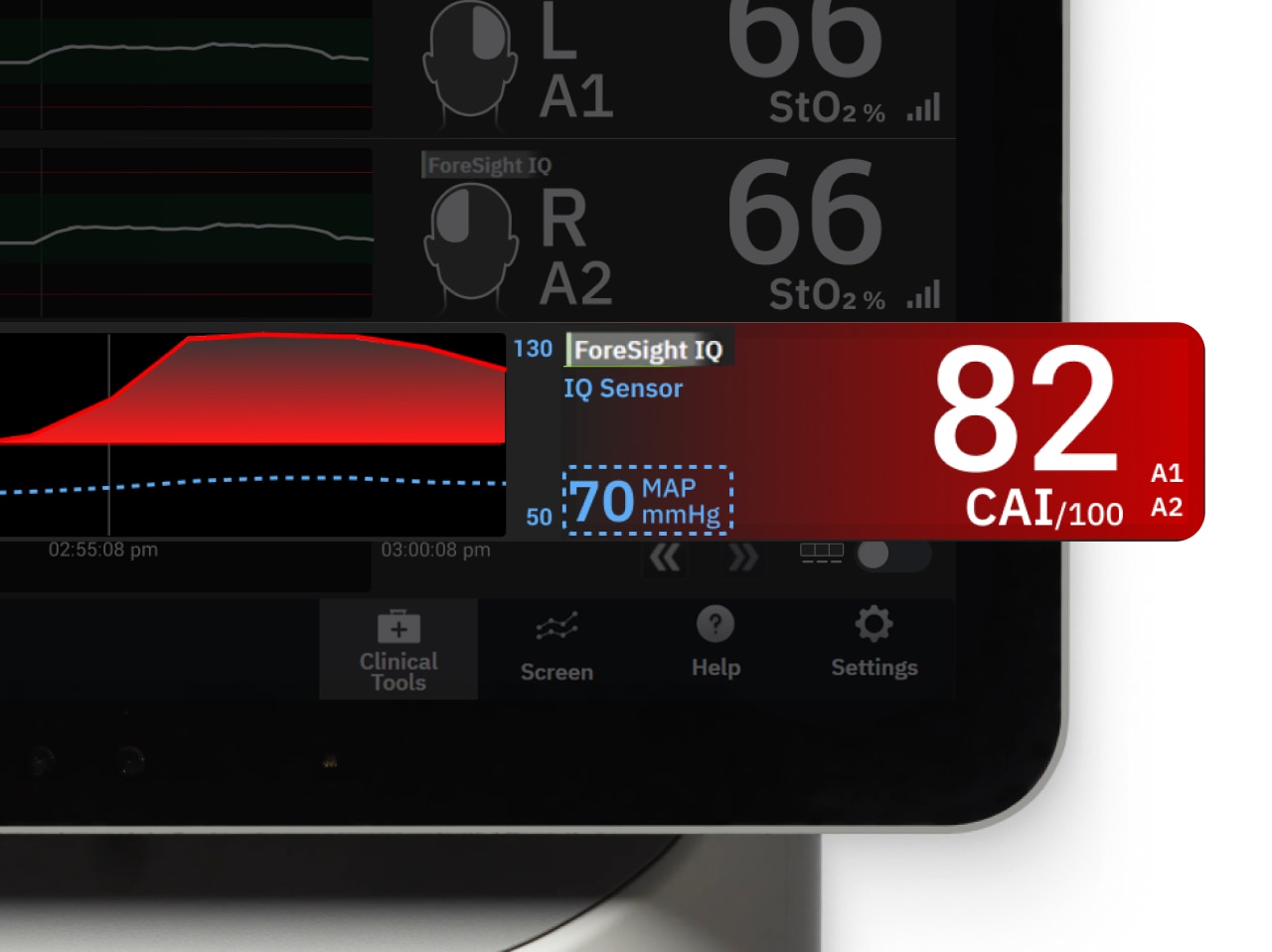
Cerebral Autoregulation Index (CAI)
Smarter insights to monitor brain health.
Designed to continuously assess cerebral autoregulation, CAI serves as a surrogate indicator of whether autoregulation is likely intact (CAI <45) or impaired (CAI ≥45). It evaluates the dynamic relationship between cerebral blood flow and cerebral perfusion pressure by continuously assessing the coherence between StO₂ and MAP.
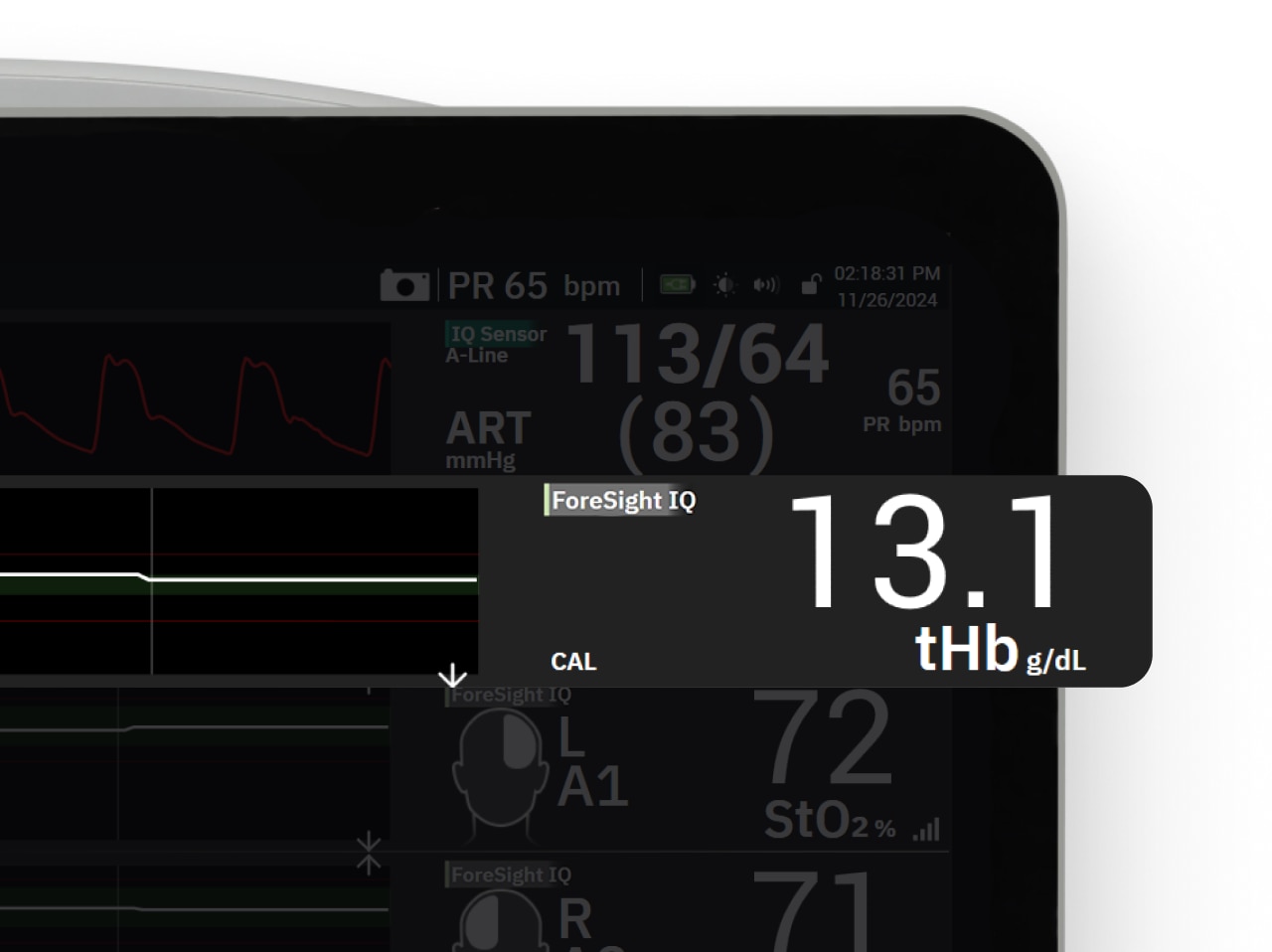
Continuous Total Hemoglobin (tHb)
Greater insights into hemoglobin changes
ForeSight IQ™ Sensor unlocks a smart algorithm to monitor continuous total hemoglobin (tHb), delivering accurate, noninvasive measurements every two seconds. tHb enables continuous trending of hemoglobin changes that may support clinicians in assessing transfusion needs and identifying unseen bleeding.
ForeSight™ Sensor Portfolio is designed with core technology and 4 sensor configurations for noninvasive, continuous tissue oximetry (StO2) monitoring.

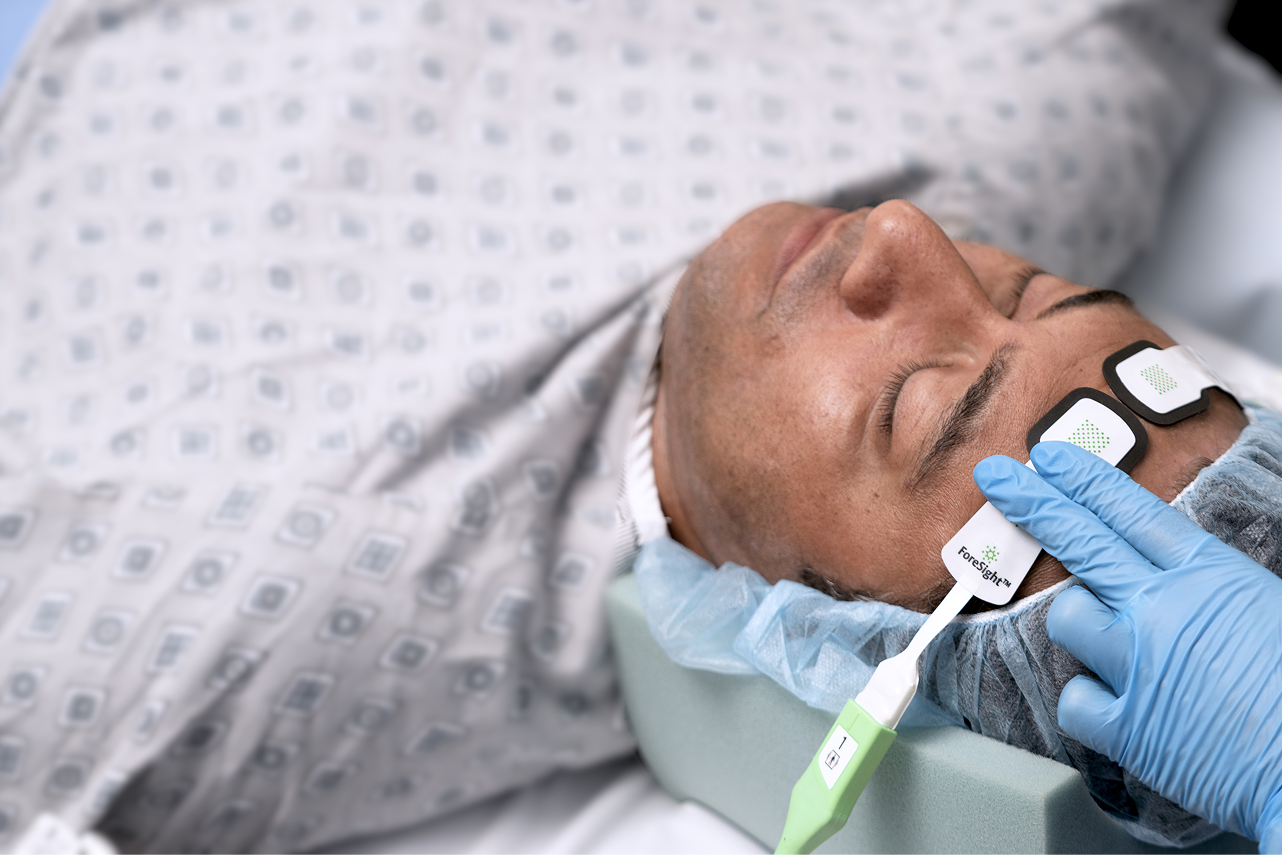
ForeSight™ Sensor
Absolute measures, actionable insights
ForeSight™ Sensor is built on our core technology that delivers continuous, absolute StO₂ readings where pre‑induction baselines are optional—offering flexibility to set treatment thresholds and trend from patient‑specific baselines. Its exclusive five‑wavelength technology, sensor design and site‑specific algorithm help you assess both cerebral and somatic tissue oxygenation.
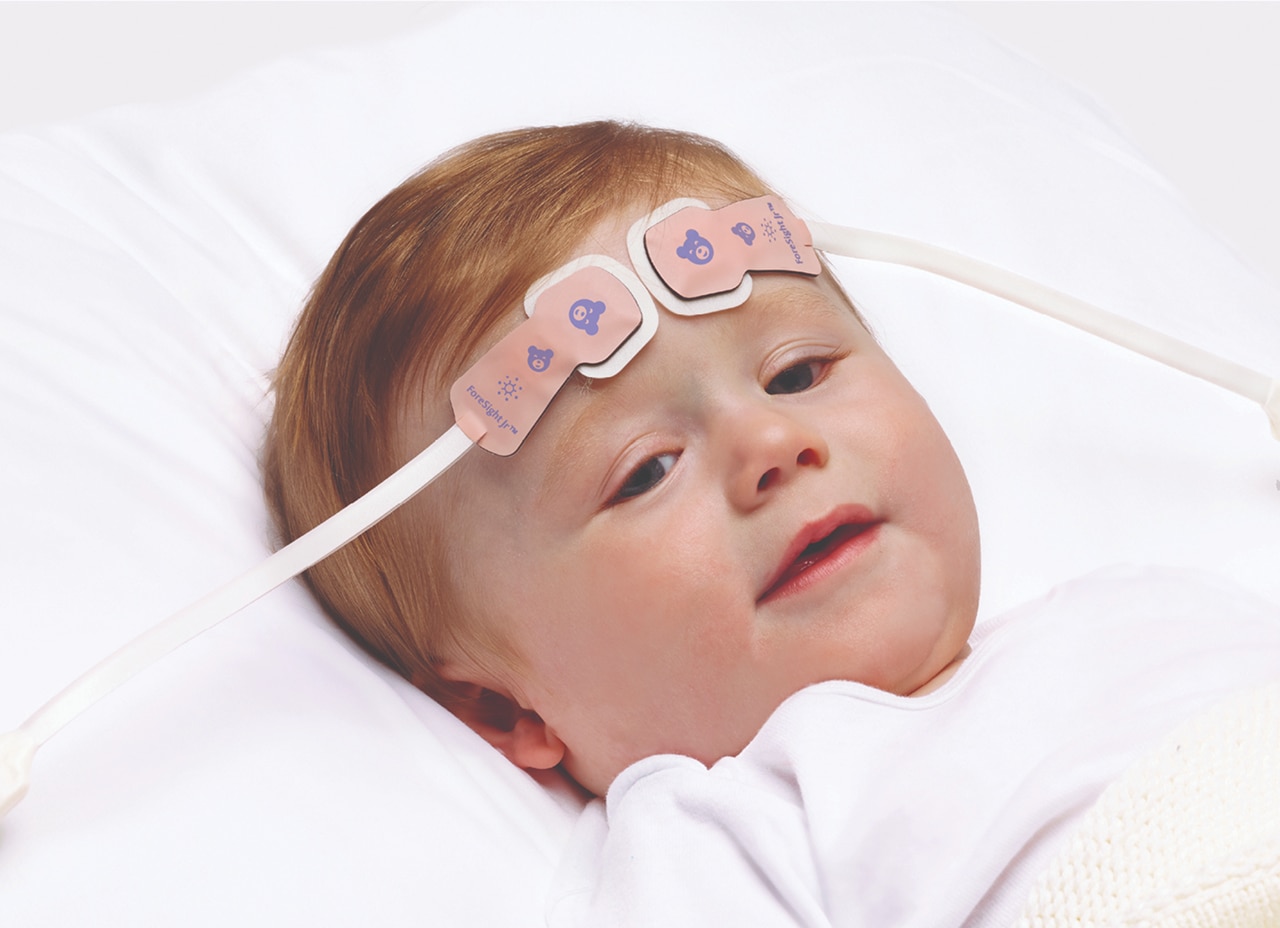
ForeSight Jr™ Sensor
Helping you protect a lifetime of potential
ForeSight Jr™ Sensor features a patented cushioning layer designed to soften surface contact and help mitigate pressure points. With its core technology and three sensor configurations, ForeSight Jr™ Sensor delivers a reliable, accurate StO2 monitoring solution for pediatric patients—from neonates to teenagers.
ForeSight™ Sensor Portfolio
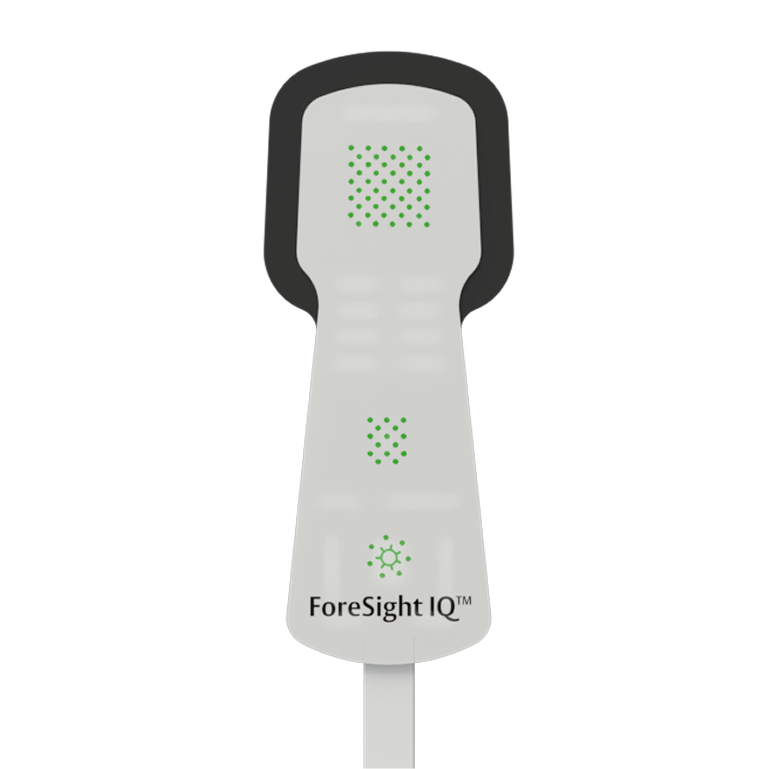
Large Sensors (Adult)
Cerebral: Patients ≥40 kg
Non-cerebral: Patients ≥40 kg
Depth of penetration: 2.5 cm
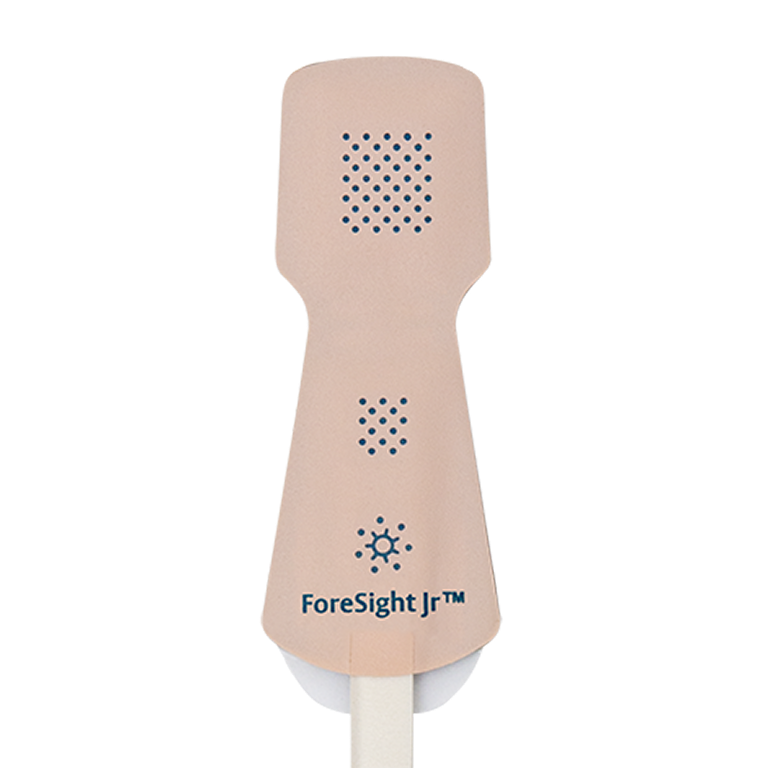
Medium Sensors (Pediatric)
Cerebral: Patients ≥3 kg up to 18 y/o
Non-cerebral: Patients ≥3 kg
Depth of penetration: 2 cm
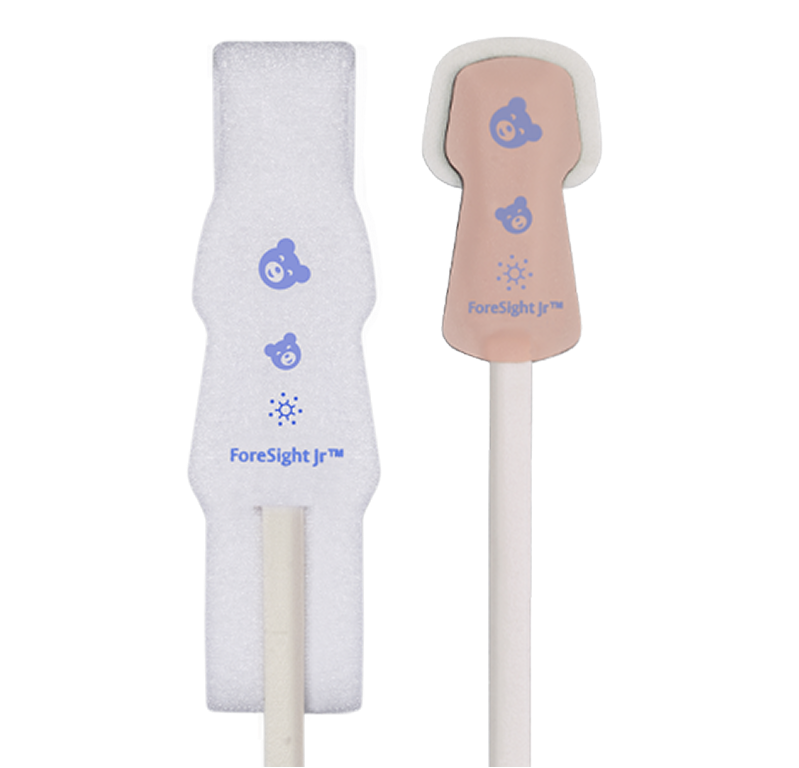
Small Sensors (Pediatric)
Cerebral: Patients <8 kg
Non-cerebral: Patients <5 kg
Depth of penetration: 1.25 cm
Validated to penetrate 25% deeper than other technologies
Research shows that a 2cm depth of penetration is insufficient for accurate measurement of StO2 in some adult cardiac patients with a deeper scalp-to-cortex distance.3 Our adult sensors are designed to penetrate deeper. At 2.5cm, our technology can provide reliable readings for patients with greater than 2cm scalp-cortex distance.

Validated accuracy for cerebral and somatic sites with large sensor
| Site Location | Cerebral | Somatic |
| Wt. Range (IFU) | ≥40 kg | ≥40 kg |
| Accuracy (Bias ± Precision @1sd)* | –0.06±3.25
| –0.12±4.15
–0.12±4.17† |
| StO2 Test Range | 46 to 88% | 51 to 92% |
*Accuracy (Bias ± Precision) not determined outside of the listed ranges
†Depenedent Data Bland-Altman

Access our extensive collection of informative product and educational resources, designed to keep you informed and help you achieve excellence.

BD Advanced Patient Monitoring is here to help you stay on top of the latest clinical challenges and make the most of hemodynamic monitoring solutions.
CAUTION: Federal (United States) law restricts this device to sale by or on the order of a physician.
See instructions for use for full prescribing information, including indications, contraindications, warnings, precautions and adverse events.