

infectious respiratory diseases at a glance
Partner with BD to support the development of your combination drug product for infectious respiratory diseases

infectious respiratory diseases at a glance
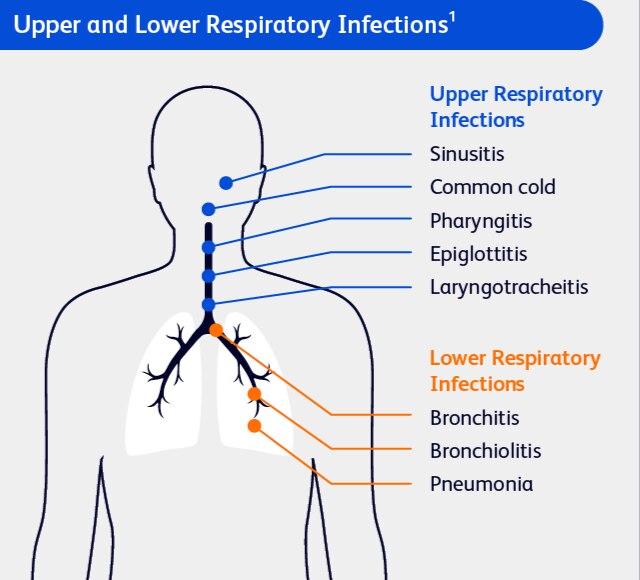
Respiratory tract infections are typically transmitted via small respiratory droplets and aerosols carrying pathogens. Examples: Influenza, Pneumonia, Respiratory Syncytial Virus and COVID-191,2
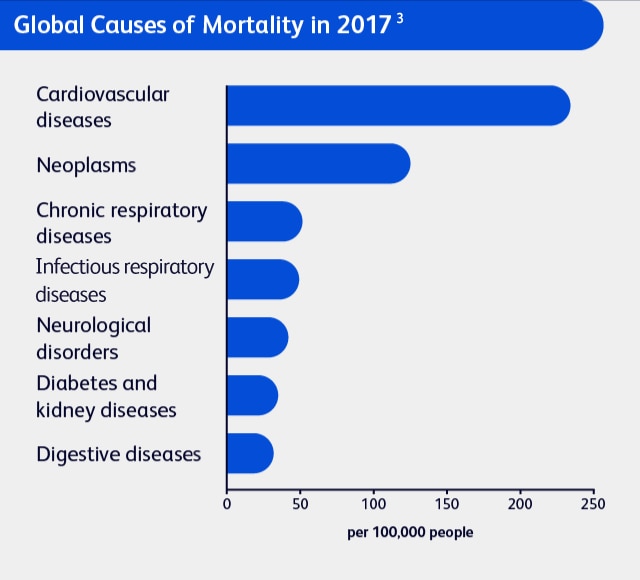
Worldwide, respiratory infections remain a leading cause of mortality.
There are currently 2 major challenges for Vaccination against respiratory infections.
First, we are potentially entering a new era of infectious disease, defined by outbreaks of emerging, re-emerging and endemic pathogens that are capable of spreading quickly, thanks to global connectivity and shifted ranges owing to climate change.4
Second, the recent COVID-19 pandemic brought the issue of vaccine hesitancy back into focus.
Triggered by these challenges, the vaccine landscape is changing with a need to emphasize on:5

Innovative technologies such as mRNA, conjugated and nanoparticle vaccines, for prophylaxis and for treatment

Needle-free vaccination

Switching from vial to prefillable syringes

A shorter vaccine development cycle to ensure accurate targeting and improved vaccination efficiency

Supply continuity

Accelerated time to market with a derisking approach
(Technical and Regulatory expertise etc.)

Understanding vaccine hesitancy.6
Nasal vaccines induce immunity both locally and systemically, enabling the prevention of pathogen invasion at mucosal surfaces, limiting viral replication and transmission, reducing disease severity.7,8,9

In addition, a high-performing spray device will reduce the amount of antigen, needed to elicit reliable protection.10

Improved patient (children and parents) acceptability over injectable vaccines11

Healthcare workers considered it easy to vaccinate children with BD Accuspray™ Nasal Spray System12

Eliminated risk of needle-stick injury
A pertinent challenge for nasal vaccines includes formulating a recipe that induces an efficient immune response. It is also important that the administering device allows the vaccine to reach the mucosal immune targets.

Non-reusable, single use nasal sprayer for either a monodose or bidose* administration

Preferred alternative to injectable vaccination13

Ease of administration12

Design based on BD Hypak™ Glass PFS for easy implementation on filling lines
*if the dose divider is used
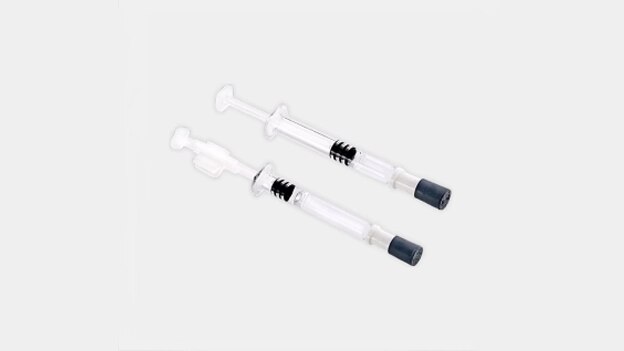
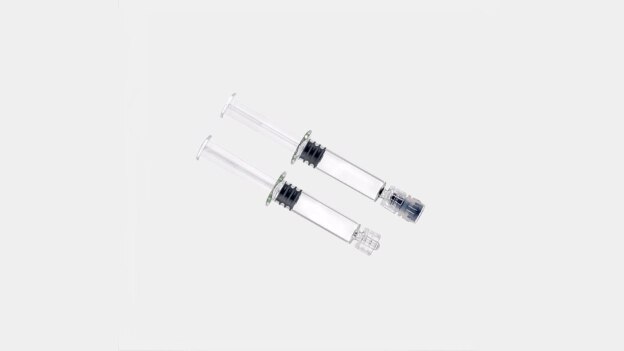
BD Effivax™ Glass Prefillable Syringe for Vaccines
BD Accuspray™ Nasal Spray with BD Hypak™ Glass Prefillable Syringe technology for nasal drug delivery
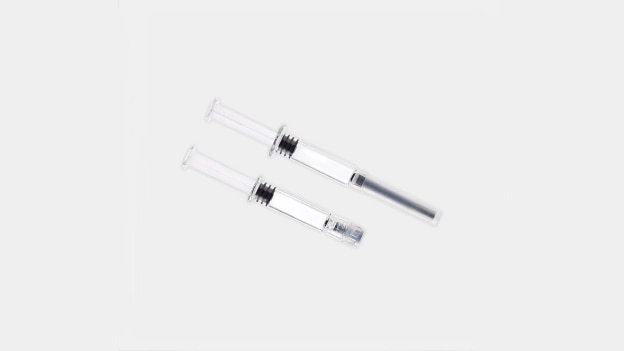
BD Hypak™ for Vaccines Glass Prefillable Syringe
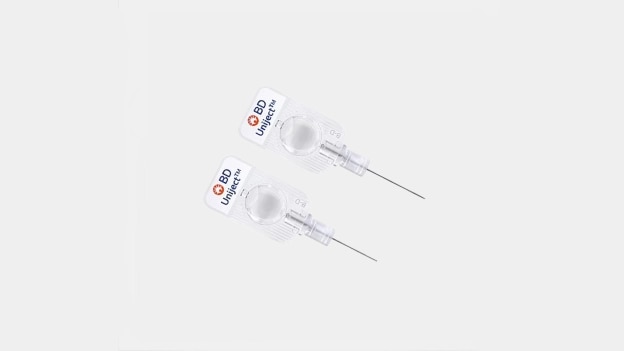
BD Uniject™ Auto-Disable Prefillable Injection System
BD Effivax™ Glass Prefillable Syringe for Vaccines
1. Wang CC, Prather KA, Sznitman J, Jimenez JL, Lakdawala SS, Tufekci Z, Marr LC. Airborne transmission of respiratory viruses. Science. 2021 Aug 27;373(6558):eabd9149. doi: 10.1126/science.abd9149. PMID: 34446582; PMCID: PMC8721651.
2. Dhand R, Li J. Coughs and Sneezes: Their Role in Transmission of Respiratory Viral Infections, Including SARS-CoV-2. Am J Respir Crit Care Med. 2020 Sep 1;202(5):651-659. doi: 10.1164/rccm.202004-1263PP. PMID: 32543913; PMCID: PMC7462404.
3. Huang G, Guo F. Loss of life expectancy due to respiratory infectious diseases: findings from the global burden of disease study in 195 countries and territories 1990-2017. NIH . J Popul Res (Canberra). 2022;39(1):1-43 DOI: 10.1007/s12546-021-09271-3
4. Baker R, Mahmud A, Miller I, et al. Infectious disease in an era of global change. Nat Rev Microbiol. 2022;20(4):193-205. doi:10.1038/s41579-021-00639-z. Epub 2021 Oct 13. PMID: 34646006; PMCID: PMC8513385.
5. From internal data below vaccine market trends, Situation Analysis FY24
6. Aranda, S. Ten threats to global health in 2019. World Health Organisation (WHO) 1 1(2019) REF-69045 Ten threats to global health in 2019
7. Yoshiko Fukuyama et al., Novel vaccine development strategies for inducing mucosal immunity NIH Public Access Expert Rev Vaccines. 2012 March; 11 (3 ): 367–379. doi:10 .1586 /erv .11 .196.
8. Yusuf & Kett, Current prospects and future challenges for nasal vaccine delivery - 2016 - Current prospects and future challenges for nasal vaccine delivery
9. Al Halifa et al. Nanoparticle-Based Vaccines Against Respiratory Viruses - Frontiers in Immunology - MINI REVIEW published: 24 January 2019 doi: 10 .3389 /fimmu .2019 .00022
10. Birkhoff M, et al. Advantages of Intranasal Vaccination and Considerations on Device Selection - Indian J Pharm Sci. 2009 Nov-Dec; 71 (6 ): 729–731
11. Kassianos et al, Review of the experiences from the first childhood influenza vaccination programme with a live attenuated influenza vaccine in England and Scotland - Drugs in Context 2015; 4: 212280. DOI: 10 .7573 /dic .212280
12. Dubé et al., April 2015, Acceptability of live attenuated influenza vaccine by vaccine providers in Quebec, Canada, Human Vaccines & Immunotherapeutics. Survey conducted to explore knowledge, attitudes and practices of 314 vaccine providers regarding use of LAIV. During the vaccination campaign, 71% responded having used LAIV. Almost all of these respondents indicated that it was easy to vaccinate children with the vaccine (57% strongly agreed).
13. Sheldon et al. Immunogenicity of a quadrivalent Ann Arbor strain live attenuated influenza vaccine delivered using a blow-fill-seal device in adults: a randomized, active-controlled study. DOI:10 .1111 /irv .12027 - 2002 - www .influenzajournal .com
14. BD internal references, EF20202208, EF20202618, EF20203052,TP20211855, TR20213724, EF20213171 BD-01- SR-01, BD-02-SR-01, BD-03-SR-01, BD Medical – Pharmaceutical Systems Le Pont de Claix, France
15. Lillian Li1 · John V. Wilkins Jr.2 et al. In Vitro Comparison of Local Nasal Vaccine Delivery and Correlation with Device