


Learn how a DIVA framework can be applied in your facility
true

- Overview
- Defining DIVA
- Economic impact
- Solutions
For patients who suffer from DIVA, every insertion attempt matters
-

Up to 90% of hospitalized patients require IV therapy1
-

Up to two-thirds of patients could be considered DIVA2
-

Multiple, painful attempts are often required to gain access for DIVA patients
-

All deserve better
How DIVA impacts the patient experience

DIVA is a commonly used term but is also known as DVA (difficult venous access) or IVAD (IV access difficulty). Despite inconsistencies in naming DIVA, the negative impact of repeated vascular access attempts on patients is misunderstood. DIVA is known to:
- Increase patient pain3
- Cause delays to treatment4
- Potentially impact overall satisfaction with care3
Pain is one of the most common reasons reported behind needle phobia—a condition that 63.2% of recent study participants reported experiencing, and has the potential to cause blood draw avoidance, vaccination hesitancy and non-compliance with injection treatments.5
- Helm RE, Klausner JD, Klemperer JD, Flint LM, Huang E. Accepted but unacceptable: peripheral IV catheter failure. J Infus Nurs. 2015;38(3):189-203. doi:10.1097/NAN.0000000000000100.
- Bahl A, Johnson S, Alsbrooks K, Mares A, Gala S, Hoerauf K. Defining difficult intravenous access (DIVA): A systematic review. J Vasc Access. Published online November 17, 2021. doi:10.1177/11297298211059648.
- Fields JM, Piela NE, Ku BS. Association between multiple IV attempts and perceived pain levels in the emergency department. J Vasc Access. 2014;15(6):514-518. doi:10.5301/jva.5000282.
- Witting MD. IV access difficulty: Incidence and delays in an urban emergency department. J Emerg Med. 2012;42(4):483-487. doi:10.1016/j.jemermed.2011.07.030.
- Alsbrooks K, Hoerauf K. Prevalence, causes, impacts, and management of needle phobia: An international survey of a general adult population. PLoS One. 2022;17(11):e0276814. Published 2022 Nov 21. doi:10.1371/journal.pone.0276814.
BD-124338 (09/24)
Defining DIVA
DIVA is defined as any patient, prior to insertion attempt, who may identify with the following:
- A physical assessment yields no visible or palpable vasculature
- A stated or documented history of difficulty obtaining vascular access
- A history of IV drug abuse
- An estimated BMI greater than 30
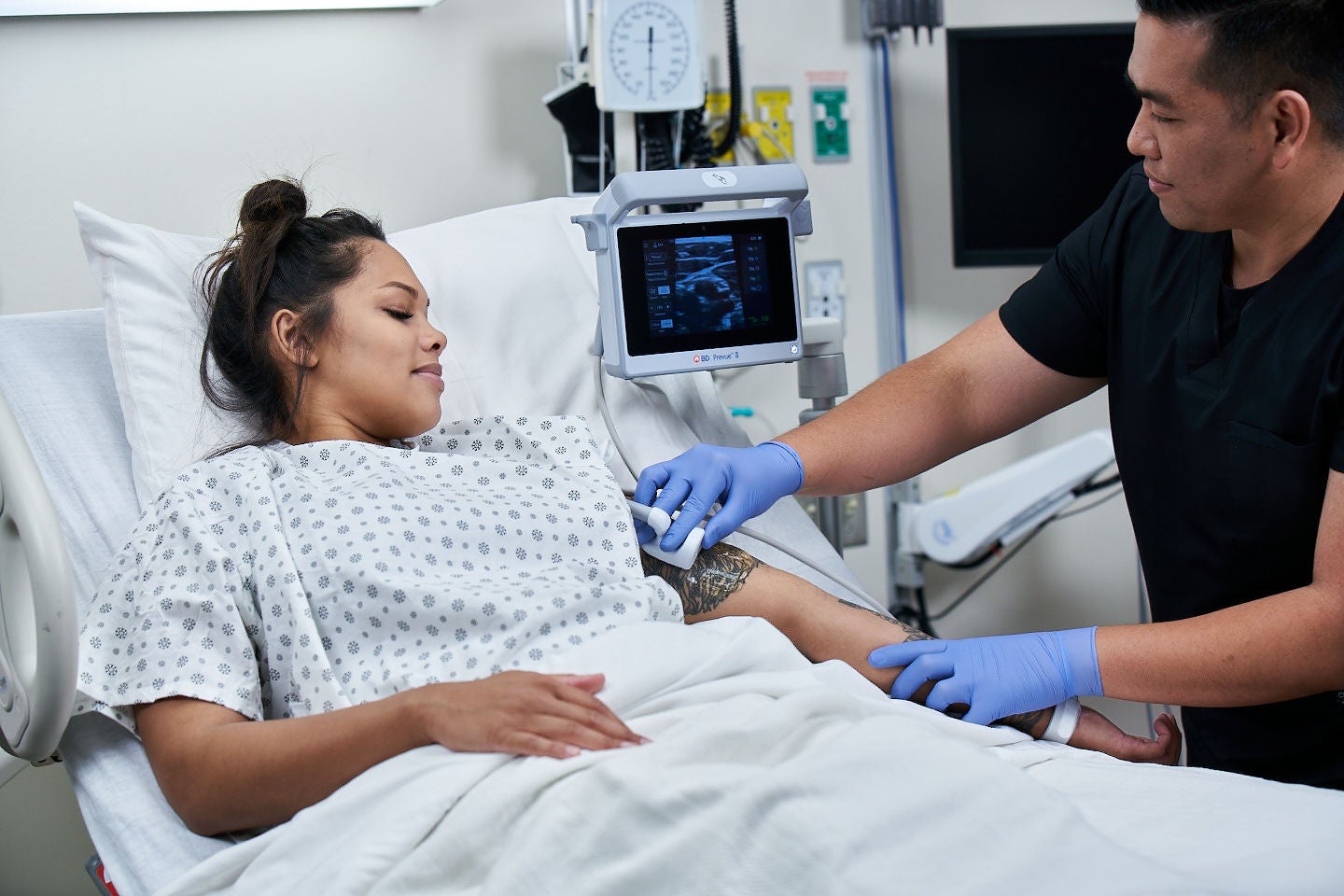
These patients should be classified as a DIVA patients and considered for escalation of advanced insertion techniques, such as the use of ultrasound.1
Keeping DIVA patients S.A.F.E.
The optimal DIVA management strategy involves screening all patients prior to any attempted vascular access device insertion.2 Consider key risk factors using the SAFE rule: See, Ask, Feel and Evaluate BMI.

See

Ask

Feel

Evaluate BMI

See: Does the patient have any visible veins?

Ask: Does the patient have a history of DIVA or IV drug abuse?

Feel: Does the patient have any palpable veins?

Evaluate BMI: Does the patient have a BMI ≥ 30
- Bahl A, Alsbrooks K, Zazyczny KA, Johnson S, Hoerauf K. An Improved Definition and SAFE Rule for Predicting Difficult Intravascular Access (DIVA) in Hospitalized Adults. J Infus Nurs. 2024;47(2):96-107. doi:10.1097/NAN.0000000000000535.
- Bahl A, Johnson S, Alsbrooks K, Mares A, Gala S, Hoerauf K. Defining difficult intravenous access (DIVA): A systematic review. J Vasc Access. Published online November 17, 2021. doi:10.1177/11297298211059648.
The consequences of suboptimal vascular access practices for infusion and blood draws matter to the hospital’s bottom line—clinically, operationally and economically
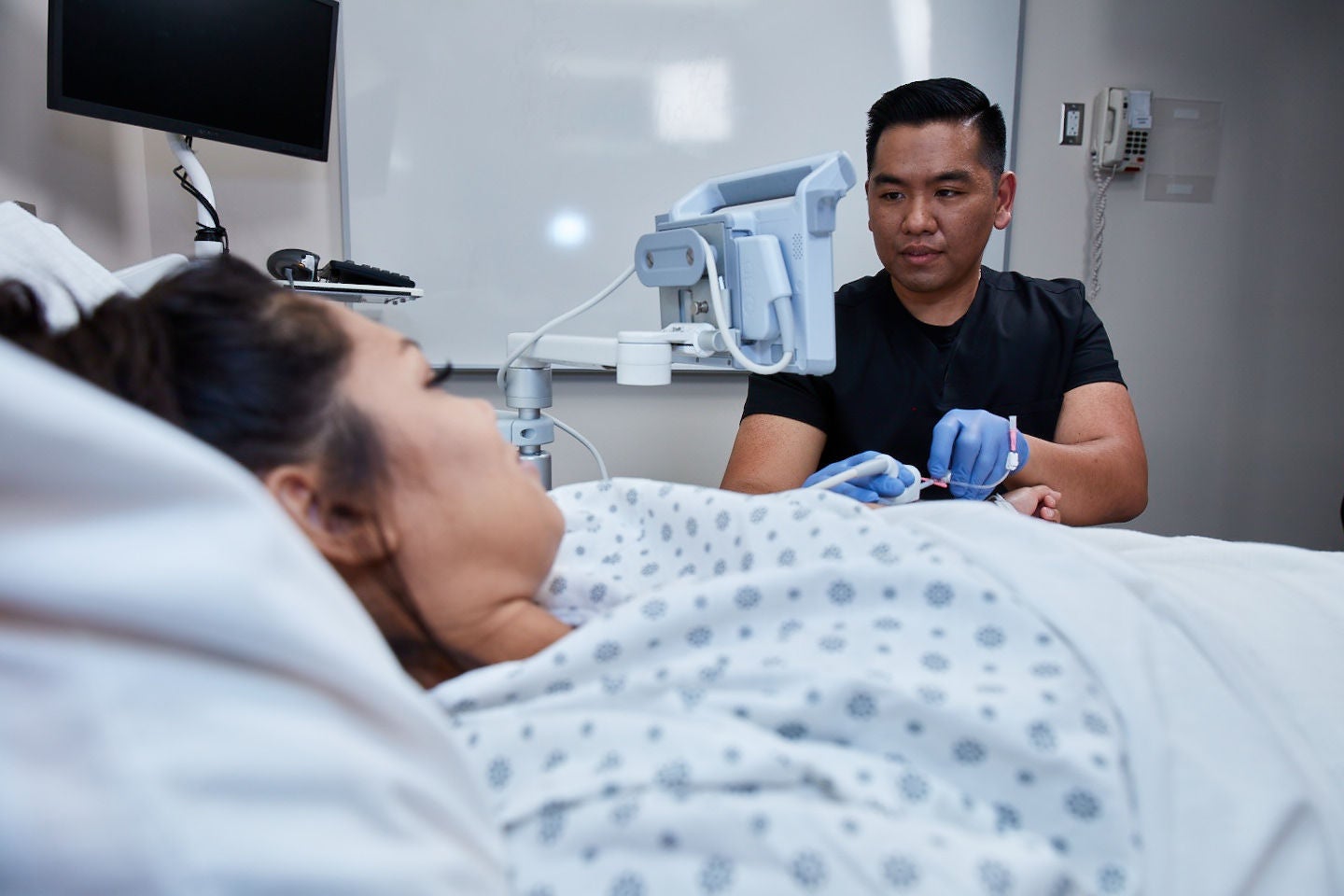
DIVA presents a substantial national economic burden and is estimated to be around $2.68 billion*1

Vascular access-related costs
Vascular access restarts can cost an average 200-bed hospital up to almost $1M annually, excluding the cost of treating IV-failure-related complications.2
- Increasing the rate of IVs that achieve end-of-therapy may result in $3,378 annual savings per bed.3
- Poor sample quality can result in redraws, unnecessary investigations, inappropriate treatment and increased length of stay, which can cost up to 1.2% of total operating expenses.4-6
- Multiple needlesticks may lead to venous depletion, compromising access for future care.7
- Time to cannulation averages 2.5-13.0 minutes for most patients but can take up to 30 minutes to hours in DIVA cases.10

Patient experience—and its impact on economics
Repeated needlesticks, re-sticks and potential consequences negatively impact the patient’s care experience and risk damaging a patient’s vessel health and lifeline for future care needs.8
Patient satisfaction can impact hospitals’ bottom lines. Profit margins are 62% lower for hospitals with low patient satisfaction scores compared to those with excellent scores.9
*Based on 144.8 million ED visits annually of which 22%, or 31.9 million patients with DIVA x $84.29 per patient for total of $2.68 billion.
- Gala S, Alsbrooks K, Bahl A, Wimmer M. The economic burden of difficult intravenous access in the emergency department from a United States’ provider perspective. J Res Nurs. 2024:29(1). doi:10.1177/17449871231213025.
- Helm RE, Klausner JD, Klemperer JD, Flint LM, Huang E. Accepted but unacceptable: peripheral IV catheter failure. J Infus Nurs. 2015;38(3):189-203. doi:10.1097/NAN.0000000000000100
- Steere L, Ficara C, David M, et al. Reaching one peripheral intravenous catheter (PIVC) per patient visit with lean multimodal strategy: the PIV5 Rights™ Bundle. J Assoc Vasc Access. 2019;24(3):31–43. doi: 10.2309/j.java.2019.003.004.
- Green SF. The cost of poor blood specimen quality and errors in preanalytical processes. Clin Biochem. 2013;46(13-14):1175-1179. doi:10.1016/j.clinbiochem.2013.06.001
- Rooper L, Carter J, Hargrove J, Hoffmann S, Riedel S. Targeting Rejection: Analysis of Specimen Acceptability and Rejection, and Framework for Identifying Interventions in a Single Tertiary Healthcare Facility. J Clin Lab Anal. 2017;31(3):e22060. doi:10.1002/jcla.22060
- Ong MS, Magrabi F, Coiera E. Delay in reviewing test results prolongs hospital length of stay: a retrospective cohort study. BMC Health Serv Res. 2018;18(1):369. Published 2018 May 16. doi:10.1186/s12913-018-3181-z
- Twibell KR, Hofstetter P, Siela D, Brown D, Jones HM. A comparative study of blood sampling from venipuncture and short peripheral catheters in pediatric inpatients. J Infus Nurs. 2019;42(5):239. doi:10.1097/NAN.0000000000000338
- Fiorini J, Venturini G, Conti F, et al. Vessel health and preservation: An integrative review. J Clin Nurs. 2019;28(7-8):1039-1049. doi:10.1111/jocn.14707
- Betts D, Balan-Cohen A, Shukla M, Kumar N. The value of patient experience. Deloitte. Published 2021. Accessed February 1, 2022 at https://www2.deloitte.com/content/dam/Deloitte/us/Documents/life-sciences-health-care/us-dchs-the-value-of-patient-experience.pdf
- Ng M, Mark L, Fatimah L. Management of difficult intravenous access: A qualitative review. World J Emerg Med, Vol 13, No 6, 2022; 467-478.
A programmatic approach to improving vascular access for patients with difficult intravascular access (DIVA).
Giving patients with DIVA the experience they deserve
Practice-advancing solutions like needle-free blood collection technology and ultrasound guided needlestick insertions may improve clinician efficiency, workflows and patient experiences. For patients with difficult intravascular access, achieving consistent outcomes often requires a coordinated approach that extends beyond individual devices.
-

Improved insertion success with ultrasound
By using ultrasound guidance technology, facilities may reduce the number of attempts and time required for successful vessel access, as well as increase overall peripheral venous access success to 85%–97%1.
-

Reduction in PIVC failure
A small observational study in an adult emergency department demonstrated significant reduction in PIVC failure when two-thirds of the PIVC length was within the vein, supporting the INS recommendation of vessel depth evaluation when choosing a long PIVC to ensure sufficient catheter lies within the vein.
-

Reduction in blood collection sticks
Patients require 1.6–2.2 blood draws per day, about 70% via venipuncture2,3. Repetitive needlesticks increase the risk of venous depletion, discomfort, and potentially compromising vascular health for future care needs4.
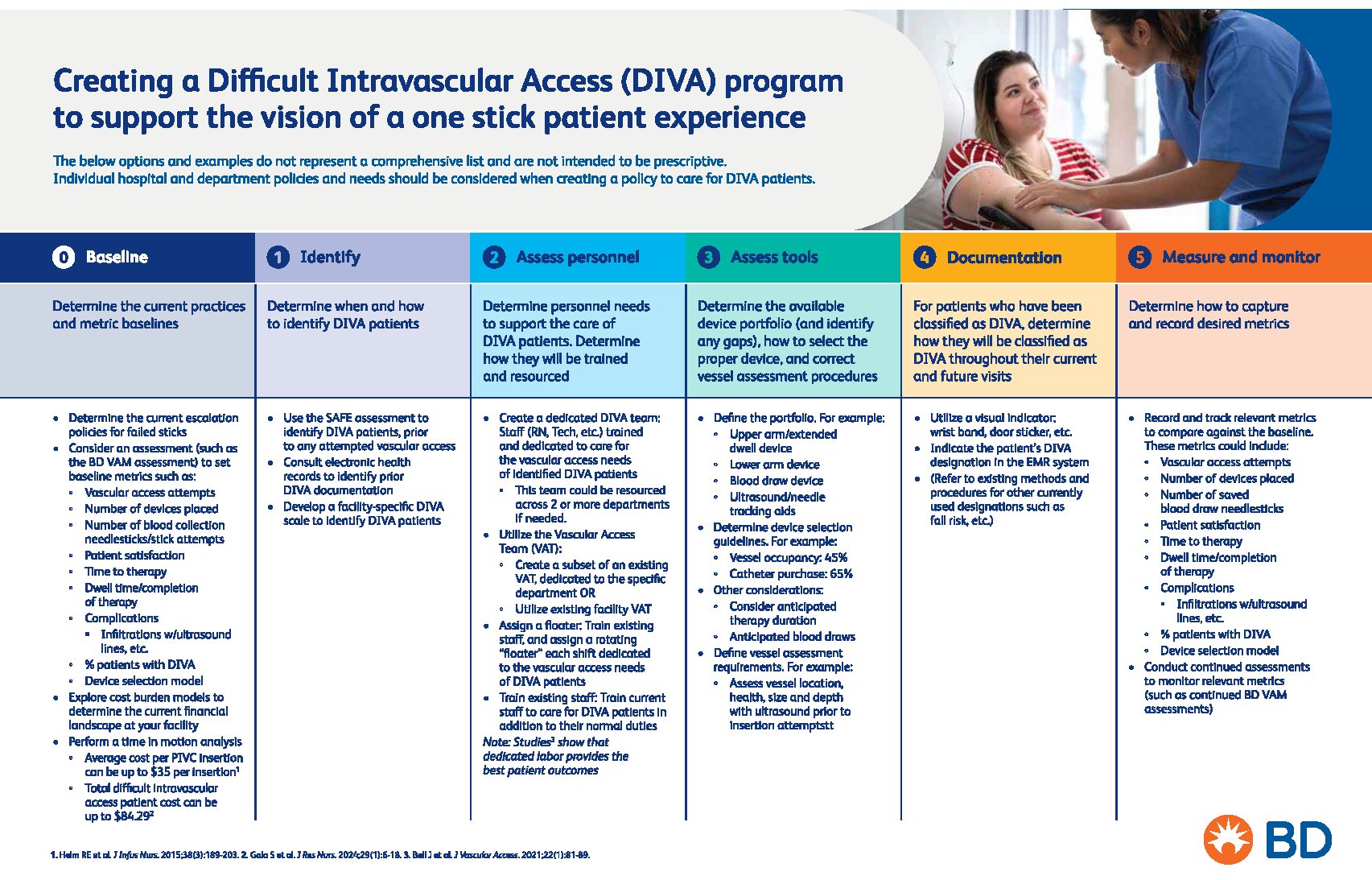
A Structured Approach to DIVA Care
The BD DIVA Solution supports hospitals with a scalable framework designed to help identify DIVA patients early, guide appropriate vascular access decisions, and support consistent care delivery, without being prescriptive.
Foundational elements of a DIVA program include:
- Establish baseline practices
- Identify DIVA patients early
- Align trained clinical resources
- Select appropriate tools and technologies
- Make DIVA status visible
- Measure and monitor outcomes
A vision for optimised access for DIVA patients
BD is developing the next generation of products to complement a structured approach to DIVA care—helping advance first‑attempt insertion success and reduce the need for IV restarts in patients with difficult intravascular access.
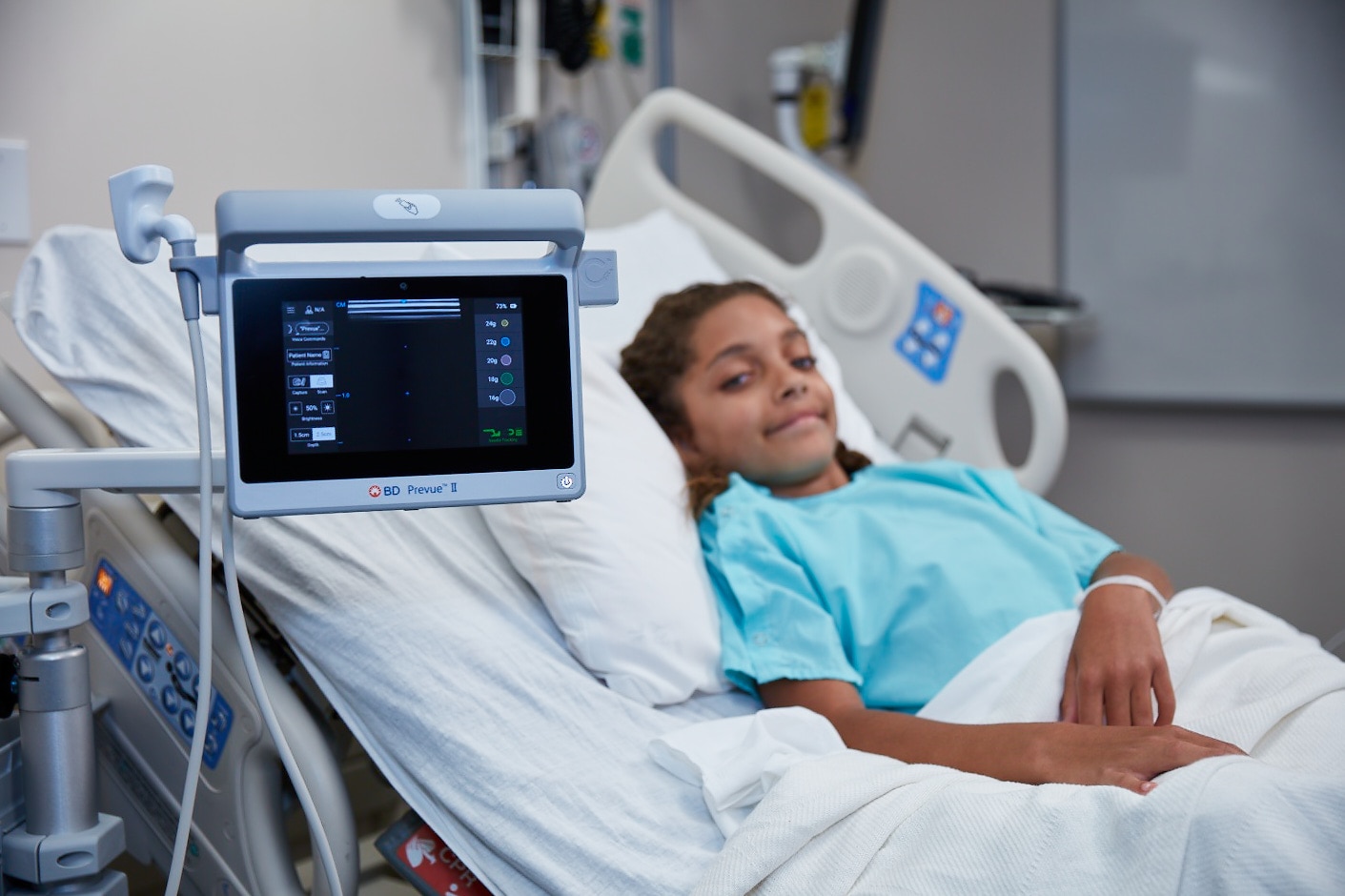
Prevue™ II System
A peripheral IV ultrasound guidance system to drive first-stick success for IV placements. May be used to support confident assessment and access in adult and pediatric patients, including those with difficult intravascular access (DIVA) who may have small, fragile, and/or non‑palpable vessels.
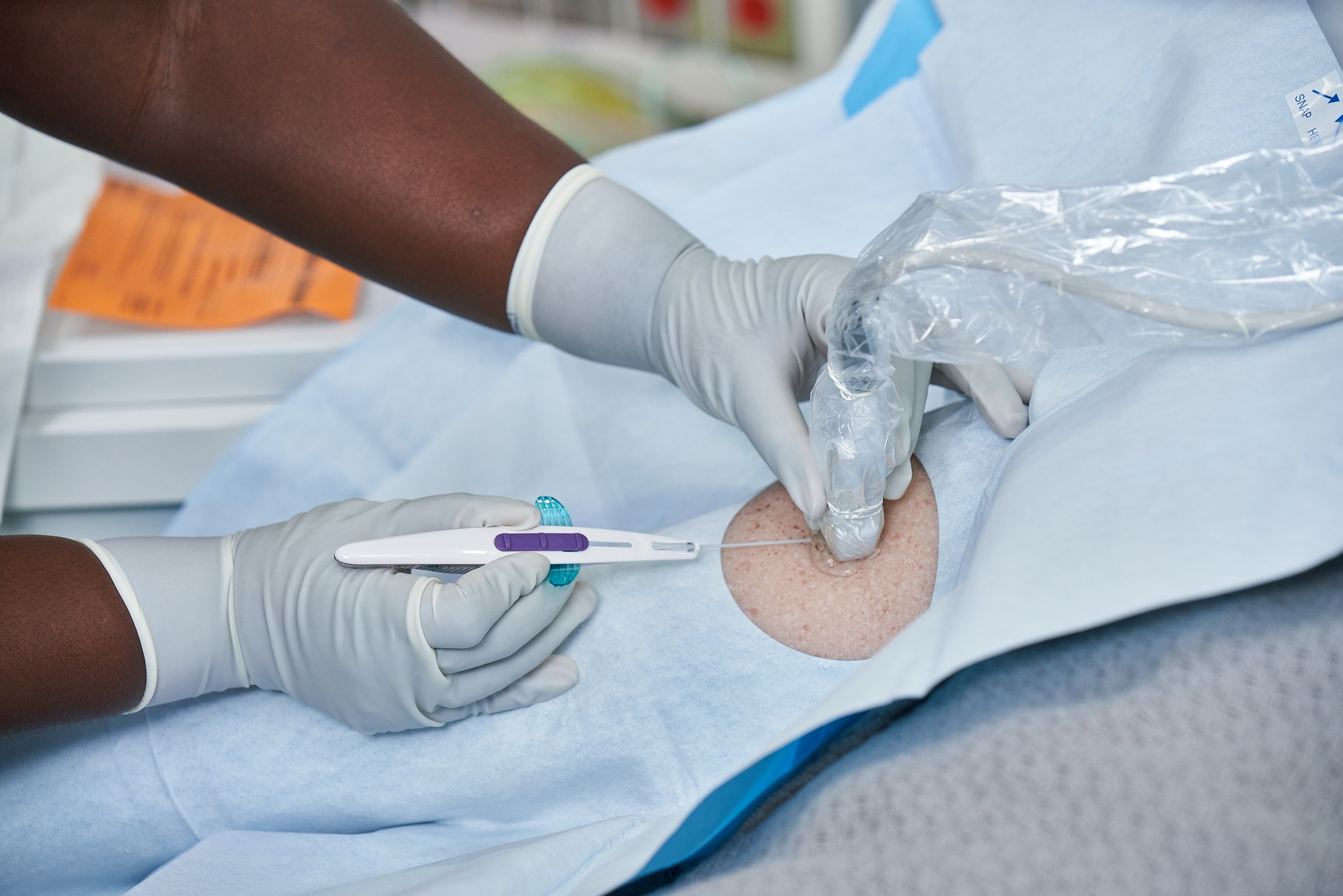
PowerGlide Pro™ Midline Catheter
Designed for patients with difficult intravenous access (DIVA), including those with small fragile, and/or non-palpable vessels, as clinically indicated.
The long catheter design allows access to deeper veins and incorporates a guidewire designed to assist with insertion success.
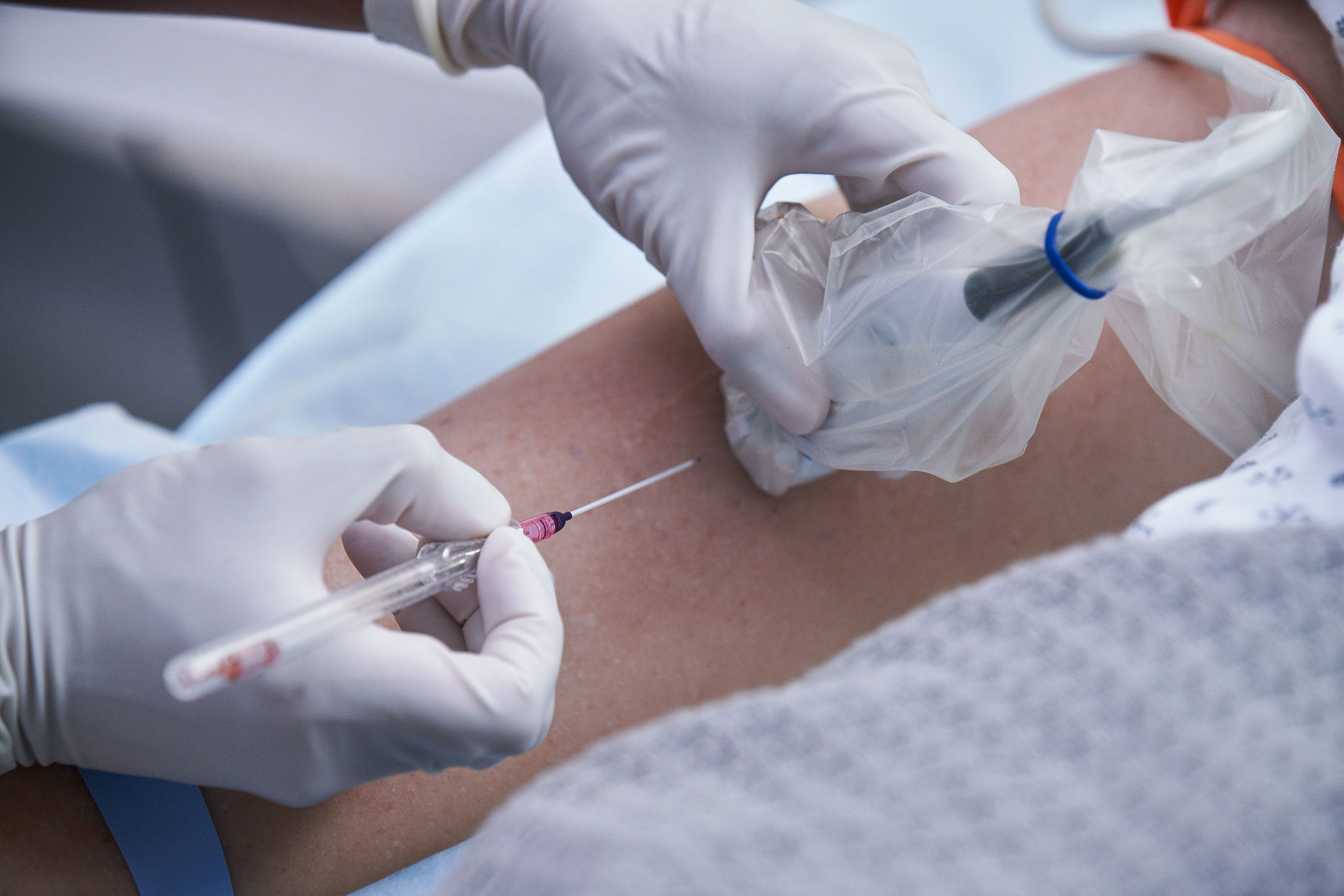
AccuCath Ace™ Intravascular Catheter
A peripheral catheter designed for patients with Difficult Intravenous Access (DIVA) that has been shown to help improve first-attempt success, reduce complication rates and dwell time, which may contribute to improved patient satisfaction and lower overall healthcare costs.
PIVO™ Pro Needle-free Blood Collection Device
A vascular access solution DIVA patients deserve – using existing IV access for high-quality reliable blood collection.
- Baronowsky A. Ultrasound-guided peripheral IV Insertion: Evidence-based medicine guideline. May 27, 2020. Accessed March 13, 2024. https://www.surgicalcriticalcare.net/Guidelines/Ultrasound%20Guided%20Peripheral%20IV%20Insertion%202020.pdf
- Psaila J, Parsons TF, Hahn SA, Fichera L. Prospective Study Evaluating Whether Standard Peripheral Intravenous Catheters Can Be Used for Blood Collection Throughout Hospital Stay. J Infus Nurs. 2023.
- Pendleton B, LaFaye R. Multicenter study of needle-free blood collection system for reducing specimen error and intravenous catheter replacement. J Healthc Qual. 2022;44(2):e24-e30. doi:10.1097/JHQ.0000000000000331.
- Helm RE, Klausner JD, Klemperer JD, Flint LM, Huang E. Accepted but unacceptable: peripheral IV catheter failure. J Infus Nurs. 2015;38(3):189–203
- Idemoto BK, Rowbottom JR, Reyolds JD, Hickman Jr RL. The AccuCath intravenous catheter system with retractable coiled tip guidewire and conventional peripheral intravenous catheters: a prospective, randomized, controlled comparison. JAVA. 2014;19(2):94-102.
true
