

true

- Overview
- Comprehensive Portfolio
- Products & Accessories
- EIFU & Resources
Custom-fit.
Reliable securement.
By design.

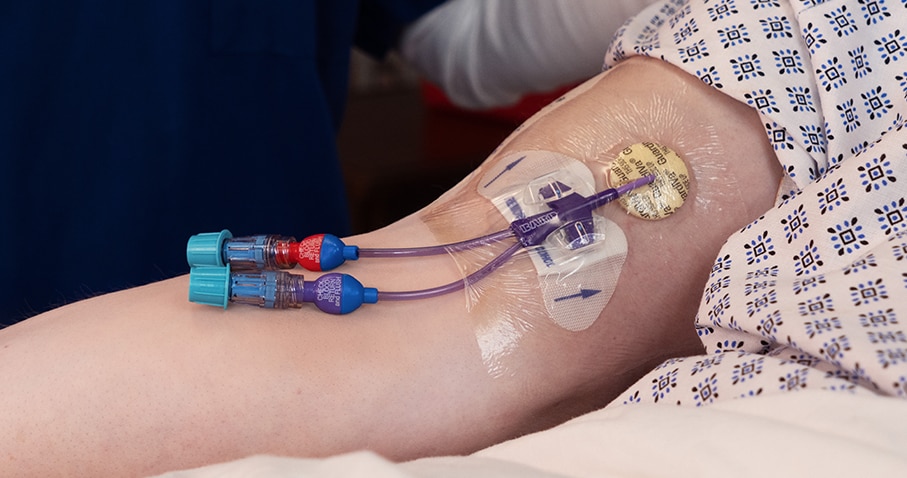
Securing vascular access devices is a critical part of safe, effective vascular access care.
Yet, up to 48% of tape-secured IV catheters result in complications like phlebitis and infiltration, leading to costly and disruptive restarts.1
For decades, StatLock™ Stabilization Devices have set the standard for strong, reliable catheter securement. With a broad portfolio designed to meet the needs of almost any vascular access device, StatLock™ puts the right stabilization solution within reach—providing reliable securement, helping to reduce complications and promoting best practice catheter care.

Reduced complication rates
StatLock™ Devices for PIVCs have been shown to decrease rates of total IV complication and phlebitis.*,1

Decreased catheter restarts
demonstrated for both PICCs and arterial catheters.*,2

More resistant to dislodgement
when compared to catheters secured by 3M Tegaderm IV Advanced 1685, Sorbaview SHIELD Small or 3M PICC Securement Device.**

Custom-designed securement
for PIVCs, PICCs, CVCs, epidural catheters, arterial catheters, dialysis catheters and drainage catheters available in adult, pediatric, and neonatal sizes.

More user-friendly and lower pain scores
In a randomized controlled trial*, clinicians reported BD StatLock™ to be more user-friendly and lower pain scores during catheter insertion and removal when compared to SecurAcath™ for PICC Catheter securement.

Help prevent needlestick injuries
by helping to reduce sharps injuries to healthcare workers while securing central catheter lines.
*As compared to tape
**Benchtop testing may not be indicative of actual clinical outcomes
Comprehensive portfolio
of custom-fit stabilization
StatLock™ Stabilization Devices provide strong, reliable securement with the only products specifically designed for the unique needs of the catheters they secure—offering a precise fit and reliable securement by design.
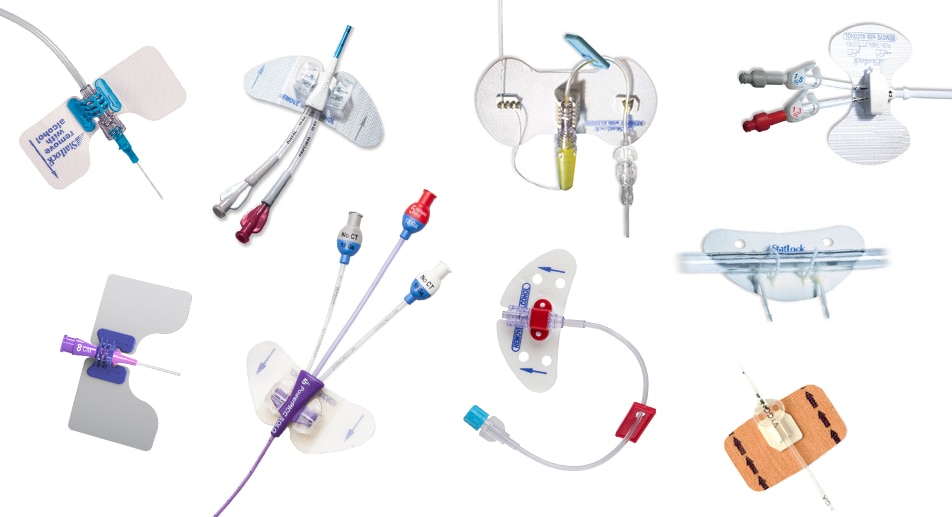
Photographic images are for promotional purposes only. They may not necessarily depict clinical accuracy.
Follow manufacturer’s instructions for use when using a medical device while adhering to your own institution’s policies and procedures.
- Schears GJ. Summary of product trials for 10, 64 patients: comparing an intravenous stabilizing device to tape. J Nurs. 2006;29(4):225-31.
- Stephenson C. The advantages of a precision-engineered securement device for fixation of arterial pressure-monitoring catheters. JAVA. 2005;10(3).
Custom solutions for every line, every time
The StatLock™ Stabilization Device portfolio has customized products for PIVCs, PICCs, midlines, CVCs and more—providing a precise fit and reliable securement tailored to the unique needs and usage of each catheter type.
BD® StatLock™ Peripheral Intravenous Catheter (PIVC) Stabilization Devices
Unnecessary PIVC restarts can cost a 200-bed hospital more than $980,000 annually.1 Preventing IV therapy complications and the resulting unplanned IV restarts have been shown to improve patient care, while decreasing nurse intervention time and related patient care costs.
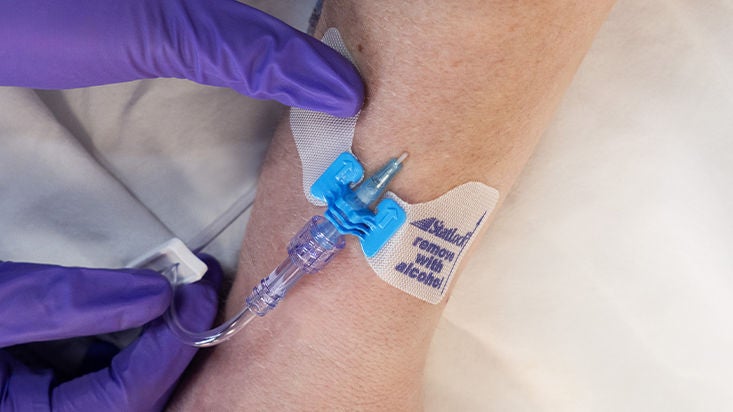
StatLock™ Stabilization Devices for PIVCs:
- Lowered the rate of total IV complications by approximately 67%*,2
- Decreased IV total complication rate from 48% to 16%*,2
- Decreased phlebitis rate by approximately 80%*,2
- Decreased rate of tape-related skin damage*,3
- Decreased pain scores during catheter insertion and removal, compared to SecurAcath™
- Are 32% more resistant to dislodgement when compared to a catheter secured with a 3M PICC Securement Device
*As compared to tape
BD® StatLock™ Peripherally Inserted Central Catheter (PICC) Stabilization Devices
Built on proven design and engineering, the StatLock™ PICC Stabilization Device portfolio includes multiple sizes and configurations that offer great versatility to meet your clinical needs.
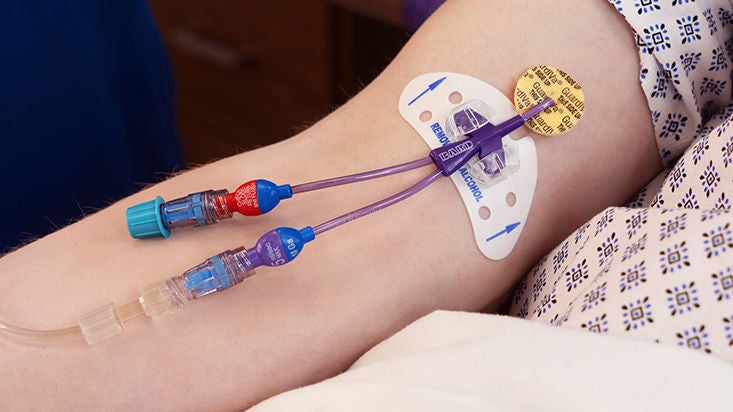
StatLock™ Stabilization Devices for PICCs and central line catheters:
- Are designed to improve patient comfort and safety by eliminating the need to secure catheters with sutures or tape.
- Designed to help reduce sharps injuries to healthcare workers when they are securing central catheter lines when compared to suture stabilization.4
- Have anchor pads available in breathable, nonabsorbent tricot polyester or closed cell foam.
- Are sterile and are made of components not made of natural rubber latex.
When a sterile securement device (Statlock™ Stabilization Device) has been used routinely, total PICC complications and restarts in a hospital have decreased by approximately 57%,5 compared to tape and steristrips.
In a randomized controlled trial*, clinicians reported StatLock™ Stabilization Devices to be more user-friendly during catheter insertion and removal when compared to SecurAcath™ for PICC Catheter securement.
In a prospective multi-center study, removal difficulties were seen in 25% of cases for PICC securement when SecurAcath™ was used.*
*N=4 out of 31 patients developing infection
BD® StatLock™ Peripheral Intravenous Catheter (Midline) Stabilization Devices
Preventing IV therapy complications and the resulting unplanned IV restarts may improve patient care, while decreasing nurse intervention time and related patient care costs.2
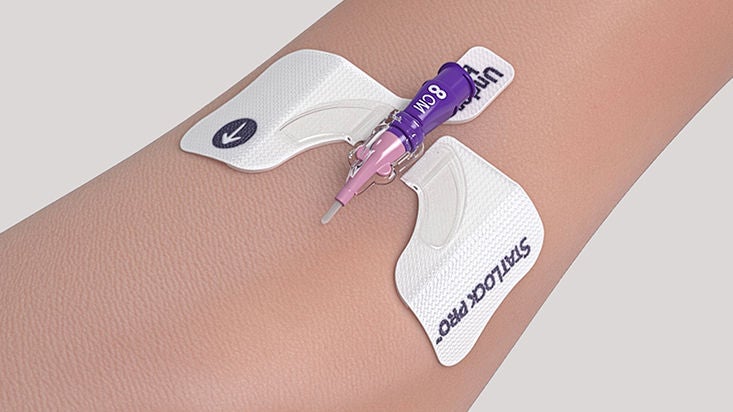
The StatLock™ Pro Catheter Stabilization Device
is designed to fit the BD® PowerGlide Pro™ Midline Catheter Hub.
BD® StatLock™ Central Venous Catheter (CVC) Stabilization Devices
Central venous access placement and maintenance and catheter failure due to complications may have a significant impact on hospital budgets due to the costs of: catheter replacement, treatment of complications including occlusion and thrombolytic use and additional length of stay.6,7
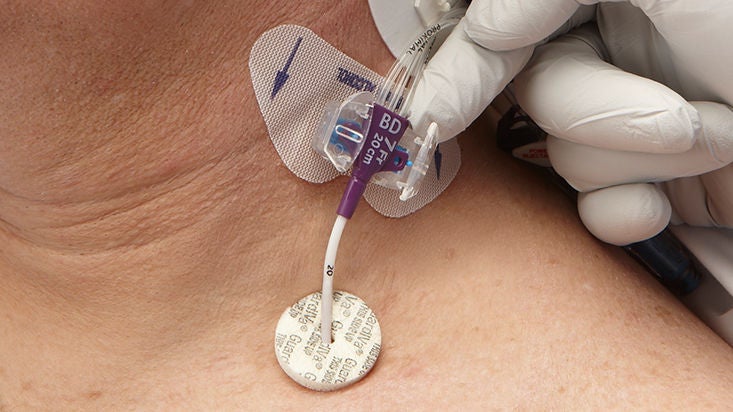
When compared to suture stabilization, StatLock™ Stabilization Devices may help reduce sharps injuries to healthcare workers when they are securing central catheter lines.4
The StatLock™ Portfolio of stabilization devices provides a wide range of options for your catheter stabilization needs. You will find the right device, at the right size, for the right application.
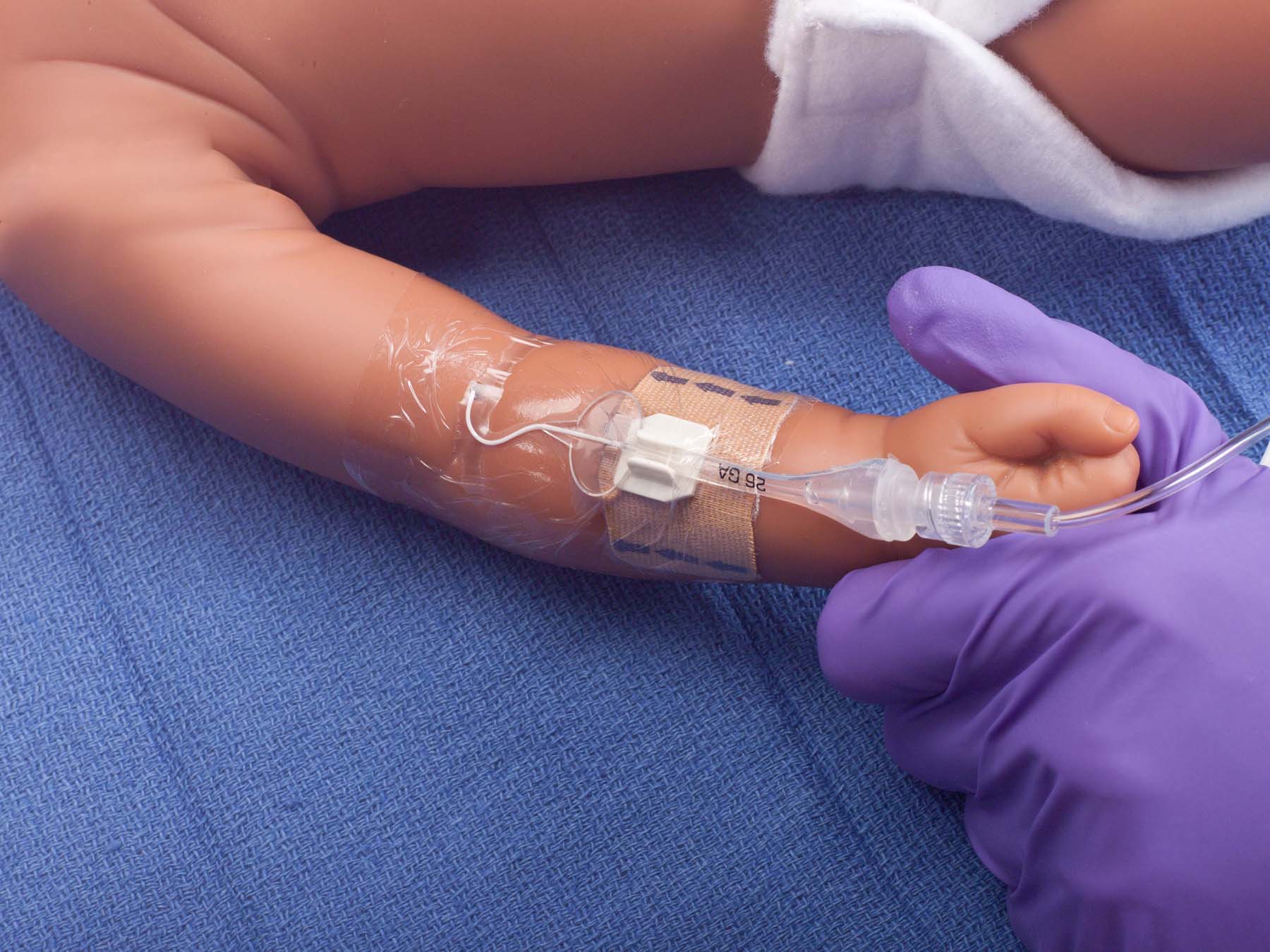
Neonate
BD® StatLock™ Neonatal Stabilization Devices are designed with a plastic-on-plastic connection.
Epidural
Epidural catheter migration, disconnection or dislodgement can interrupt analgesia, potentially leading to patient pain or discomfort.
BD provides a range of epidural stabilization devices tailored to help prevent these issues and designed to ensure continuous and effective anesthesia.
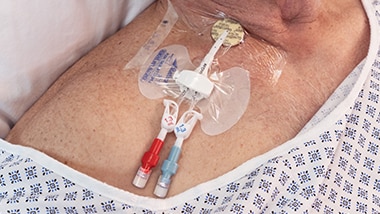
Dialysis
BD® StatLock™ Dialysis Stabilization Devices are sutureless stabilization devices offering an effective alternative compared to suture securement. They can reduce unscheduled arterial catheter restarts by 49%.9
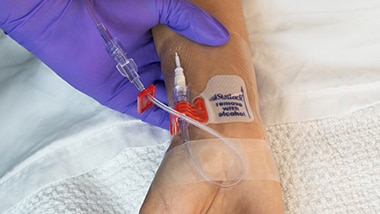
Arterial
BD® StatLock™ Arterial Catheter Stabilization Devices hold arterial lines in place for critical care patients.
Multipurpose: BD® StatLock™ Multipurpose Catheter Stabilization Devices feature nylon filaments used for needle-free stabilization.
Universal Plus: BD® StatLock™ Universal Plus Catheter Stabilization Devices are used for percutaneous drainage catheters. There are multiple configurations to stabilize a wide variety of catheter sizes.
Photographic images are for promotional purposes only. They may not necessarily depict clinical accuracy.
Follow manufacturer’s instructions for use when using a medical device while adhering to your own institution’s policies and procedures.
- Helm RE, Klausner JD, Klemperer JD, Flint LM, Huang E. Accepted but unacceptable: peripheral IV catheter failure. J Infus Nurs. 2019;42(3):151-164.
- Schears GJ. Summary of product trials for 10, 64 patients: comparing an intravenous stabilizing device to tape. J Nurs. 2006;29(4):225-31.
- Sheppard K., LeDesma M, Morris NL, O'Connor K. A prospective study of two intravenous catheter securement techniques in a skilled nursing facility. J Intravenous Nurs. 1999;22(3):151-6.
- Griswold S, Bonaroti A, Rieder CJ, et al. Investigation of a safety-engineered device to prevent needlestick injury: why has not StatLock stuck? BMJ Open. 2013;3(4):e002327. Published 2013 Apr. 24 doi:10.1136/bmjopen-2012-002327
- Wood D, Bowe-Geddes LA. A Comparative Retrospective Analysis of Two Securement Techniques for Peripherally Inserted Central Catheters (PICC) and Midline in the Homecare Setting. J Vasc Access Devices. 1997;2:11-16.
- Manns B, Tonelli M, Yilmaz et al. Establishment and maintenance of vascular access in incident hemodialysis patients: a prospective cost analysis. J Am Soc Nephrol. 2005;16 (1 ):201-9.
- Simon A, Fleischhack G, Wiszniewsky G, et al. Influence of prolonged use of intravenous administration sets in paediatric cancer patients on CVAD-related bloodstream infection rates and hospital resources. Infection. 2006;34 (5):258-6.
- Stephenson C. The Advantages of a Precision-Engineered Securement Device for Fixation of Arterial Pressure-Monitoring Catheters. JAVA. 2005;10(3).
Sort by:


Sort by:

Sort by:


Sort by:


Indications for Use: The StatLock™ device is a stabilization device for compatible catheters
Contraindications: Known tape or adhesive allergies
Warnings and Precautions:
- Do not use the StatLock™ device where loss of adherence could occur, such as with a confused patient, unattended access device, diaphoretic or nonadherent skin.
- Observe universal blood and body fluid precautions and infection control procedures, during the StatLock™ device application and removal.
- Minimize catheter manipulation during StatLock™ stabilization device application and removal.
StatLock™ devices should be monitored daily and replaced when clinically indicated, at least every 7 days. Catheter insertion site should be treated per established hospital policy and procedure.
Please consult product inserts and labels for any indications, contraindications, hazards, warnings, cautions and directions for use.
BD, the BD logo, and StatLock are trademarks of Becton, Dickinson, and Company or its affiliates. All other trademarks are property of their respective owners. © BD 2025. All rights reserved.

true

Literature
Our collection of literature on industries and on our offerings gives you information you can use to continue striving for excellence.
Learn more

Events
We support the healthcare industry with market-leading products and services that aim to improve care while lowering costs. We host and take part in events that excel in advancing the world of health™.
Learn more

Training
The BD Learning Academy offers a centralized repository of BD product training, education, and the ability to connect courses to your LMS.
Learn More

Case Studies
We promote clinical excellence by providing various resources on best practices, clinical innovations and industry trends in healthcare.
Learn more
true
Specifications subject to change without notice.
For the latest information, always check the “Instructions for Use” that comes packaged with the product. If you are a consumer seeking more information, please consult your healthcare provider.
BD, the BD logo, and StatLock are trademarks of Becton, Dickinson, and Company or its affiliates. All other trademarks are property of their respective owners. © BD 2025. All rights reserved.
true